|
Scientists Identify Two New Lichen Moths Caulocera hollowayi and Asura buxa in Eastern Himalayas
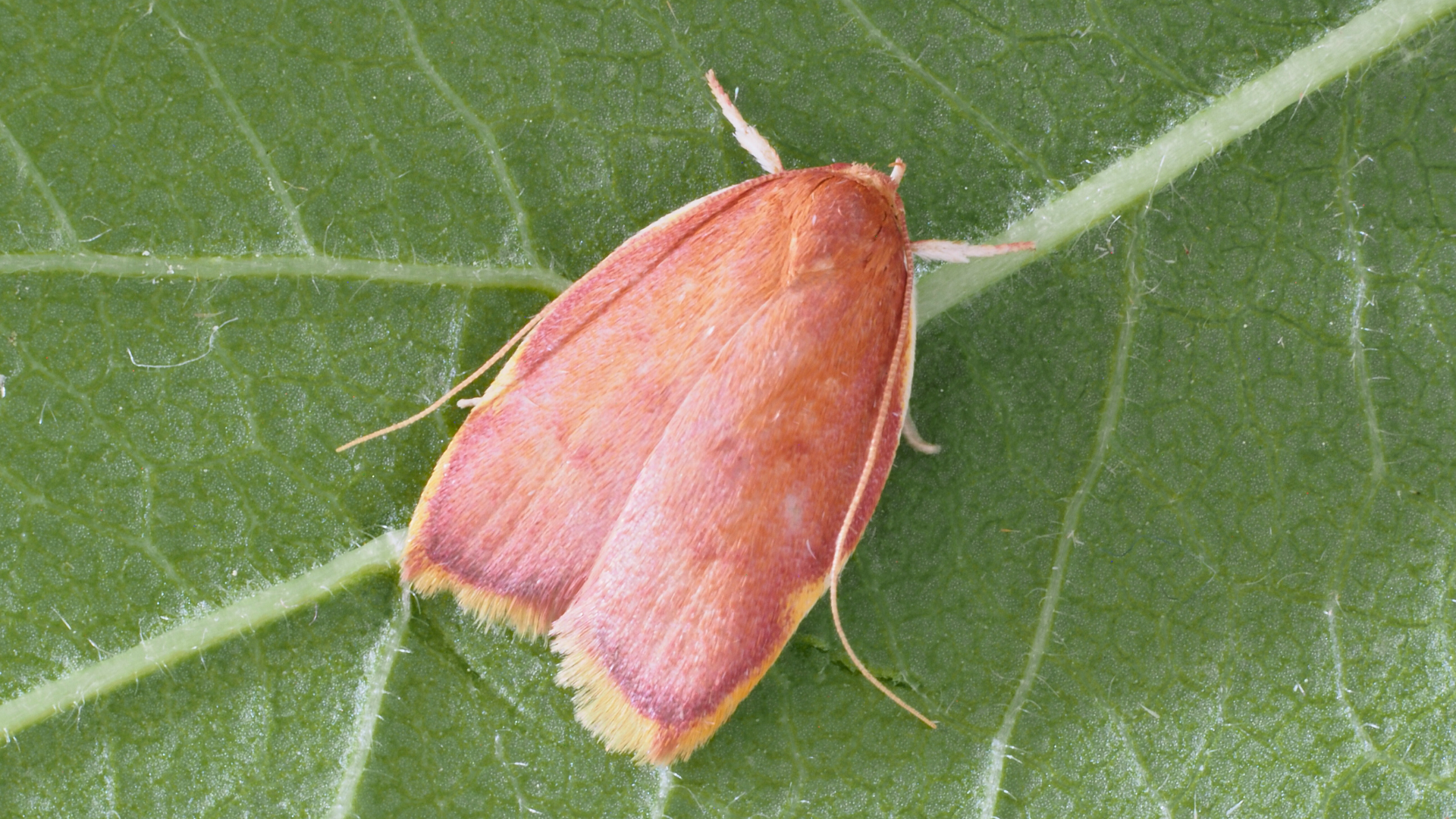
Scientists recently discovered two new lichen moth species in the Eastern Himalayas—Caulocera hollowayi and Asura buxa. The discovery adds to India’s biodiversity records within the insect order Lepidoptera.
New Lichen Moth Species Discovery:
| Dimension | Key Details |
|---|---|
| Insect Order | Lepidoptera, the second-largest order of insects comprising butterflies and moths. |
| New Species Discovered | Caulocera hollowayi and Asura buxa. |
| Discovery Location | Eastern Himalayas, particularly Sikkim and North Bengal. |
| Caulocera hollowayi | Discovered near Golitar in Sikkim. |
| Naming of Caulocera hollowayi | Named in honour of Dr. Jeremy D. Holloway, a noted lepidopterist. |
| Identification Features | Recognized by distinct wing colour patterns and microscopic reproductive structures. |
| Asura buxa | Discovered in Panijhora in West Bengal. |
| Naming of Asura buxa | Named after the Buxa Tiger Reserve region where it was discovered. |
| Identification Features | Identified by characteristic wing bands and chaetotaxy, the arrangement of tiny body scales or bristles. |
| Dietary Niche | Caterpillars of lichen moths feed mainly on lichens. |
| Ecological Indicator | Lichen moths serve as bio-indicators because lichens are highly sensitive to air pollution. |
| Environmental Significance | Their population reflects air quality and the ecological health of fragile mountain ecosystems. |
| Ecosystem Role | Contribute to nutrient cycling and serve as prey for other organisms in mountain ecosystems. |
| Additional Taxonomic Record | Seven other lichen moth species were recorded for the first time in India during the study. |
| Biodiversity Importance | The Eastern Himalayas remain a key biodiversity hotspot for discovering lesser-known insect species. |