|
POCSO Act Misuse in Consensual Adolescent Relationships Flagged by Supreme Court
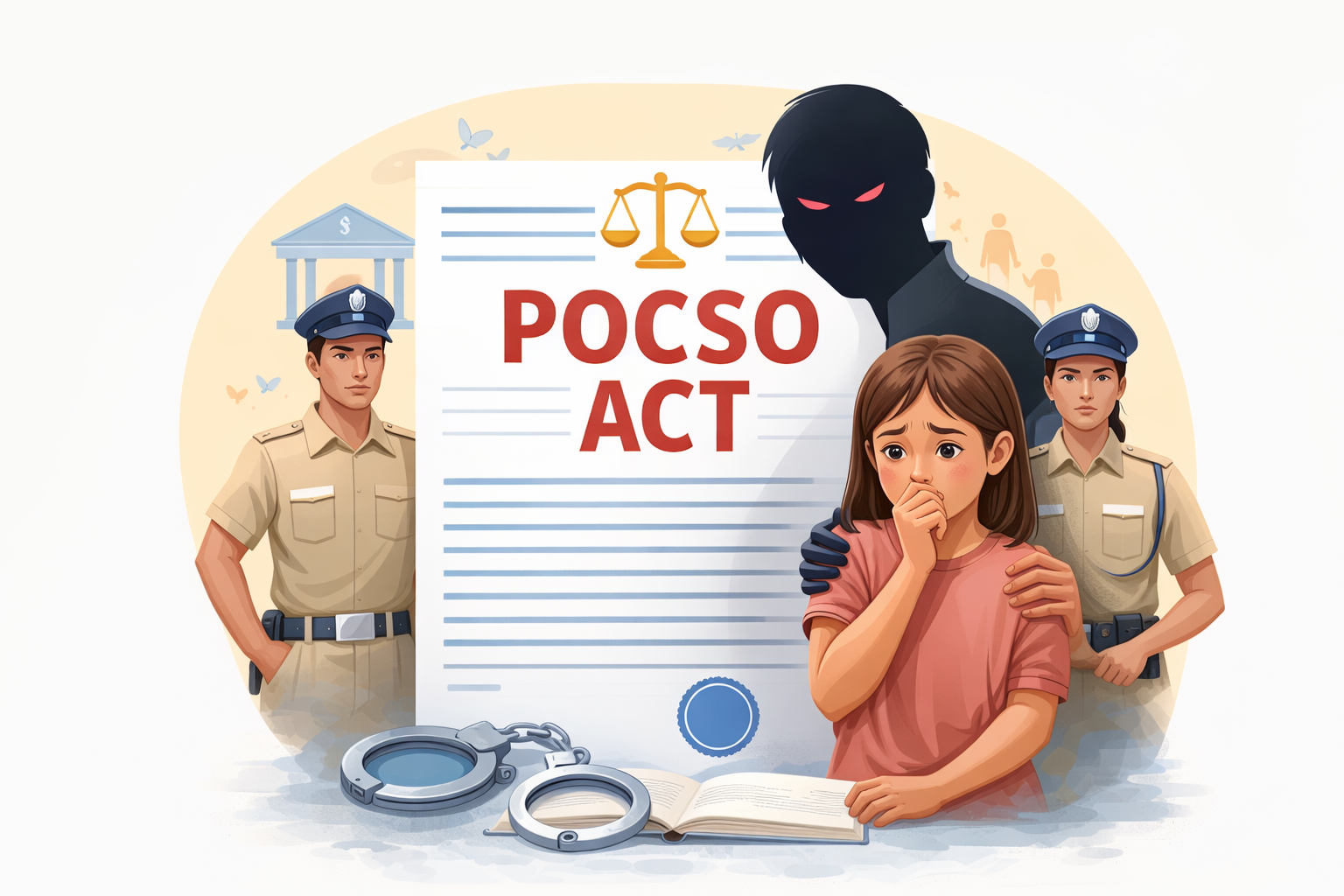
The Supreme Court flags misuse of the Protection of Children from Sexual Offences (POCSO) Act in consensual adolescent relationships, including misrepresentation of the victim’s age and family-led criminalisation of such relationships. It urges the Centre to consider a “Romeo–Juliet clause” to exempt genuine consensual adolescent relationships with minimal age difference from harsh application of POCSO and to prevent wrongful imprisonment.
Protection of Children from Sexual Offences (POCSO) Act:
| Dimension | Key Details |
|---|---|
| Purpose | Provides for protection of children (below 18 years) from sexual assault, sexual harassment, and pornography. |
| Definition of child | Defines a child as any person below 18 years. |
| Gender applicability | Applies irrespective of the gender of the child or offender (gender-neutral). |
| Categorisation of offences | Classifies sexual offences against children into penetrative and non-penetrative assault, and aggravated forms; prescribes stringent punishments ranging from imprisonment to life sentence. |
| Special Courts | Provides for speedy, in-camera trials within a year; safeguards children from exposure to the accused or hostile questioning; mandates compensation and rehabilitation for child victims. |
| Romeo–Juliet clause | Authorises consideration of an exemption for genuine consensual adolescent relationships where age difference between parties is minimal, to avoid harsh application of POCSO. |
| Risk flagged by Court | Ignoring the consensual nature of a relationship can lead to wrongful imprisonment. |