|
Passive vs Active Euthanasia in India
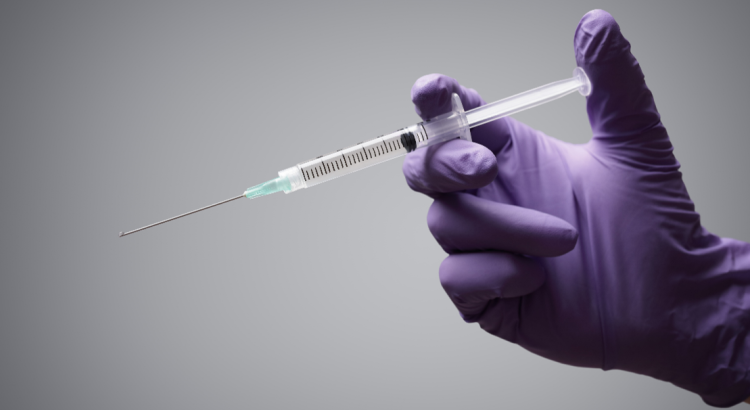
The Supreme Court of India recently permitted passive euthanasia for a patient in a persistent vegetative state, reaffirming that the Right to Die with Dignity is part of the fundamental right to life under Article 21 of the Constitution.
Euthanasia in India :
| Dimension | Key Details |
|---|---|
| Meaning | Euthanasia refers to the intentional practice of ending a person's life to relieve severe and incurable pain and suffering. |
| Types | Euthanasia is broadly classified into Passive Euthanasia and Active Euthanasia. |
| Passive Euthanasia | Withdrawal or withholding of life-sustaining medical treatment such as ventilators, feeding tubes, dialysis, chemotherapy, or CPR, allowing natural death. |
| Legal Status in India | Passive euthanasia is legally permitted under strict guidelines laid down by the Supreme Court. |
| Active Euthanasia | Administration of lethal substances to intentionally end a patient’s life. |
| Legal Status of Active Euthanasia | Active euthanasia remains illegal in India and is treated as a criminal act. |
| Constitutional Basis | The Supreme Court recognized the "Right to Die with Dignity" as part of the Right to Life under Article 21. |
| Aruna Shanbaug Case | In 2011, the Supreme Court permitted passive euthanasia for the first time and laid down procedural safeguards. |
| Common Cause Judgment (2018) | Recognized Advance Medical Directives (Living Wills) and reaffirmed the right to die with dignity. |
| Common Cause Modification (2023) | Simplified procedures for executing living wills and passive euthanasia. |
| Recent Supreme Court Order (Harish Rana Case) | In 2026, the Court allowed passive euthanasia for a patient in a persistent vegetative state for 13 years. |
| Medical Assessment | The treating physician evaluates whether the patient has any possibility of recovery or meaningful quality of life. |
| Primary Medical Board | Consists of the treating doctor and two subject experts with at least five years of experience. |
| Family Consultation | Doctors discuss prognosis and treatment options with the patient’s family to reach a shared decision. |
| Secondary Medical Board | Includes a doctor nominated by the district Chief Medical Officer and two experts to review the request. |
| Decision Timeline | The secondary board must decide within 48 hours. |
| Magistrate Intimation | Hospitals must inform the jurisdictional magistrate before withdrawing treatment, though approval is not required. |