|
Essential Commodities Act, 1955
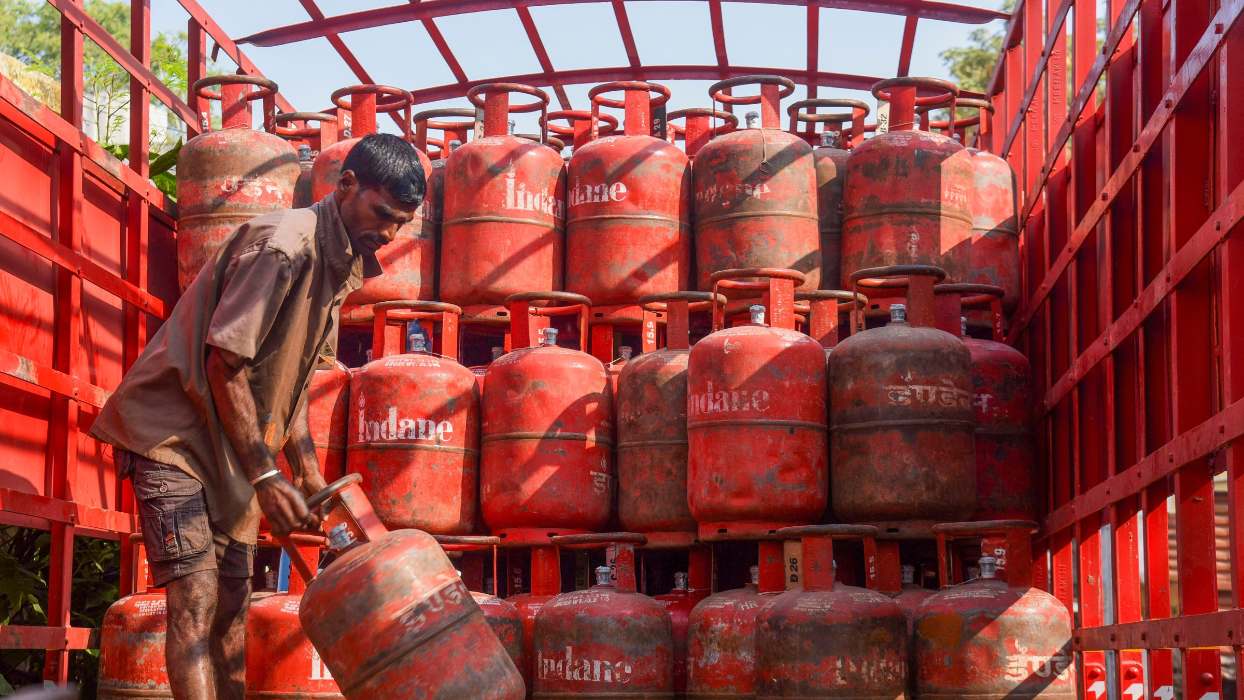
Amid concerns over oil supply disruptions following the Israel–U.S. strikes on Iran, the Government of India invoked the Essential Commodities Act, 1955 to regulate supply and prevent hoarding or black marketing of critical goods.
Essential Commodities Act, 1955:
| Dimension | Key Details |
|---|---|
| Purpose | Enables the government to regulate production, supply, distribution and trade of essential commodities to ensure availability at fair prices. |
| Objective | Prevents hoarding, black marketing and artificial shortages of critical commodities in the public interest. |
| Regulatory Powers | Allows the government to impose stock limits, control movement, and regulate pricing and distribution of notified commodities. |
| Essential Commodities | Includes drugs, fertilizers, foodstuffs including edible oils, hank yarn, petroleum and petroleum products, raw jute and jute textiles, and various types of seeds. |
| Food Commodities | Food items include cereals, pulses, onions, potatoes and edible oils. |
| 2020 Amendment | Limited government powers to regulate agricultural commodities such as cereals, pulses, onions, potatoes and edible oils. |
| Conditions for Regulation | Regulation of agricultural commodities permitted only under extraordinary circumstances. |
| Extraordinary Situations | War, famine, natural calamities or extraordinary price rise. |