|
Odisha’s Saltwater Crocodile Count Rises in 2026 Census at Bhitarkanika National Park
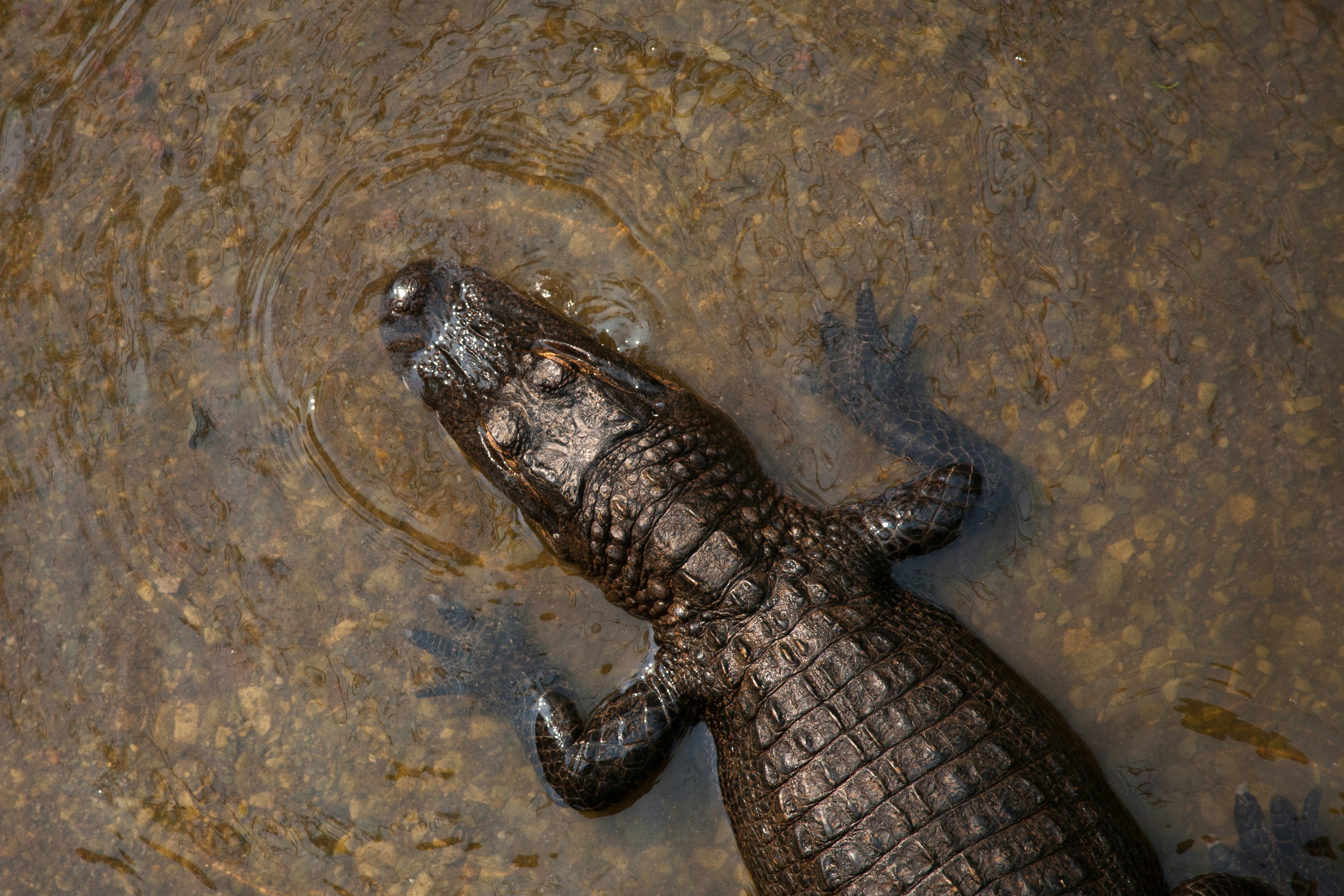
Odisha’s saltwater crocodile population increases as per the 2026 annual census conducted in and around Bhitarkanika National Park. The latest official population count linked to Bhitarkanika National Park and its surrounding areas.
Saltwater (Estuarine) Crocodile (Crocodylus porosus) :
| Dimension | Key Details |
|---|---|
| Common name | Saltwater (Estuarine) Crocodile |
| Scientific name | Crocodylus porosus |
| Size distinction | The largest of all crocodilians and the largest reptile in the world. |
| Habitat | Shows a high tolerance for salinity; found mostly in coastal waters or around rivers; may also be found in freshwater rivers and swamps. |
| Distribution | The largest population is found in Odisha, particularly in Bhitarkanika National Park and Wildlife Sanctuary, and the species is also present in mangrove forests and coastal regions of the Andaman and Nicobar Islands. |
| Major concentration | Major concentration in Kanika Wildlife Range, followed by Rajnagar, Mahakalpada (Mahanadi delta), and Gahirmatha ranges. |
| Physical characteristics | Adults exceeding 8 feet; crocodiles measuring more than 6 feet were categorized as sub-adults and adults. |
| Diet | Carnivorous feeding on fish and other aquatic and terrestrial animals. |
| Legal status | Wildlife Protection Act, 1972 provides for Schedule I status. |
| IUCN status | IUCN Red List provides for Least Concern status. |
| Threats | Illegal hunting for meat and eggs and for commercially valuable skin; habitat loss and habitat alterations; negative attitude towards the species makes conservation measures difficult to implement. |
| Important day | World Crocodile Day is celebrated on June 17. |
| Government initiative (India) | Crocodile Conservation Project on April 1, 1975, to save all 3 of India’s native species of crocodilians: gharial (gavialis gangeticus), saltwater crocodile (crocodylus porosus), mugger (crocodylus palustris). |