|
Odisha’s Bhitarkanika National Park Records Marginal Rise in Migratory Bird Count
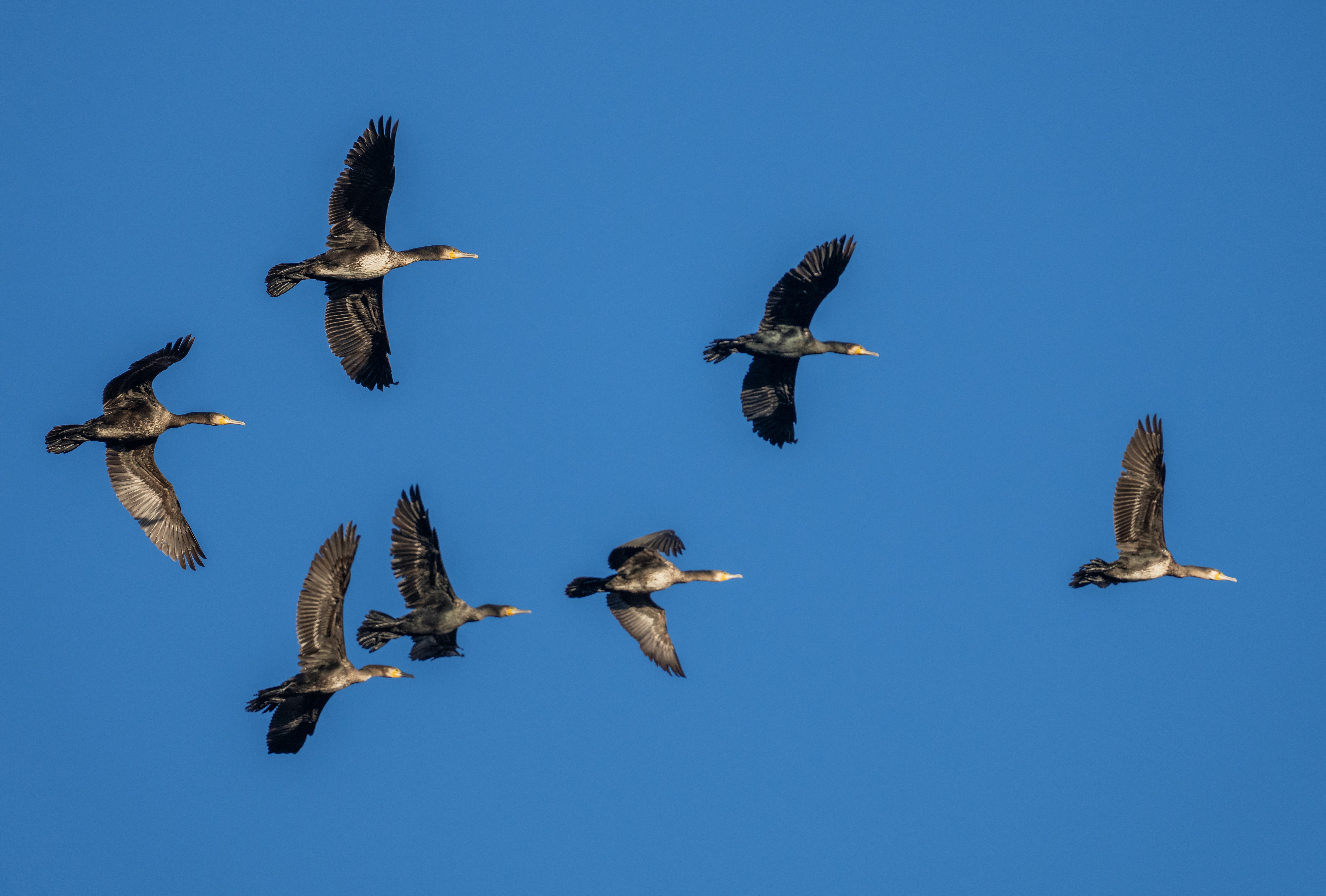
Bhitarkanika National Park records a marginal rise in migratory bird numbers compared to the previous year, as per the latest census report. The forest department releases the census report recently, keeping Bhitarkanika National Park in news.
Bhitarkanika National Park (Odisha):
| Dimension | Key Details |
|---|---|
| Location | Located in Kendrapara district, Odisha. |
| Area | Spread across 672 sq. km. |
| Physiography | Mangrove swamp situated on the delta formed by the rivers Brahmani, Baitarani, and Dhamra. |
| Key landforms within the park | Creeks, backwaters, estuaries, deltas, and mudhuts. |
| Surrounding protected areas | Bhitarkanika Wildlife Sanctuary; Gahirmatha Beach and Marine Sanctuary lie to the east. |
| Coastal setting | Gahirmatha Beach and Marine Sanctuary separate a mangrove-canopy swamp region from the Bay of Bengal. |
| Mangrove ecosystem status | India’s 2nd largest mangrove ecosystem after the Sunderbans. |
| Soil characteristic | Proximity to the Bay of Bengal makes the soil enriched with salt. |
| Vegetation type | Vegetation and species are mainly found in tropical and subtropical intertidal regions. |
| Wetland designation | Designated as a Ramsar site. |
| Flora | Includes mangrove species, casuarinas, and grasses like the indigo bush. |
| Fauna | Home to the largest congregation of endangered saltwater crocodile in the country; Gahirmatha Beach is the largest colony of the Olive Ridley Sea Turtles. |
| Fauna | Includes hyenas, wild boar, Chitals, Sambar, Spotted Deer, Jungle cat, and Wild Pigs. |
| Migratory birds | Migratory birds make it their home during the winter season. |
| Bird diversity | Home to eight varieties of Kingfisher birds. |