|
New Earthworm Species Drawida Incomparabilis Discovered
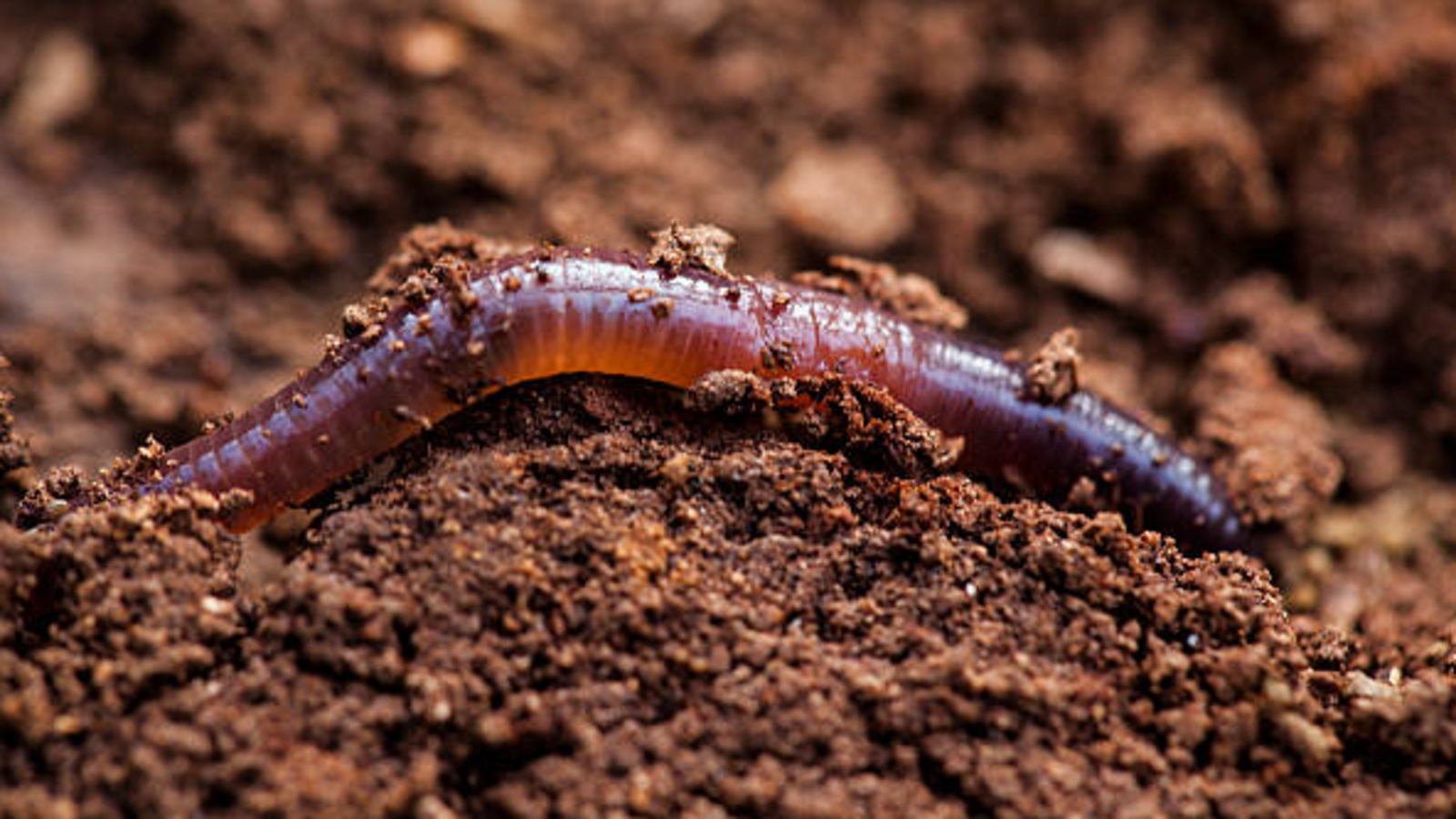
Researchers announce the discovery of a new earthworm species, Drawida Incomparabilis. The species is found deep within evergreen and deciduous forests of the Western Ghats across the southern states of Keralam and Tamil Nadu.
Drawida Incomparabilis:
| Dimension | Key Details |
|---|---|
| Size | It measures between 217 and 392 millimetres in length. |
| Distinctive features | It possesses distinctive glandular prostates and an unusually posterior location for its gizzards. |
| Taxonomic family | The species belongs to the family Moniligastridae. |
| Moniligastridae: composition | Moniligastridae comprises a diverse group of terrestrial megadrile earthworms that contains 194 valid species distributed across 5 genera. |
| Moniligastridae: genus-level fact | Within Moniligastridae, the genus Drawida is the most species-rich. |
| Genus Drawida: ecosystem note | The genus Drawida is a prominent component of Asian subterranean ecosystems. |
| Earthworms: habitat condition | Earthworms occur in virtually all soils of the world in which moisture and organic content are sufficient to sustain them. |
| Earthworms: body plan | The earthworm body is divided into ringlike segments. |
| Earthworms: internal organ pattern | Some internal organs, including the excretory organs, are duplicated in each segment. |
| Earthworms: respiration | Earthworms do not have lungs and breathe through their skin. |
| Earthworms: sensory organs | They lack eyes and use specialized receptor cells in their skin to detect light, touch, vibrations, and chemicals. |
| Earthworms: circulatory feature | Earthworms have 5 “hearts” that pump blood through their bodies. |
| Earthworms: diet | Their food consists of decaying plants and other organisms. |