|
MoHFW Unveils Maternal and Child Health Initiatives
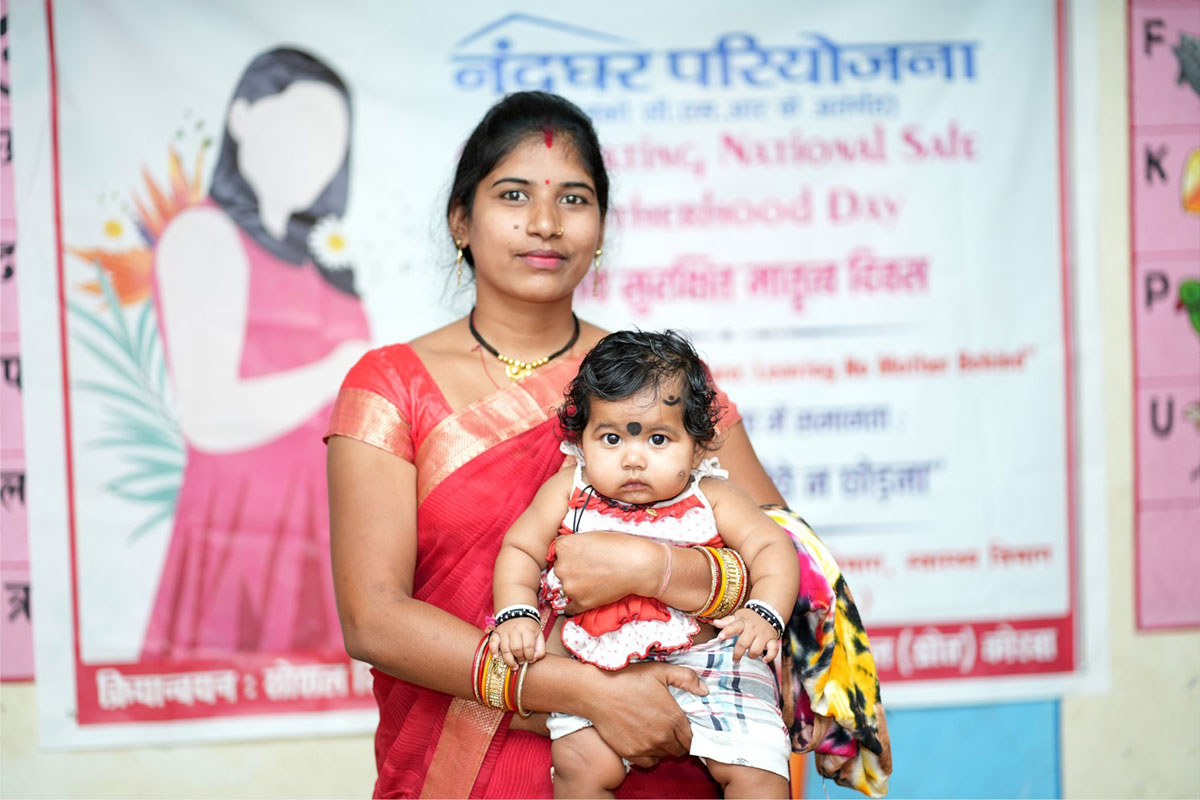
The Health Minister unveils major initiatives to strengthen maternal and child healthcare at the 16th Conference of the Central Council of Health and Family Welfare. The initiatives are relevant now because they cover anaemia control, ambulance services, maternal and newborn healthcare, and child health interventions.
Maternal and Child Healthcare Initiatives:
| Dimension | Key Details |
|---|---|
| Revised Anaemia Mukt Bharat Abhiyaan | The revised Anaemia Mukt Bharat Abhiyaan provides for saturation-based screening, digital tracking, case-based management, dietary diversification, and behaviour change. |
| Saturation-Based Screening | Saturation-based screening provides for universal coverage of children, adolescents, women of reproductive age, pregnant women, and lactating mothers. |
| Digital Tracking | Digital tracking provides for beneficiary tracking on digital platforms to ensure follow-up and reduce drop-outs. |
| Case-Based Management | Case-based management provides for individual treatment plans tailored to the severity and type of anaemia. |
| Dietary Diversification and Behaviour Change | Dietary diversification and behaviour change provide for nutrition counselling, diverse diets, and lifestyle changes for long-term impact. |
| Anaemia Mukt Bharat | Anaemia Mukt Bharat is a flagship campaign launched by the Ministry of Health and Family Welfare and the National Health Mission in 2018. |
| Anaemia Mukt Bharat Objective | Anaemia Mukt Bharat provides for reducing the prevalence and eradicating anaemia among children, adolescents, and women. |
| National Ambulance Services Guidelines | The Operational Guidelines on National Ambulance Services, 2026, establish uniform national standards for emergency medical transport. |
| Ambulance Service Standards | The guidelines standardise ambulance infrastructure, staffing, equipment, response protocols, and digital integration across States and Union Territories. |
| SUMAN Roadmap 2030 | SUMAN Roadmap 2030 is a strategic framework for maternal and newborn healthcare in India and is linked to Sustainable Development Goal targets for 2030. |
| SUMAN Roadmap Objective | SUMAN Roadmap 2030 provides for strengthening service quality, universal antenatal care, maternity care, and reduction of preventable maternal and neonatal deaths. |
| Samagra Shishu Bal Swasthya Karyakram | Samagra Shishu Bal Swasthya Karyakram provides for integrated home and community-based healthcare for children aged 0–3 years. |
| Integrated Child Care | Samagra Shishu Bal Swasthya Karyakram merges Home-Based Newborn Care and Home-Based Care for Young Child programmes. |
| Risk-Based Follow-Up | Risk-based follow-up provides for extra home visits for vulnerable children. |
| Early Screening | Early screening is strengthened through Well-Baby Sessions and Shishu Shivirs. |
| Maternal Mortality Ratio | Maternal Mortality Ratio has declined from 130 in 2014 to 87 per lakh live births. |
| Under-Five Mortality Rate | Under-five Mortality Rate has reduced by 79% since 1990. |
| Total Fertility Rate | Total Fertility Rate has reached 2.0. |
| Life Expectancy | Life expectancy has increased to 70.3 years. |
| Mission Indradhanush | Mission Indradhanush has immunized 5.46 crore children missing routine vaccination. |
| HPV Vaccination | HPV vaccination has covered 50 lakh adolescent girls since February 2026. |
| TB Incidence | TB incidence has declined by 21%. |
| Disease Control Status | India has eliminated neonatal tetanus, sustained polio-free status, progressed in kala-azar elimination, and reduced malaria cases and deaths. |