MoEFCC Notifies Solid Waste Management Rules, 2026; Effective from 1 April 2026
The Ministry of Environment, Forest and Climate Change has notified the Solid Waste Management Rules, 2026, which will come into force from 1 April 2026. The rules amend the Solid Waste Management Rules, 2016 and are framed under the Environment (Protection) Act, 1986.
Objectives:
The rules aim to promote sustainable and efficient solid waste management. They seek to reduce the burden on urban local bodies. They enforce the Polluter Pays principle. They integrate circular economy principles and Extended Producer Responsibility.
Waste Segregation:
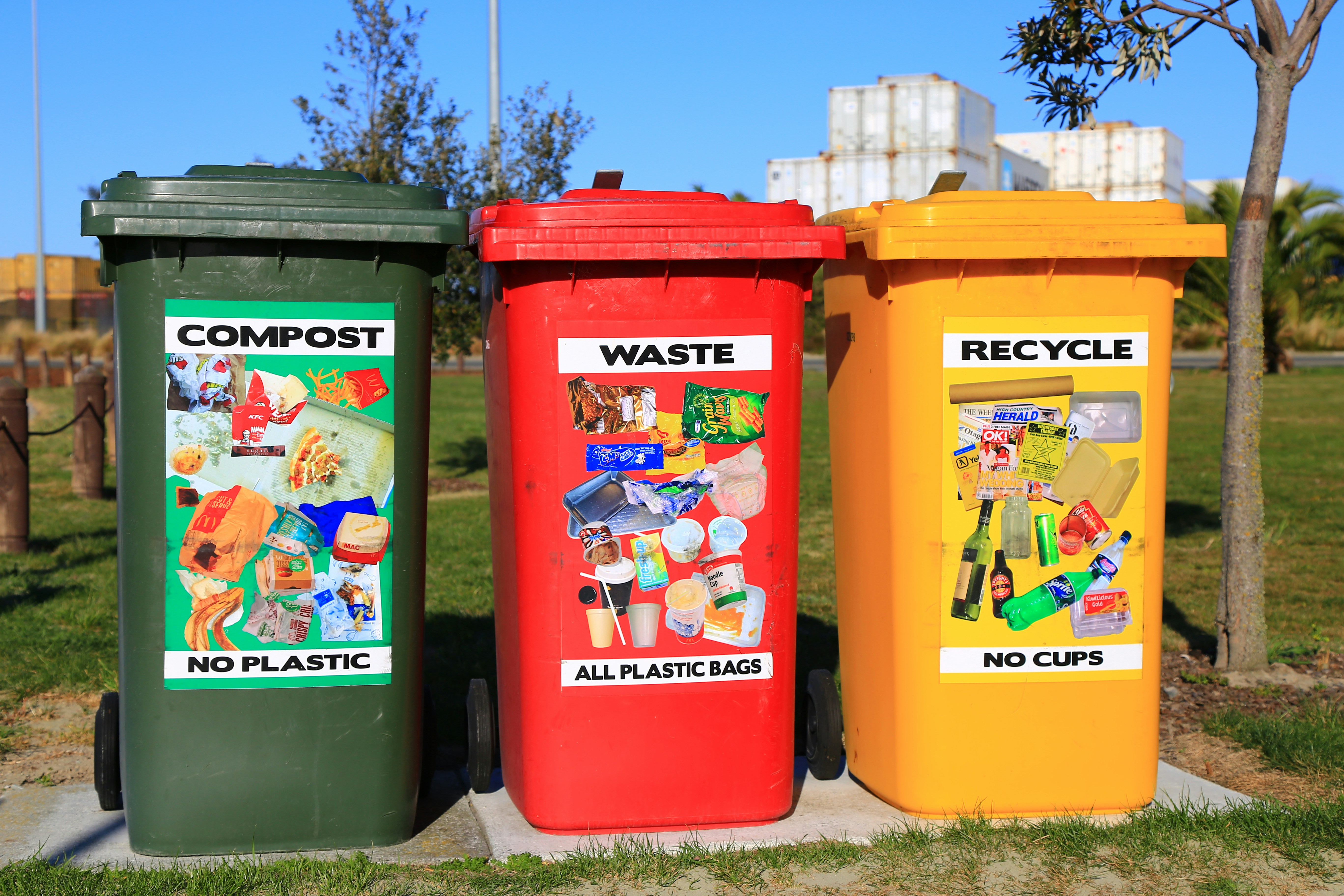
Segregation at source has been made mandatory into wet, dry, sanitary, and special care waste. Wet waste must be composted or bio-methanated. Dry waste must be processed at Material Recovery Facilities. Sanitary waste must be wrapped and stored separately. Special care waste must be handled by authorised agencies or designated centres.
Bulk Waste Generators:
Bulk waste generators include entities generating at least 100 kg waste per day, consuming 40,000 litres of water per day, or having a built-up area of 20,000 square metres or more. They include government bodies, PSUs, institutions, commercial establishments, and residential societies. User fees may be levied on waste generators as per local bye-laws.
Extended Bulk Waste Generator Responsibility:
Bulk waste generators are responsible for the waste generated by them. They must process wet waste on-site wherever feasible or obtain an EBWGR certificate. Bulk waste generators contribute nearly 30 percent of total solid waste.
Land, Monitoring, and Infrastructure:
Buffer zones are mandatory for waste processing facilities with capacity above five tonnes per day. The Central Pollution Control Board issues buffer and activity guidelines. A centralised online portal will monitor waste generation, processing, disposal, and legacy waste management. Local bodies will manage collection and transport in coordination with Material Recovery Facilities.
Refuse Derived Fuel and Landfilling:
Refuse Derived Fuel is produced from high-calorific non-recyclable waste such as plastics, paper, and textiles. Cement and waste-to-energy units must replace conventional fuel with RDF. Fuel substitution is targeted to rise from five percent to fifteen percent in six years. Landfilling is restricted to inert and non-recoverable waste, with higher charges for unsegregated waste.
Special Areas and Implementation:
Hilly areas and islands may levy user fees on tourists and establish designated waste collection points. Hotels and restaurants must process wet waste locally. Central and State-level implementation committees have been established, with State committees chaired by the Chief Secretary or UT Head.