|
India’s New Rare Earth Supply Chain
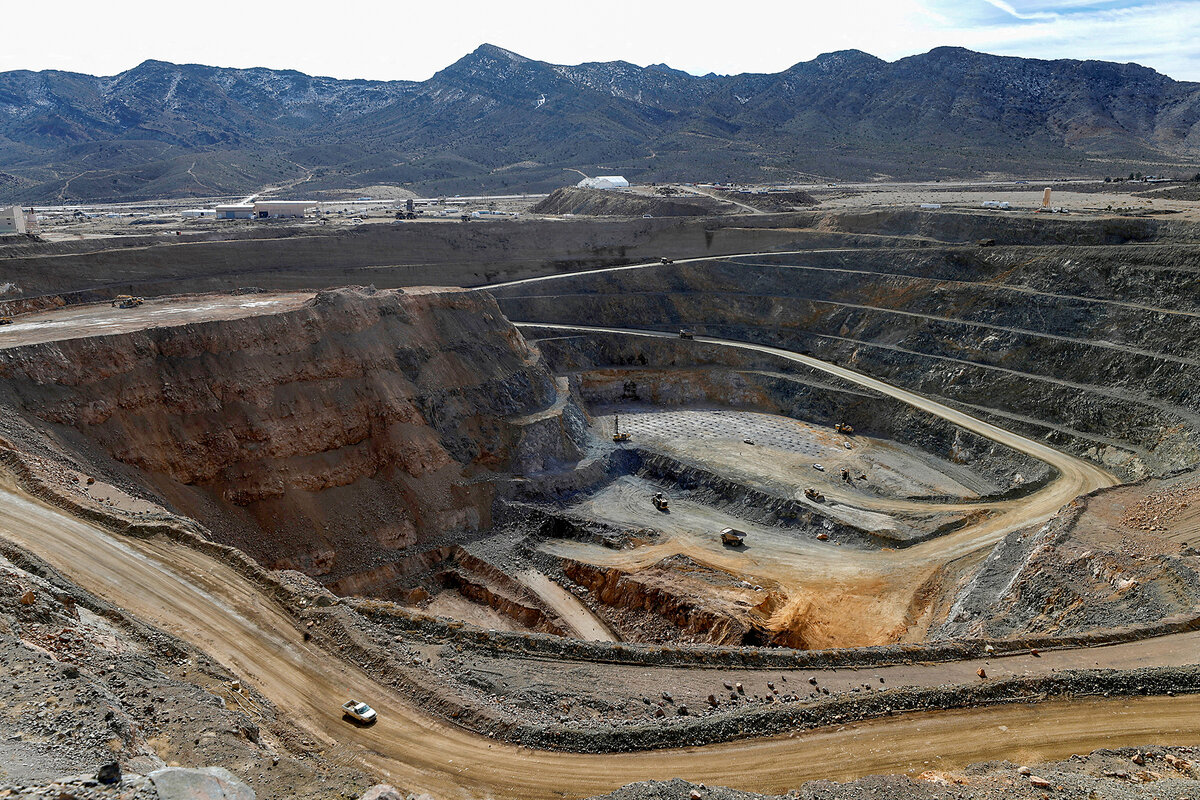
Union Finance Minister Nirmala Sitharaman proposes establishment of dedicated rare earth corridors in coastal states Odisha, Kerala, Andhra Pradesh and Tamil Nadu. The proposal provides for promoting mining, processing, research and manufacturing linked to beach sand deposits with monazite reserves, and provides incentives for integrated rare earth permanent magnet (REPM) capacity.
Dedicated Rare Earth Corridors (Proposed):
| Dimension | Key Details |
|---|---|
| Proposing authority | Proposed by Union Finance Minister Nirmala Sitharaman |
| Coverage | Applies to coastal states Odisha, Kerala, Andhra Pradesh and Tamil Nadu |
| Purpose | Promoting mining, processing, research and manufacturing through dedicated Rare Earth Corridors |
| Resource base | Beach sand deposits with rich monazite reserves |
| Key rare earth elements | Monazite reserves are capable of producing rare earth elements such as neodymium and praseodymium |
| Principal ore of rare earths in India | Beach Sand Minerals (BSM) is the principal ore of Rare Earths (RE) |
| Monazite | In BSM ore, the prescribed substance monazite occurs; monazite is a phosphate mineral containing Uranium and Thorium |
| Manufacturing capacity | Provides for supporting 6,000 metric tonnes per annum (MTPA) of integrated REPM manufacturing capacity |
| Beneficiary selection and allocation | Allocated among 5 beneficiaries selected through a competitive bidding process; each beneficiary eligible for up to 1,200 MTPA |
| Incentives | Selected beneficiaries receive sales-linked incentives worth Rs 6,450 crore over 5 years and a capital subsidy of Rs 750 crore to set up integrated REPM facilities |
| Other initiatives | Builds on the National Critical Minerals Mission and the recent Magnet Manufacturing Scheme by grounding them in the coastal states |
| Applications of high-strength REPMs | Crucial for technologies including electric vehicles, renewable energy systems, electronics, aerospace and defence applications |
| Import figure | India imported over 53,000 metric tonnes of rare earth magnets during the fiscal year ending March 2025 |
| Demand drivers | Demand for REPM is rising with government push for large-scale renewable energy expansion and EV adoption |
| Demand-supply status and projection | India currently meets demand primarily through imports; consumption of rare earth permanent magnets is expected to double by 2030 |