|
Migratory Birds’ Annual Cycle
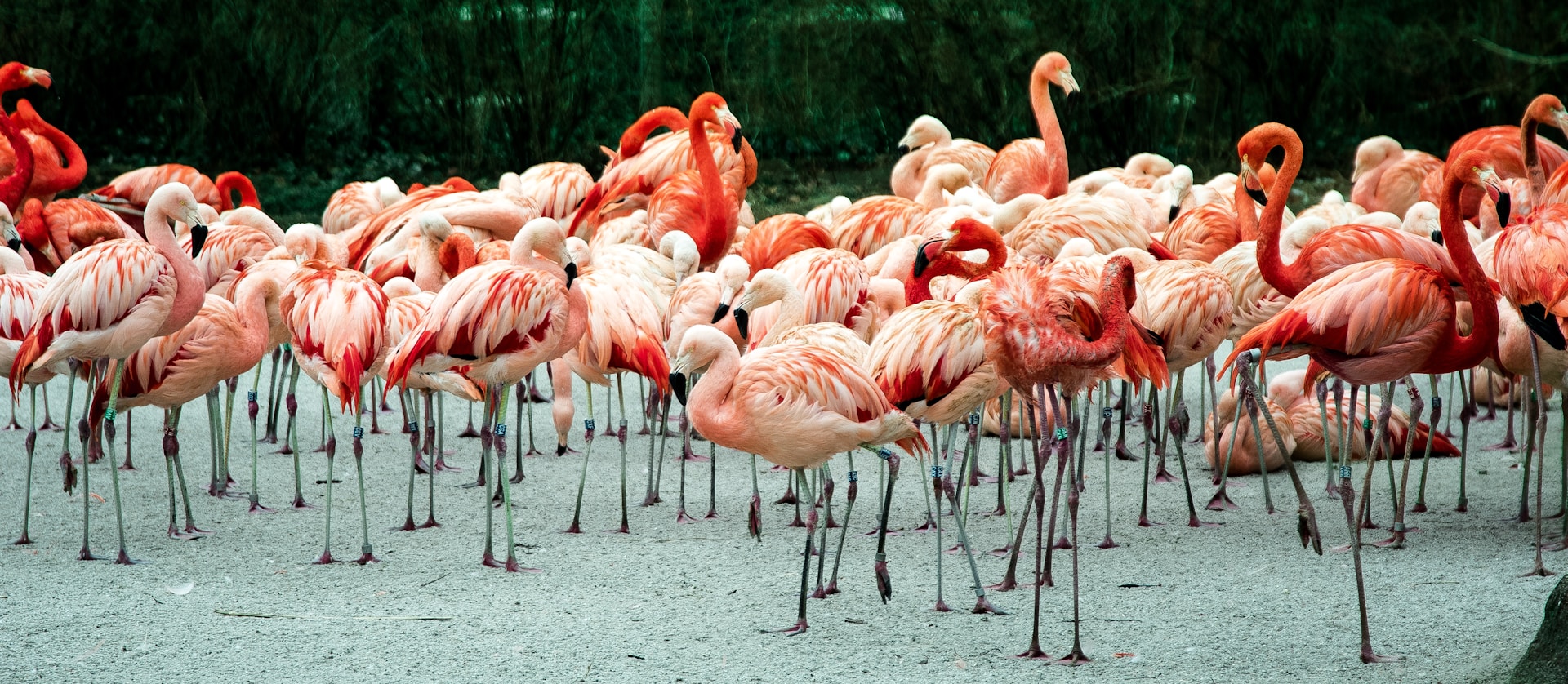
Migratory bird species are in the news as they illustrate conservation challenges that require safeguarding the entire annual cycle. The focus is on protecting breeding grounds, migratory stopovers, and non-breeding habitats through cooperation across countries, habitats, and seasons.
Migratory Birds’ Annual Cycle :
| Dimension | Key Details |
|---|---|
| Bobolink: annual cycle | Breeds in North American grasslands and winters in South America. |
| Bobolink: threats | Faces threats from disappearing grasslands and pesticide poisoning. |
| Bobolink: conservation lesson | Breeding habitat protection alone is insufficient. |
| Newell’s Shearwater: annual cycle | Spends most of its life over the Pacific Ocean and breeds in Hawaii. |
| Newell’s Shearwater: threats | Faces threats from artificial lights, collisions with power lines, and introduced predators, including cats. |
| Newell’s Shearwater: conservation lesson | Conservation must address human-induced hazards at breeding sites. |
| Spoon-billed Sandpiper: annual cycle | Breeds in Chukotka Peninsula, Russia, and migrates via tidal mudflats to Southeast Asia. |
| Spoon-billed Sandpiper: conservation status and key risk | Is critically endangered, and loss of even a few stopover mudflats jeopardises survival. |
| Spoon-billed Sandpiper: conservation lesson | Protecting migratory staging areas is vital. |
| Threats to migratory birds | Threats comprise habitat loss, pollution, artificial infrastructure, predators, and climate change. |
| Integrated conservation strategy | Requires cooperation across countries, habitats, and seasons. |
| Safeguarding the annual cycle | Provides for safeguarding breeding grounds, migratory stopovers, and non-breeding habitats, rather than focusing on a single location or threat. |
| Ecological significance | Migratory birds maintain ecosystem balance through pollination, pest control, and nutrient cycling. |
| Global cooperation | Conservation demands transboundary collaboration. |