|
International Maritime Organization
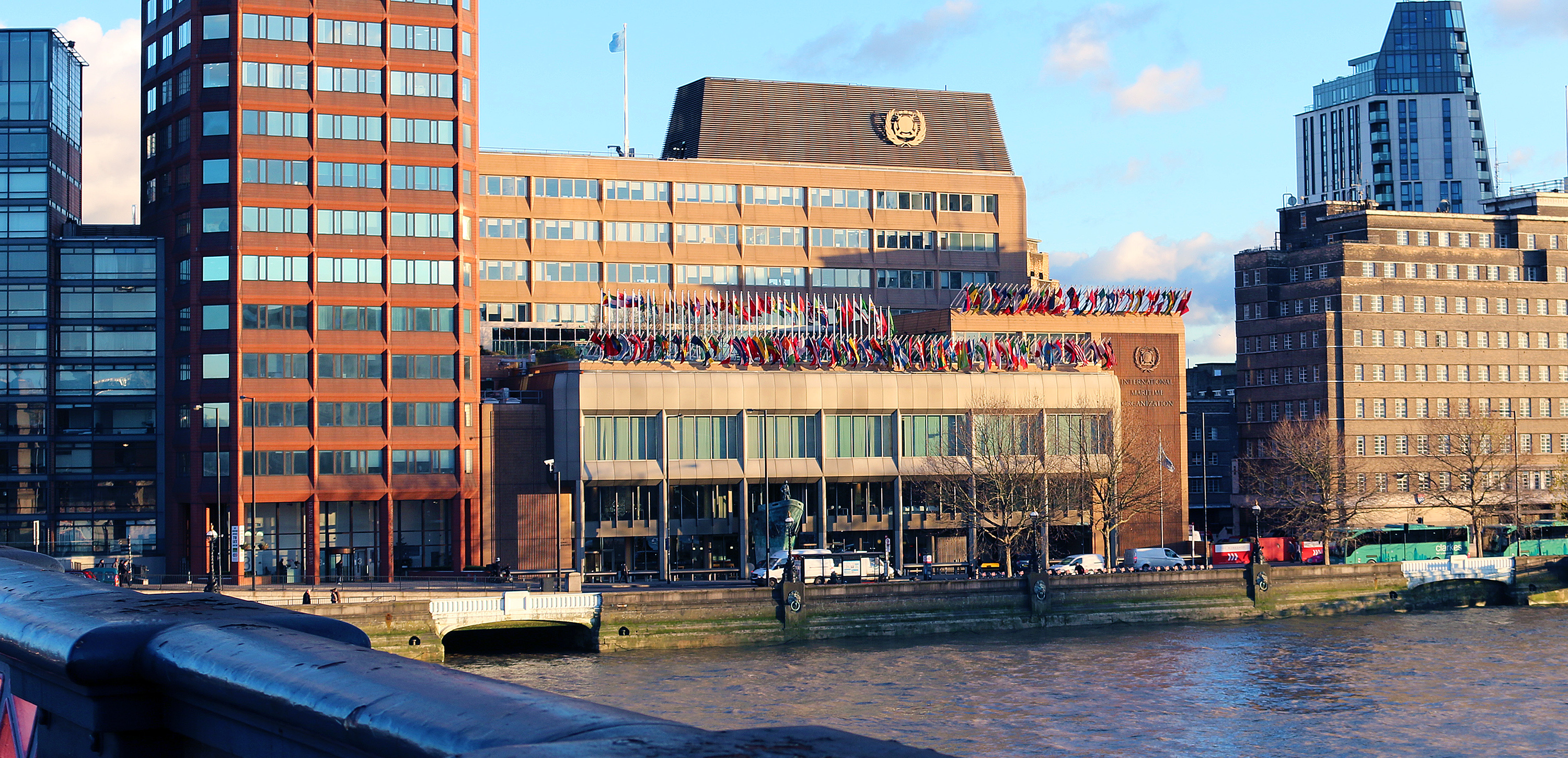
The International Maritime Organization (IMO) Secretary-General announces a plan to evacuate ships and 11,000 seafarers stranded in the Persian Gulf due to the war in West Asia. The development brings focus on the IMO’s role and governance as a UN specialised agency dealing with international shipping safety, security, and ship-based pollution prevention.
International Maritime Organization (IMO):
| Dimension | Key Details |
|---|---|
| UN status | It is a specialized agency of the United Nations. |
| Core responsibility | It is responsible for measures to improve the safety and security of international shipping and to prevent pollution from ships. |
| Standard-setting role | It is the global standard-setting authority for the safety, security, and environmental performance of international shipping. |
| Mandate | Its main role is to create a regulatory framework for the shipping industry that is fair and effective, universally adopted, and universally implemented. |
| Establishment and renaming | It is established as the Inter-Governmental Maritime Consultative Organization (IMCO) in 1948, becomes a specialized UN agency in 1959, and is renamed International Maritime Organization in 1982. |
| Highest governing body | The Assembly is the highest Governing Body of the IMO. |
| Assembly composition and meetings | The Assembly comprises all Member States and meets once every 2 years in regular sessions. |
| Assembly functions | The Assembly is responsible for approving the work program, voting the budget, and electing the Council. |
| Executive organ | The Council is the Executive Organ of the IMO. |
| Council composition and role | The Council comprises 40 elected members and, under the Assembly, supervises the work of the Organization. |
| Policy-making committees | The five policy-making committees are responsible for the development, review, updating, and approval of the organization’s guidelines and regulations. |
| Funding | Funding comes from contributions by member states, voluntary donations, and commercial activities. |
| Membership | It currently has 176 Member States. |
| India’s membership | India has been a member since 1959. |
| Headquarters | Its headquarters is in London. |