|
India’s SEZ Framework
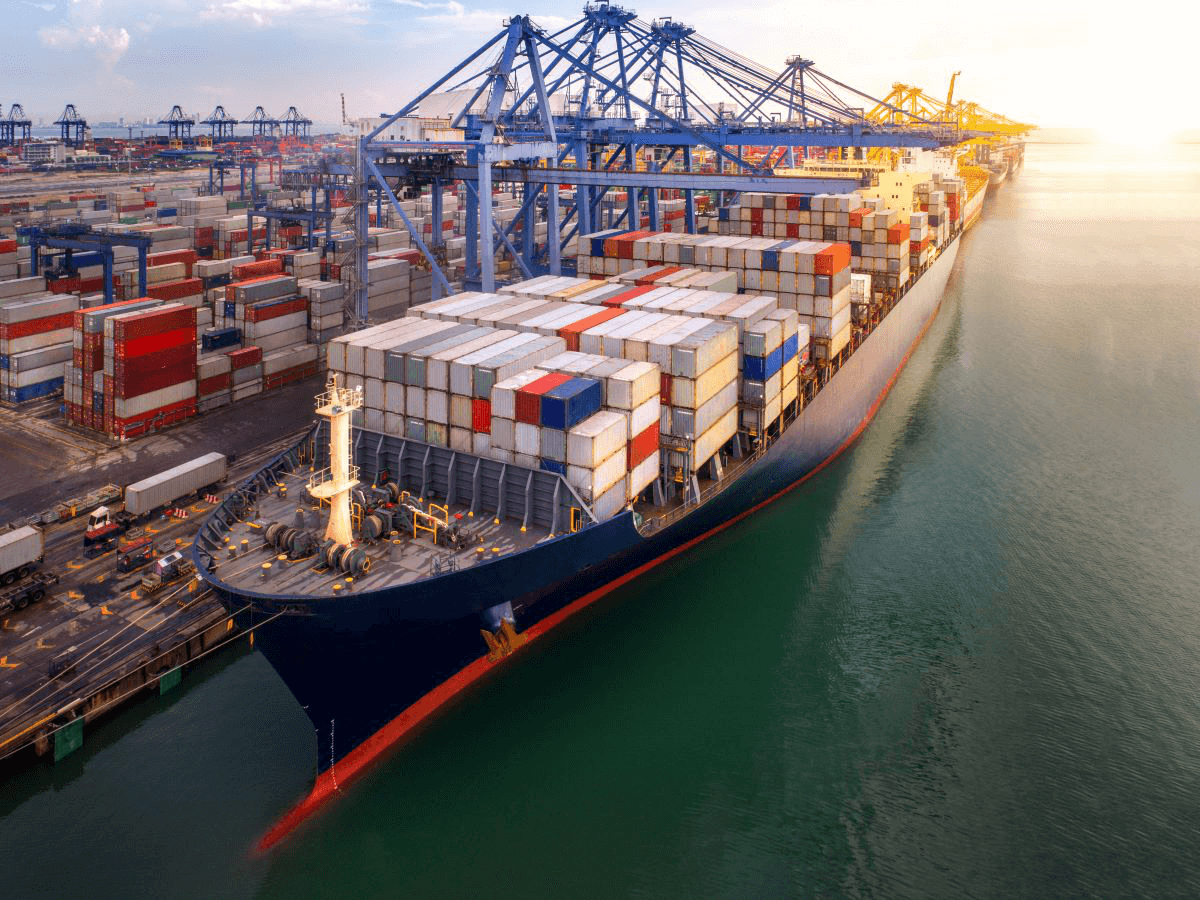
The Central Board of Indirect Taxes and Customs introduces a one-time relief allowing SEZ manufacturing units to sell goods in the Domestic Tariff Area at concessional customs duty rates. The measure applies from April 1, 2026 to March 31, 2027 to address global trade disruptions.
Special Economic Zones (SEZs):
| Dimension | Key Details |
|---|---|
| Relief Measure | Provides for concessional customs duty rates for SEZ manufacturing units selling goods in the Domestic Tariff Area. |
| Validity Period | Applies from 1 April 2026 to 31 March 2027. |
| Administering Authority | Is administered by the Central Board of Indirect Taxes and Customs. |
| SEZ Definition | Is a specifically delineated duty-free enclave treated as foreign territory for trade operations and customs duties. |
| Legal Framework | Is governed by the SEZ Act, 2005 and SEZ Rules, 2006. |
| Current Status | Comprises 368 notified SEZs as of February 2026. |
| Export Performance | Provides for exports of ₹11.70 lakh crore by December 2025. |
| Investment | Provides for ₹7.86 lakh crore in combined domestic and foreign investments as of December 2025. |
| Employment | Provides for employment generation of over 31.73 lakh jobs by December 2025. |
| Infrastructure Examples | Comprises Mundra Port, Kandla Port, Sri City, and GIFT City. |
| Sectoral Contribution | Provides for advancement in high-value manufacturing, research, and technology sectors including electronics and semiconductors. |
| Global Role | Provides for strengthening India’s position as a destination for international trade and investment. |