|
Fairfax-IDBI Bank Deal Set to Be India’s Largest Financial Sector FDI
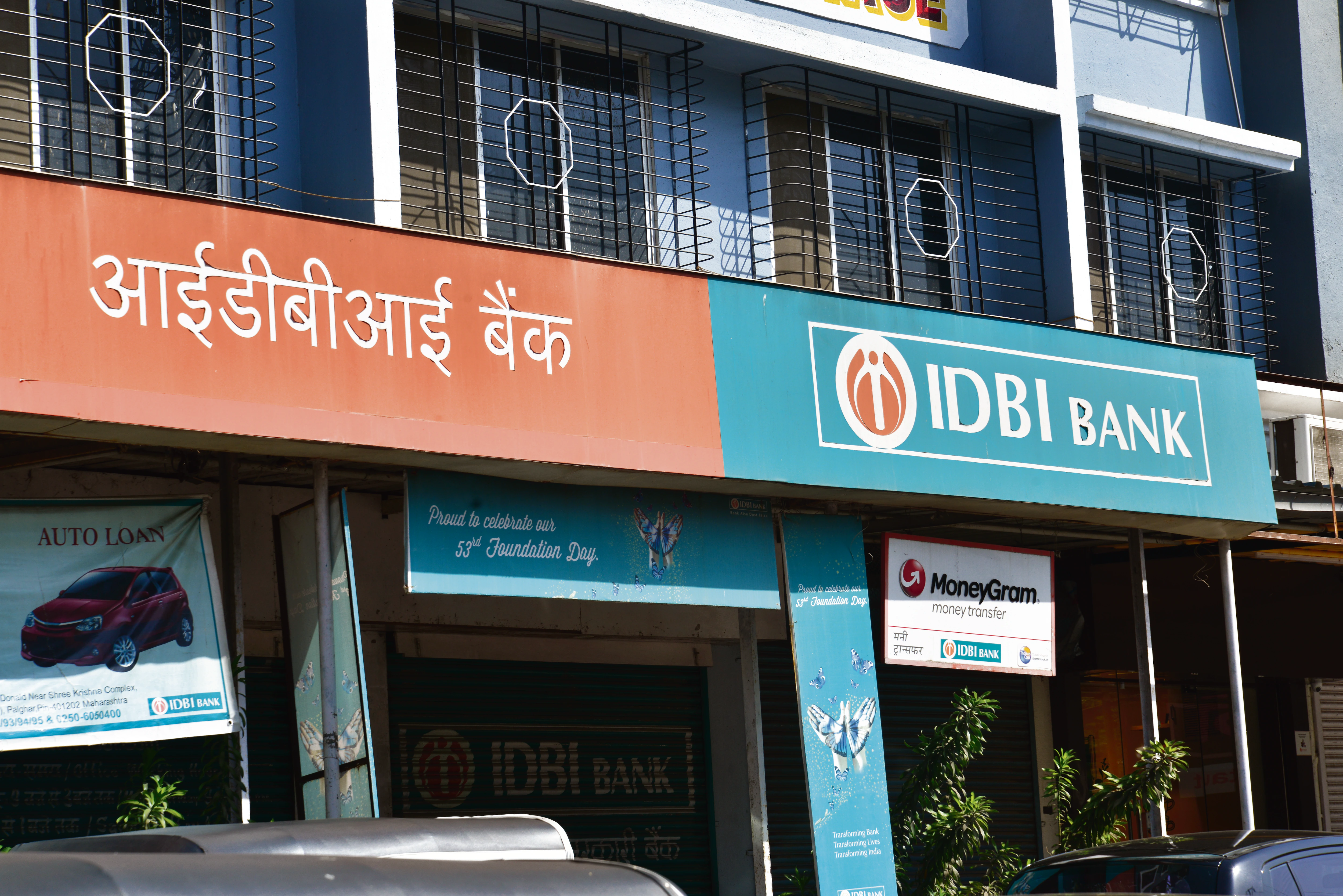
The Cabinet Committee on Economic Affairs authorises the sale of a 60.72% stake in IDBI Bank to Toronto-based Fairfax Financial Holdings for ₹52,878 crore. The transaction provides for becoming India’s largest-ever FDI transaction in the financial sector once completed, and it is governed by RBI-related regulatory conditions.
Fairfax-IDBI Bank Stake Sale:
| Dimension | Key Details |
|---|---|
| Authorising authority | The Cabinet Committee on Economic Affairs (CCEA), chaired by the Prime Minister, authorises the transaction. |
| Buyer | The buyer comprises Fairfax Financial Holdings, a Toronto-based entity. |
| Deal value | The transaction comprises ₹52,878 crore (about $5.56 billion). |
| Stake acquired and current holders | The stake acquired comprises 60.72%, jointly held by the Government of India (45.48%) and LIC (49.24%). |
| Stake sale and residual holdings | The transaction comprises a Government of India sale of 30.48% with a residual 15%, and an LIC divestment of 30.24% with a residual 19%. |
| Expected completion timeline | The transaction provides for expected completion by March 2027. |
| Regulatory conditions | The transaction mandates: Fairfax stake reduction to 26% over a 15-year glide path to be finalised with the RBI; retention of the “IDBI Bank” name for 3 years from deal completion; a 5-year capital lock-in; reduction of LIC’s residual stake from 19% to 15% within 2 years; compliance with RBI norms that bar an entity from owning two banks, applicable to Fairfax’s 40% holding in Kerala’s CSB Bank via FIH Mauritius Investments Ltd, through either merger with IDBI Bank or exit within 2 years; fit-and-proper assessment and submission of a roadmap before deal close; and an open offer that provides minority shareholders an exit option. |
| Residual government stake disposal mechanism | The CCEA authorises an Alternative Mechanism or Empowered Group of Ministers, headed by the Finance Minister, to sell the government’s residual 15% stake through the open market. |
| LIC residual stake handling | LIC’s residual stake is governed by LIC’s internal procedures and regulatory compliance. |
| IDBI Bank institutional timeline | IDBI Bank comprises establishment as an apex Development Financial Institution in 1964, conversion into a banking company in 2004, and private bank status in 2019 after LIC steps in as promoter. |
| Disinvestment target figures | The proceeds are governed by a ₹80,000 crore disinvestment target for FY27, and the government has raised ₹55,757 crore in the fiscal year stated in the report. |
| Other foreign investment examples | The report comprises examples of foreign investments: Emirates NBD acquiring 60% stake in RBL Bank (about $3 billion, June 2026); Japan’s MUFG acquiring 20% stake in Shriram Finance ($4.4 billion); and Japan’s SMBC acquiring 24.2% stake in YES Bank (about $2 billion, previous year). |
| Recent disinvestments | The report comprises recent disinvestments: Air India; Neelachal Ispat Nigam Ltd (2022); Ferro Scrap Nigam Ltd (early 2025); and Indian Medicines Pharmaceuticals Corporation Ltd (May 2026). |
| Employee service and pension provisions | The transaction provides for employee service conditions to be unchanged, and pension benefits to be governed by a separate dedicated fund that provides for full funding. |