|
Cyborg Botany
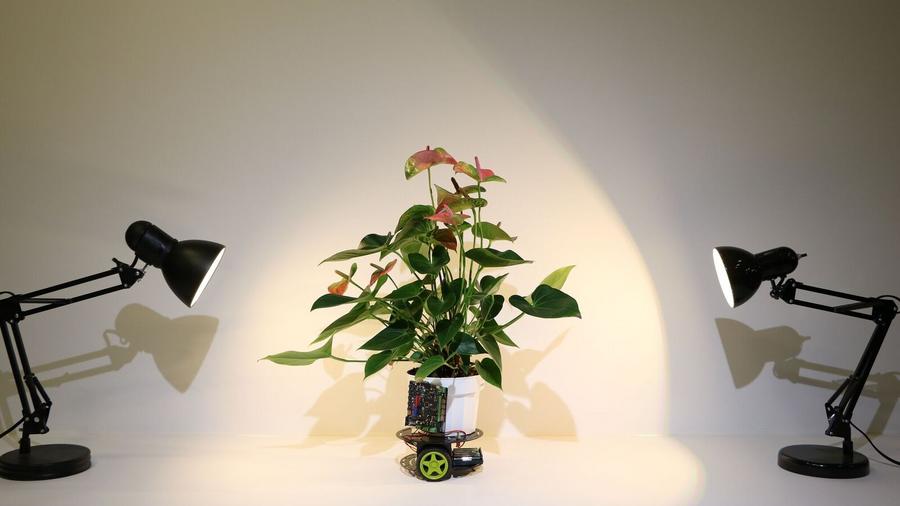
Scientists across many institutions are exploring cyborg botany, which transforms plants into living circuit boards. The field is currently relevant for integrating biological plant processes with electronic sensing systems.
Cyborg Botany:
| Dimension | Key Details |
|---|---|
| Definition | Cyborg botany is a hybrid system that integrates living plants with electronic components. |
| Interdisciplinary Nature | Cyborg botany is an intersection of biology, materials science, and engineering. |
| Origin of Term | The word cyborg comes from cybernetic organism. |
| Goal | Cyborg botany provides for merging biological processes of living plants with artificial electronic functionality. |
| Nanowires and Transistors | Nanowires and electronic transistors can be embedded into plant cell walls to function as biosensors for biochemical changes. |
| Conductive Polymers | Conductive polymers such as PEDOT act as living wires within plant tissue and carry signals from plant cells to an external device. |
| Plant Stress Types | Plants face biotic stress such as pest infestations and disease, and abiotic stress such as drought and extreme temperatures. |
| Agricultural Significance | Embedded sensors can detect moisture deficit or disease signals before visible symptoms appear, enabling targeted water, nutrient, or treatment application. |