|
Conservation Status of Lion-tailed Macaque
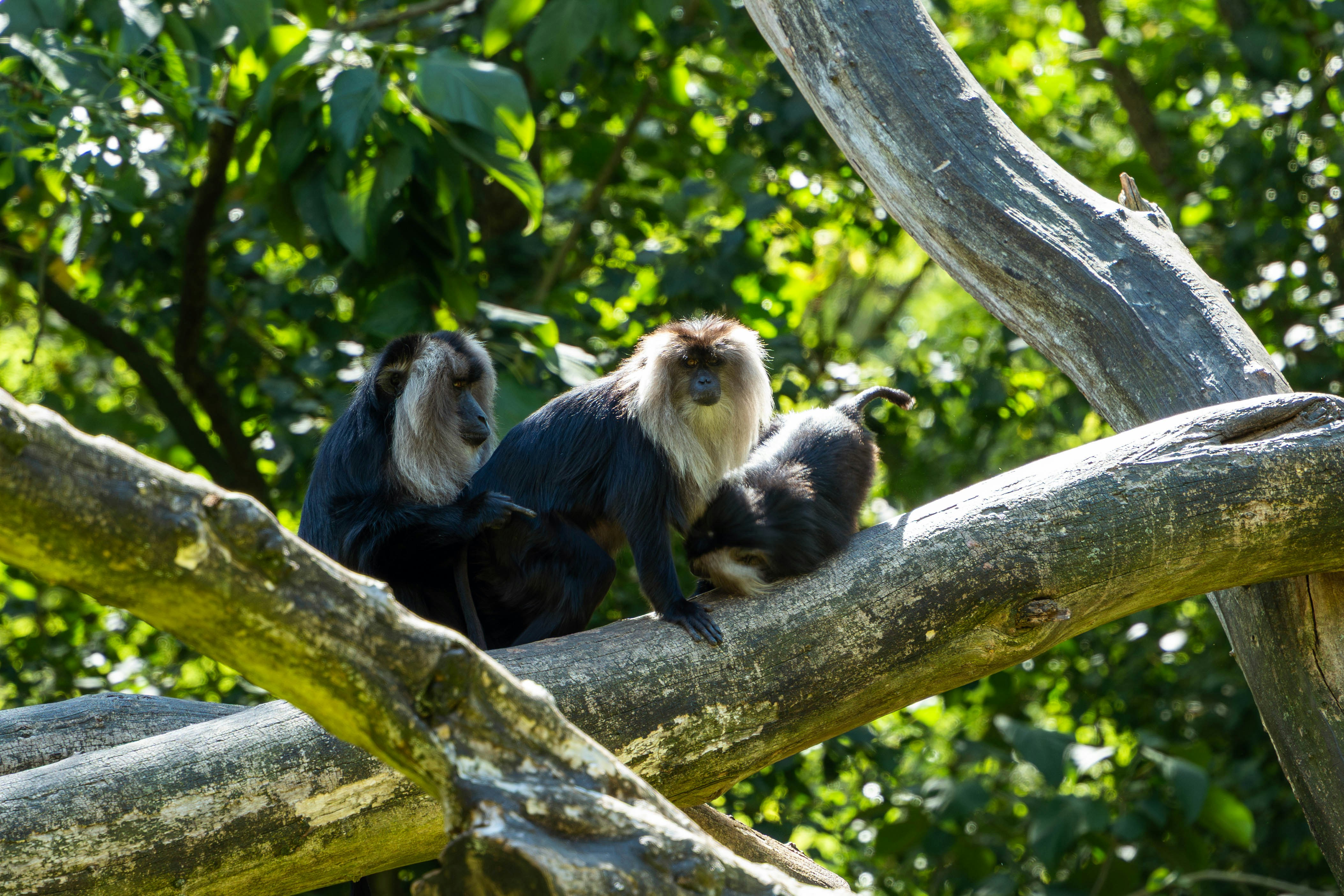
A 40-year study in the Anamalai Hills reports lion-tailed macaques increase near human areas due to easy access to food, but with higher mortality risks. The species is in the news in the context of its habitat, threats, and conservation status classifications.
Lion-tailed Macaque (Macaca silenus) :
| Dimension | Key Details |
|---|---|
| Scientific name | Macaca silenus |
| Genus | Macaca |
| Habitat | Tropical evergreen, semi-evergreen rainforests and monsoon forests |
| Distribution | Endemic to the Western Ghats; found only in Karnataka, Kerala, and Tamil Nadu |
| Key locations | Anamalai Hills; Nelliyampathy; Silent Valley National Park (largest population); Nilambur; Sholayar; Gavi; Sabarimala; Vallimalai; Valparai; Agumbe |
| Appearance | Black body; silver-white mane (lion-like); long tail with tuft |
| Reproduction | Low birth rate; long gestation |
| Behaviour | Arboreal and diurnal; social animal living in groups of 30–40; polygynous in nature |
| Uniqueness | The only macaque species in which males use loud calls to mark territorial boundaries |
| Diet | Omnivorous with a fruit-based diet; also feeds on seeds, flowers, insects, and small vertebrates |
| Threats | Fragmentation (habitat loss due to plantations, roads, and dams); poaching (illegal hunting and pet trade); conflict (human–wildlife interaction in fragmented forests) |
| Conservation status | IUCN Red List: Endangered (IUCN Redlist 2023) |
| International trade status | CITES: Appendix I |
| Indian legal status | Wildlife (Protection) Act, 1972: Schedule I |
| Ecological significance | Key seed disperser sustaining forest regeneration and ecosystem stability in the Western Ghats |