|
Kerala’s New Lyriothemis Species Found
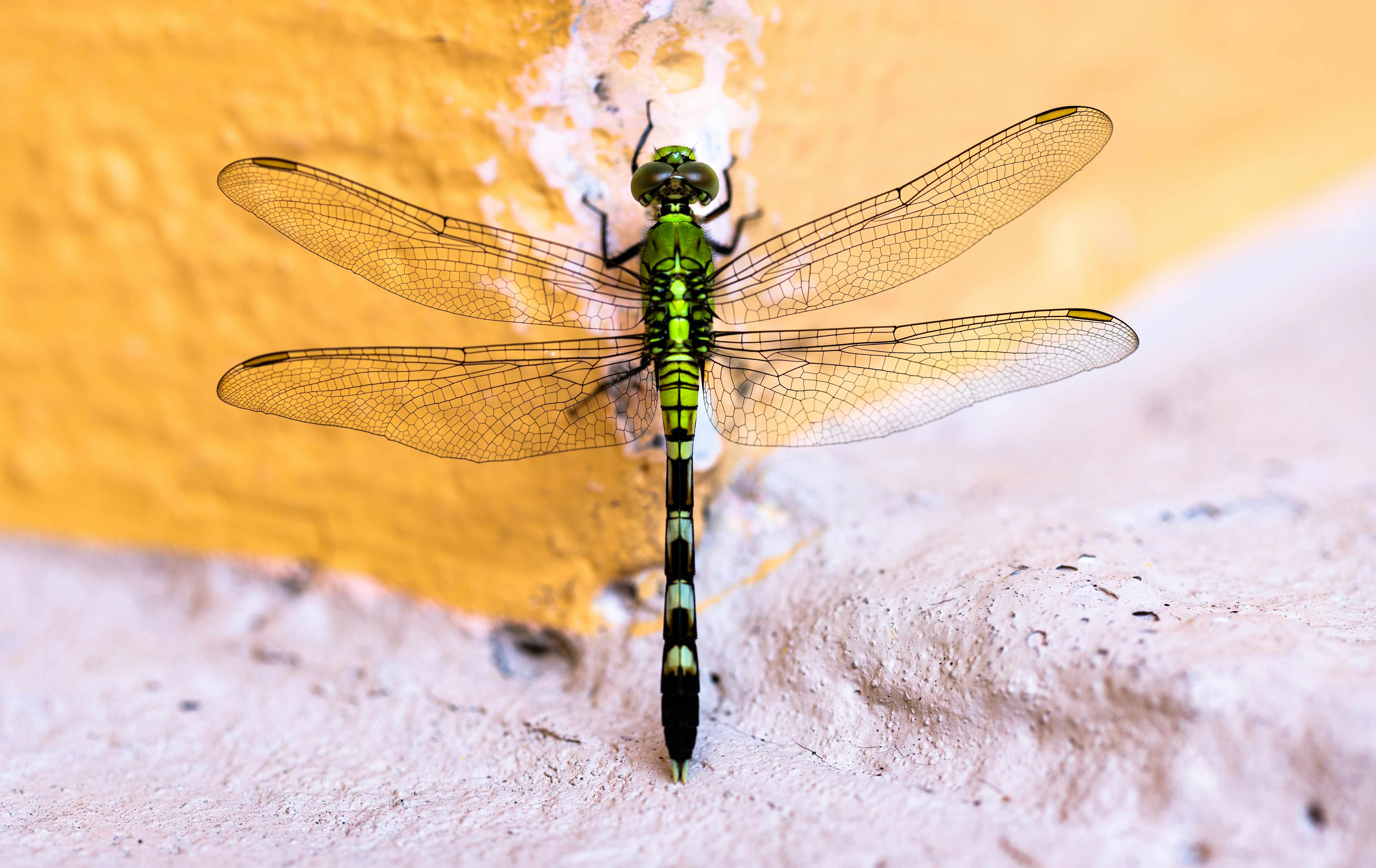
A new dragonfly species, Lyriothemis keralensis, is formally identified from Kerala after being misidentified for over a decade. It is first spotted in 2013 in Varappetty near Kothamangalam (Ernakulam district) and is now reported as occurring in Kerala’s low-lying coastal plains.
Lyriothemis keralensis (Slender Bombardier) :
| Dimension | Key Details |
|---|---|
| Species | Lyriothemis keralensis; common name provides for Slender Bombardier |
| Taxonomic placement | Genus comprises Lyriothemis; dragonflies and damselflies are governed by insect order Odonata; collectively known as odonates |
| Discovery location and year | First spotted in 2013 in Varappetty near Kothamangalam, Ernakulam district, Kerala |
| Earlier misidentification | Previously misidentified as Lyriothemis acigastra or Little Bloodtail; Little Bloodtail odonate family is widely found in northeastern India |
| Habitat | Inhabits vegetated pools and irrigation canals within well-shaded pineapple and rubber plantations |
| Distribution | Found in the low-lying coastal plains of Kerala |
| Life stages | Predatory, amphibious insects; known for aquatic larvae and terrestrial, winged adult stages |
| Key morphology | About 3 cm long |
| Dimorphism and sex-wise traits | Dimorphism provides for males and females looking different in colour and body shape; males are bright blood-red with black markings and have a slimmer body with a slender abdomen; females are yellow with black markings and are bulkier |
| Seasonality and behaviour | Seasonally visible only during the Southwest monsoon (late May to end of August); believed to persist in aquatic larval stage during remaining months |
| Diet | Feed on insects like mosquitoes, flies, midges, moths, and butterflies; often catch prey mid-air |
| Threats and vulnerability | Occur mainly outside protected areas; depend on fragile microhabitats; vulnerable to land-use changes in plantation-dominated landscapes |
| Ecological significance | Odonate species are known as ecological bioindicators of healthy, clean wetlands; demonstrates Kerala’s high insect biodiversity; underlines need for sustainable land-use practices for species conservation |