|
Climate change-linked heatwaves trigger sex reversal in Agile Frogs
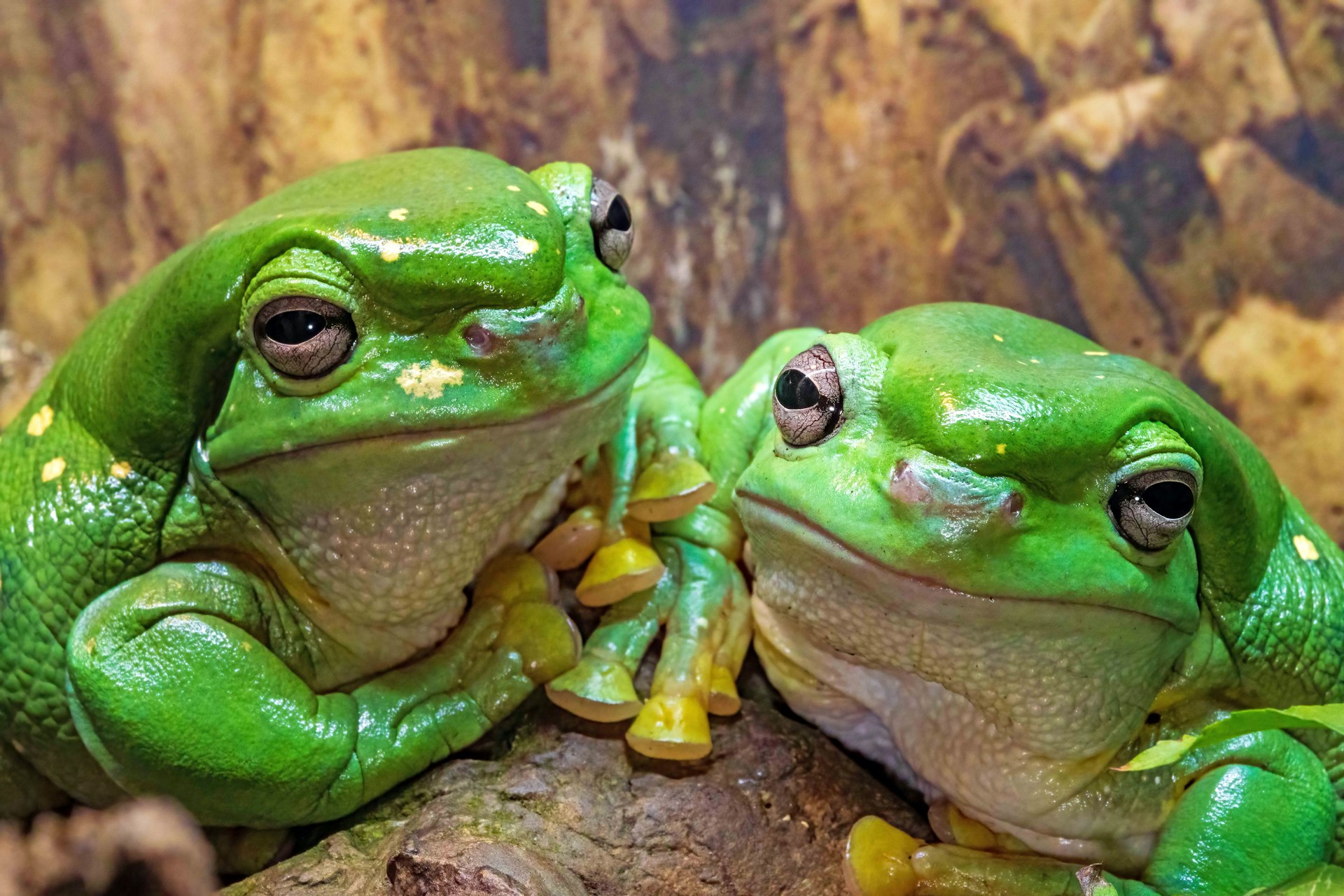
A recent study reports climate-change-induced sex reversal in wild Agile Frogs, where extreme heat overrides genetic chromosomes and turns female tadpoles into physical males. The study documents reproductive, disease, and population impacts linked to heatwaves, including interactions with Ranavirus and modeled collapse timelines for small, isolated populations.
Sex reversal in Agile Frogs:
| Dimension | Key Details |
|---|---|
| Species | Agile Frog is identified as Rana dalmatina. |
| Phenomenon | Sex reversal occurs when an organism develops anatomical and physiological reproductive traits that differ from its genetically determined sex. |
| Chromosomal sex determination | In Agile Frogs, chromosomal sex determination typically yields females (XX) and males (XY). |
| Heat effect | Heatwaves during early tadpole development interfere with hormonal signals and gene expression, causing genetically female (XX) tadpoles to develop into fertile physical males. |
| Reproductive outcome in the wild | Wild females exhibit a lower mating response toward sex-reversed (XX) males. |
| Field observations | Field observations across 16 populations show sex-reversed males constitute 20% of the wild male population, and father 4% of total egg clutches. |
| Inherited vulnerability under heat stress | Under heat stress, 61% of offspring from sex-reversed fathers develop as males despite carrying XX chromosomes, compared to 17% from normal XY males. |
| Synergy with lethal pathogens | Laboratory heatwave experiments show tadpoles fathered by sex-reversed males carry significantly higher viral loads when exposed to Ranavirus. |
| Computer modeling | Computer modeling indicates small, isolated frog populations subjected to skewed male-biased sex ratios could face collapse within 60 to 70 years. |
| Modeled effect of Ranavirus-induced mortality | When Ranavirus-induced mortality among offspring of sex-reversed males is factored in, population collapse occurs about 10 years earlier, and total extinction arrives 9.5 years sooner. |
| IUCN estimate | Amphibians are described as the most threatened vertebrate class globally, with about 40% of species facing extinction as per IUCN estimates. |
| Survey implication | Undetected sex reversal means field surveys relying purely on physical traits overestimate effective female breeding populations. |
| Indian biodiversity context | In India’s Western Ghats, rising temperatures combined with pathogens like Chytrid fungus (Batrachochytrium dendrobatidis) and Ranavirus are presented as a dual threat to endemic frogs. |
| Policy linkage | Species action plans under the Wild Life (Protection) Act, 1972 are stated to incorporate genetic sex-monitoring, micro-habitat shading, and thermal buffer management. |