|
Antarctic Sea Ice Peaks at 17.59 Million sq km
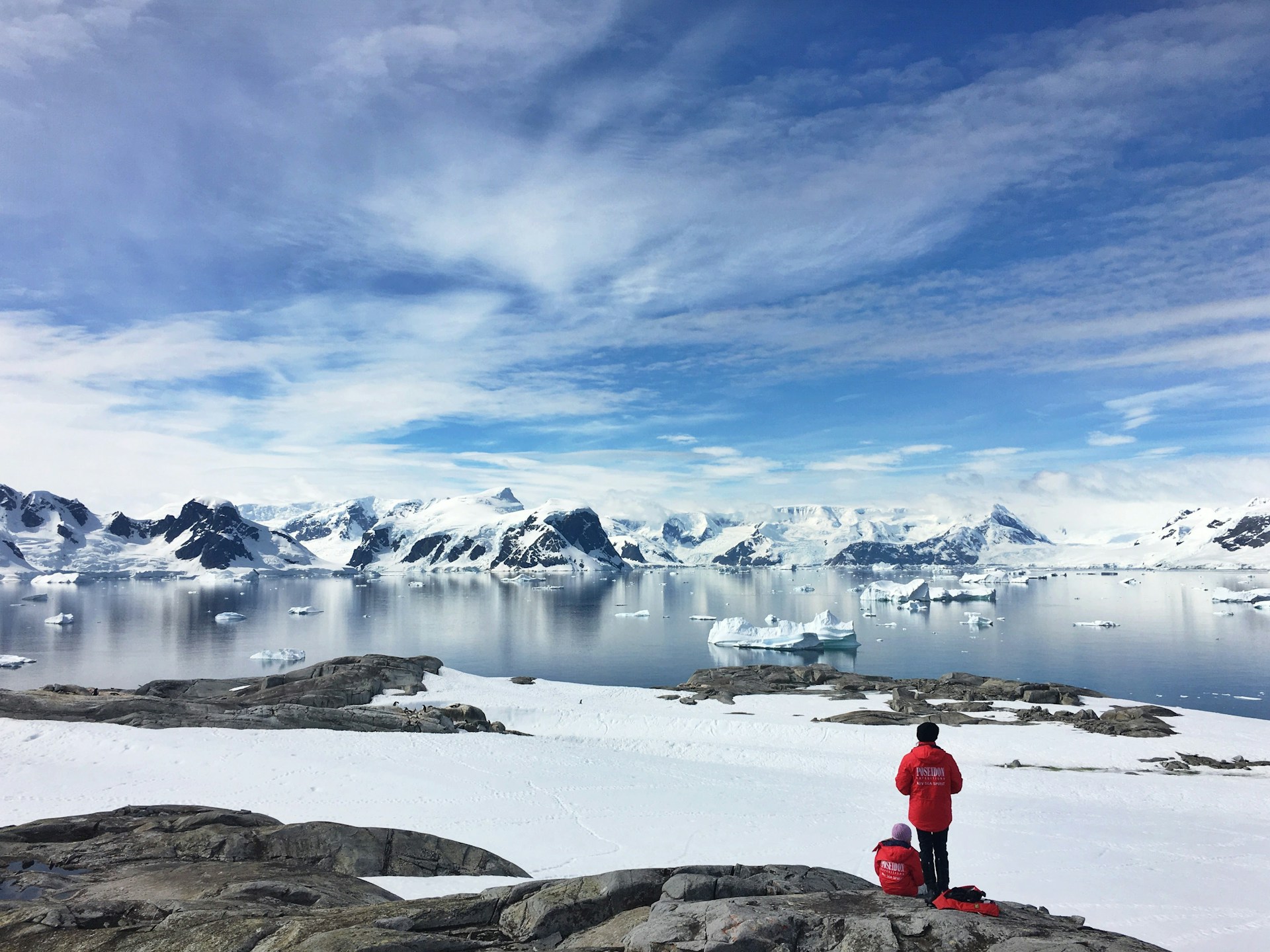
According to NASA and the National Snow and Ice Data Center (NSIDC), Antarctic sea ice likely reaches its annual maximum extent on September 14, 2026. The maximum extent is estimated at 17.59 million sq km, which is the 3rd-lowest maximum on record and about 1 million sq km below the long-term average.
Antarctic Sea Ice:
| Dimension | Key Details |
|---|---|
| Recent pattern in maximum extents | The four lowest annual maximum extents have occurred within the past 4 years. |
| Definition of sea ice | Sea ice comprises frozen seawater that forms, grows, and melts within the ocean environment. |
| Difference from ice sheets and glaciers | Sea ice differs from ice sheets and glaciers, which originate primarily from accumulated snowfall on land. |
| Physical characteristic | Sea ice remains afloat on the ocean surface and undergoes seasonal expansion and retreat. |
| Significance | Sea ice provides three functions: marine ecosystem support, albedo regulation, and climate and ocean circulation influence. |
| Sea level rise note | Melting of floating sea ice does not significantly contribute to sea level rise, in contrast to melting of land-based glaciers and ice sheets. |
| Historical trend | Repeated low winter maximums in recent years raise concerns regarding a potential shift in the Antarctic sea ice system. |
| Method of measuring sea ice extent | Satellites equipped with passive microwave sensors are utilized to monitor sea ice extent. |
| Passive microwave sensing: basis | Passive microwave sensors detect naturally emitted microwave energy from the Earth's surface. |
| Passive microwave sensing: differentiation | Sea ice and open water exhibit distinct microwave emission characteristics, which enables differentiation between the two. |
| Passive microwave sensing: cloud penetration | Microwave signals penetrate cloud cover, permitting observations regardless of atmospheric conditions. |