|
Botanical Survey of India Records New Species Strobilanthes riteshii in Arunachal Pradesh
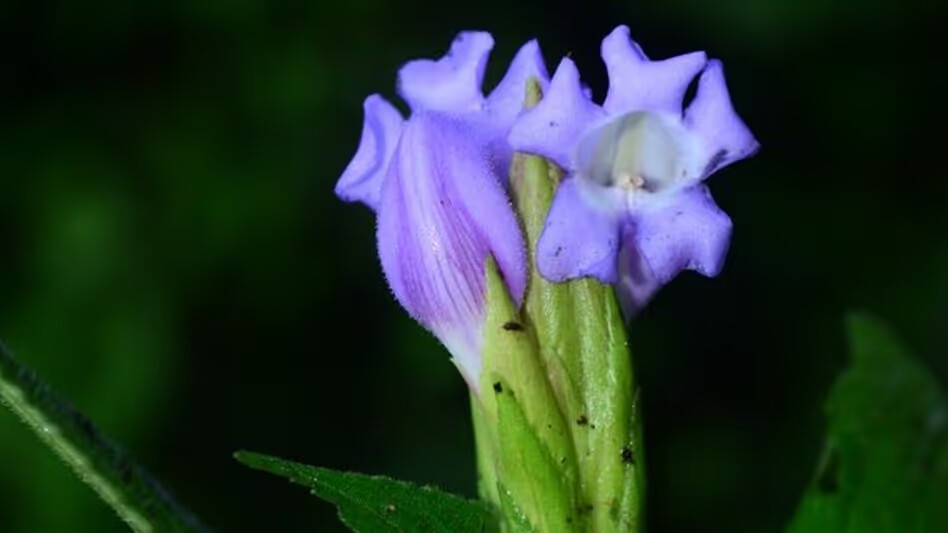
Researchers from the Botanical Survey of India formally record a new flowering plant species, Strobilanthes riteshii, from Arunachal Pradesh. The species is reported from Chayangtajo in East Kameng district and is assessed as IUCN Data Deficient with limited individuals recorded.
Strobilanthes riteshii (New Plant Species Recorded by Botanical Survey of India):
| Dimension | Key Details |
|---|---|
| Taxonomy | Family: Acanthaceae; Genus: Strobilanthes. |
| Nomenclature | Named after Dr. Ritesh Kumar Choudhary in recognition of his contributions to plant taxonomy and molecular systematics. |
| Discovery location | Chayangtajo, East Kameng district, Arunachal Pradesh. |
| Habitat | Grows along roadsides on open hill slopes, often near small waterfalls and streams within evergreen forest patches. |
| Distribution | Endemic to the Eastern Himalayan region of Arunachal Pradesh; about 25 mature individuals recorded so far. |
| Key characteristics | Rare flowering shrub/herb; close resemblance to Strobilanthes gigantea; flowers are purple to violet, bell-shaped, with flaring petals. |
| Phenology | Flowering observed between August and October; fruiting occurs from September to December. |
| IUCN conservation | Data Deficient (DD). |
| Threats | Habitat pressure from road-widening, shifting (jhum) cultivation, and stream pollution; limited data on wider distribution increases conservation risk. |
| Genus-related facts | India has high Strobilanthes diversity, especially in the Himalayas and Northeast, known for their striking flowers and mass-flowering cycles. |
| Ecological significance | Shows the Eastern Himalaya as a key biogeographical corridor linking India, China and Tibet; highlights unique, highly endemic Himalayan flora. |