|
BharatNet Implementation
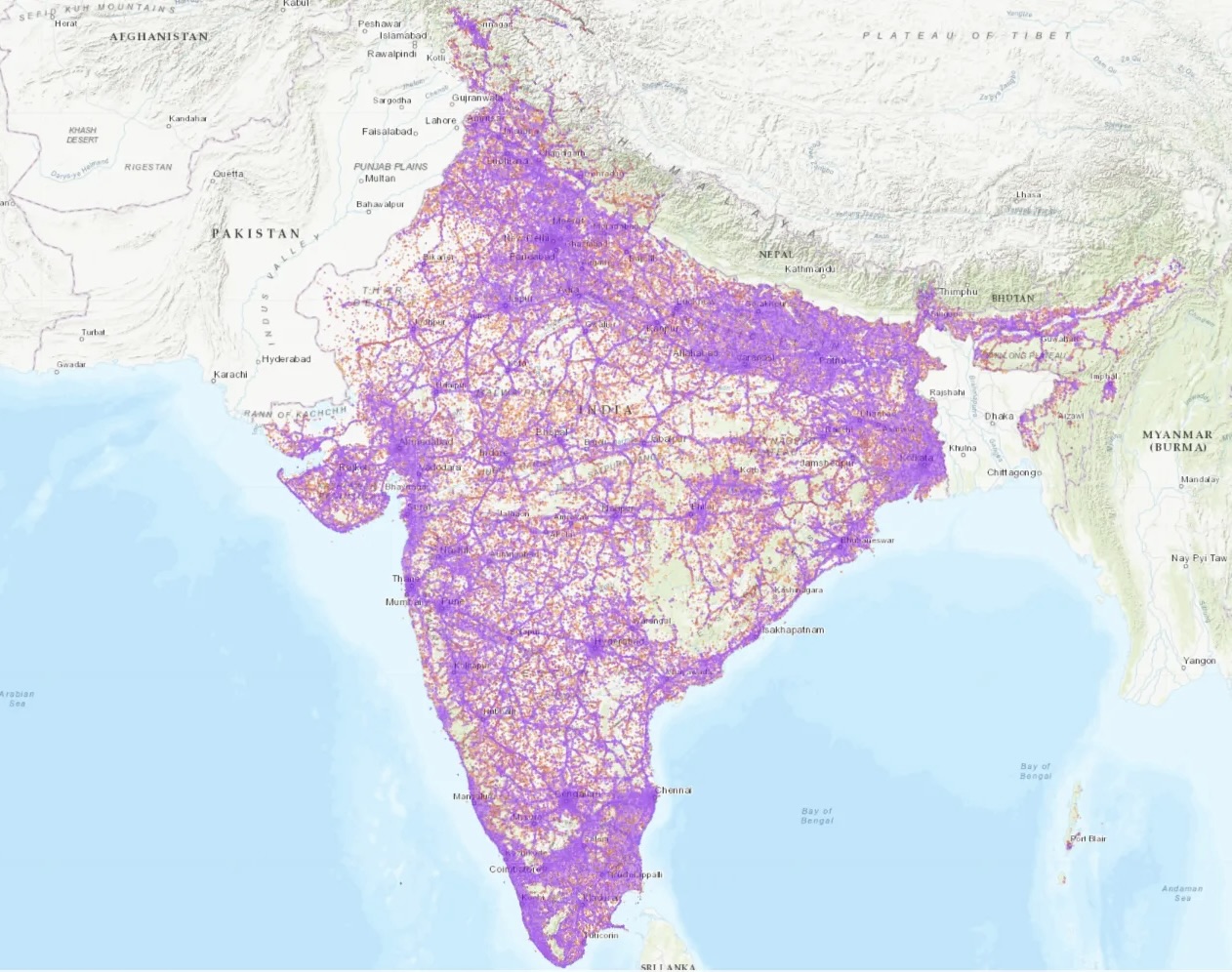
The Union Communications Minister highlighted progress under BharatNet and outlined National Broadband Mission 2.0 targets for 2030. The initiatives focus on expanding high-speed broadband connectivity to rural and remote areas.
BharatNet & National Broadband Mission 2.0:
| Dimension | Key Details |
|---|---|
| Scheme Objective | Provides high-speed broadband connectivity to rural India, especially Gram Panchayats and villages |
| Launch Year | October 2011 |
| Nodal Ministry | Ministry of Communications |
| Funding Source | Funded by Universal Service Obligation Fund |
| Implementation Model | Centre–State collaborative project with free Right of Way provided by States |
| Connectivity Modes | Optical Fibre Cable, satellite, radio, fibre over power lines and Wi-Fi hotspots |
| Coverage Progress | Over 2.14 lakh Gram Panchayats connected and more than 2 lakh villages covered as of September 2025 |
| NBM 2.0 Launch | Launched in April 2025 with roadmap for universal broadband access by 2030 |
| NBM 2.0 Optical Fibre Target | 2.7 lakh villages with 95% uptime by 2030 |
| NBM 2.0 Broadband Speed Target | 100 Mbps average fixed broadband speed by 2030 |
| Rural Internet Target | 60 subscribers per 100 population by 2030 |
| Right of Way Reform | Processing time reduced from 455 days to 30.4 days |