|
BAS Report Flags India’s Modernising Nuclear Delivery Systems
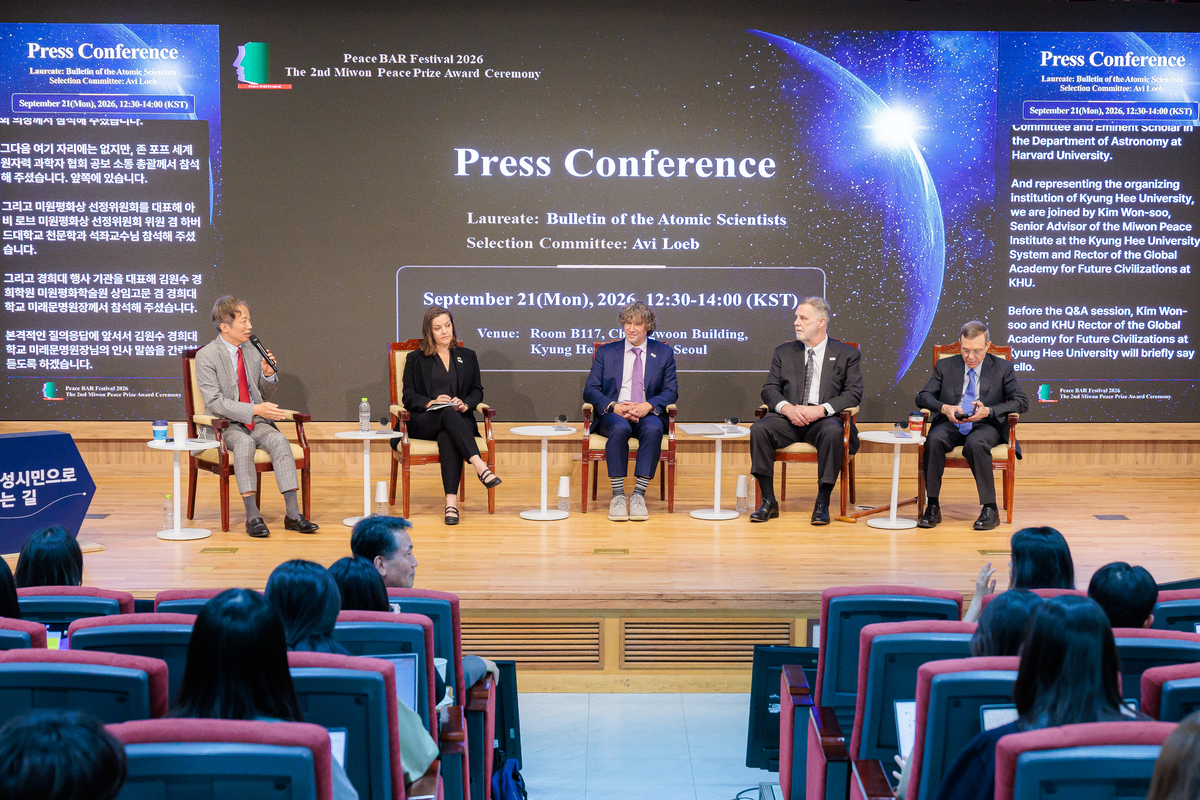
A new assessment published by the Bulletin of the Atomic Scientists (BAS) states that India continues to modernise and expand systems capable of delivering nuclear weapons, while New Delhi maintains its long-standing doctrine of no first use. The report brings focus to BAS and its Doomsday Clock as media products used to highlight risks related to nuclear weapons and other existential threats.
Bulletin of the Atomic Scientists and Doomsday Clock:
| Dimension | Key Details |
|---|---|
| Institution type | The Bulletin of the Atomic Scientists is an independent, nonprofit organization. |
| Role | The Bulletin of the Atomic Scientists provides for warning the public about the danger of nuclear weapons. |
| Founding | The Bulletin is founded by the Atomic Scientists of Chicago in September 1945 at the University of Chicago. |
| Founding members and sponsors | Its founding members and sponsors comprise scientists associated with the Manhattan Project, including Albert Einstein, J. Robert Oppenheimer, and Eugene Rabinowitch. |
| Focus areas | The Bulletin focuses on 3 main areas: nuclear risk, climate change, and disruptive technologies. |
| Media products over time | The Bulletin pursues its goals through media products starting in 1945 as a mimeographed newsletter, then a magazine, and now as an online publication. |
| Current platforms | Today, the Bulletin’s platforms comprise a website, premium magazine, videos, the Doomsday Clock, and regular events. |
| Doomsday Clock creation | To convey the particular peril posed by nuclear weapons, the BAS devises the Doomsday Clock in 1947. |
| Doomsday Clock nature | The Doomsday Clock is a symbolic clock adopted by atomic scientists to show how close human beings are considered to be to a global catastrophe, with midnight standing for annihilation or “doomsday.” |
| Threat categories | It is recognized as a universal symbol of threats to humanity from: nuclear and other weapons of mass destruction, climate change, and disruptive technologies. |
| First cover appearance | The Doomsday Clock appears on the Bulletin’s first cover when it transitions from a newsletter to a magazine. |
| Original setting | Its original setting is 7 minutes to midnight. |
| Reset count | Since its invention in 1947, the clock has been reset 27 times. |
| Latest setting | In January 2026, the clock is set to 85 seconds before midnight, which is the closest it has ever been to doomsday. |