|
Indonesia Faces Worst Wildfire Season in a Decade
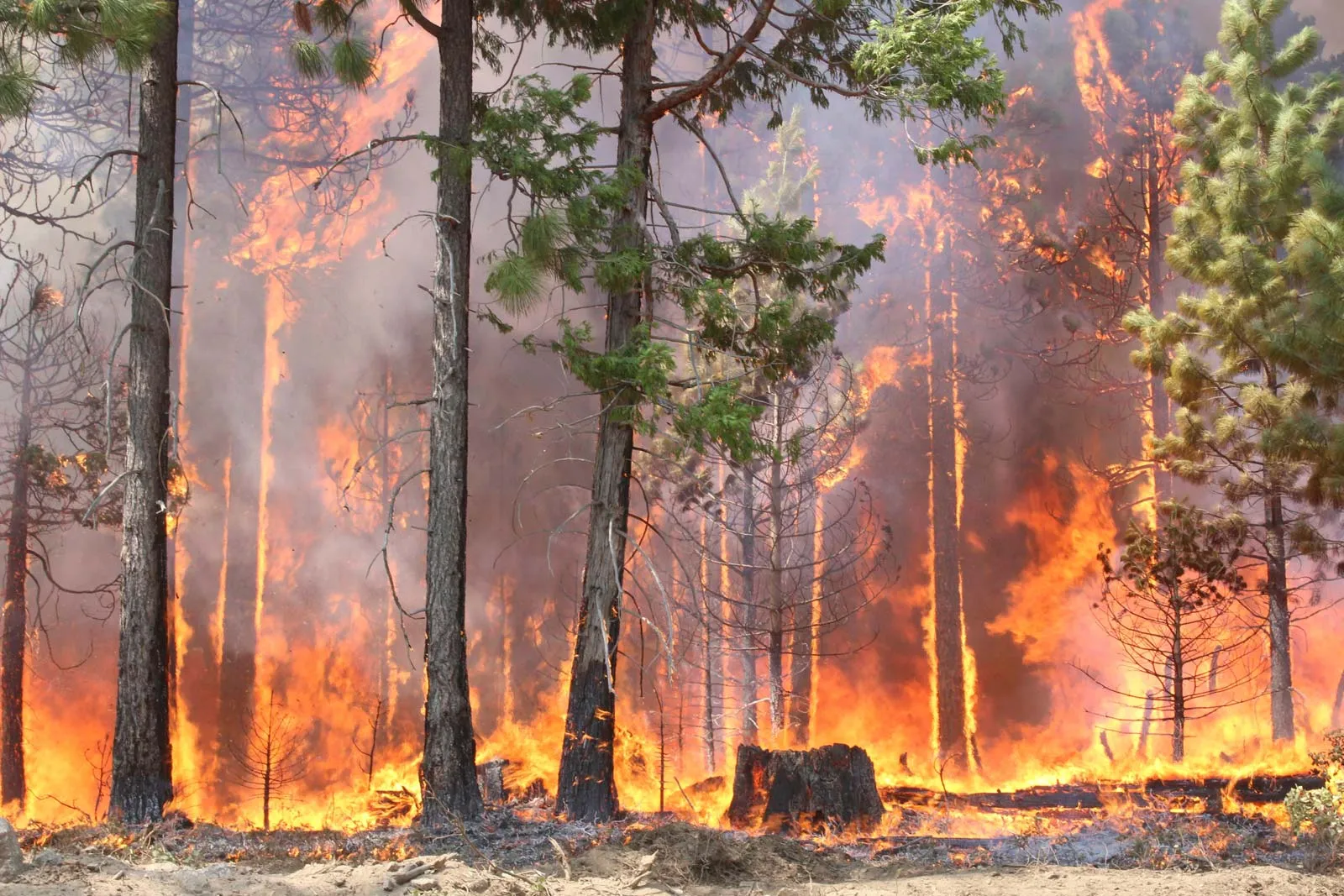
Reports highlight that Indonesia faces its worst wildfire season in a decade due to severe drought and prolonged dry spells intensified by a Super El Niño event. The fires generate toxic transboundary haze that degrades air quality across Indonesia and impacts Malaysia and Singapore.
Indonesia Wildfire Season:
| Dimension | Key Details |
|---|---|
| Climatic driver | A Super El Niño suppresses normal monsoon rainfall across Southeast Asia, leading to severe moisture deficits in Indonesia. |
| Affected ecosystems | Moisture deficits affect Indonesia's vast tropical forests and carbon-rich peatlands. |
| Peatland fire characteristic | Indonesian peatland fires burn beneath the surface in organic soil layers accumulated over thousands of years. |
| Peatland fire control | Underground peat fires are extremely difficult to extinguish. |
| Emissions from peat fires | Peat fires release massive quantities of sequestered carbon dioxide (CO2), particulate matter, and greenhouse gases into the atmosphere. |
| Transboundary haze | Unchecked blazes generate thick, toxic transboundary haze plumes that severely degrade air quality across Indonesia. |
| Countries impacted by haze | Transboundary haze impacts neighboring countries: Malaysia and Singapore. |
| Fauna threatened | Habitat destruction threatens endangered endemic fauna, including orangutans, Sumatran tigers, and local biodiversity. |
| Human-linked ignition factors | Agricultural burn-off practices combined with drought conditions exacerbate ignition points. |
| Locations | Ignition points are exacerbated across Kalimantan and Sumatra. |