|
World Puppetry Day on 21 March: UNIMA’s 2003 Initiative to Honour Puppeteers
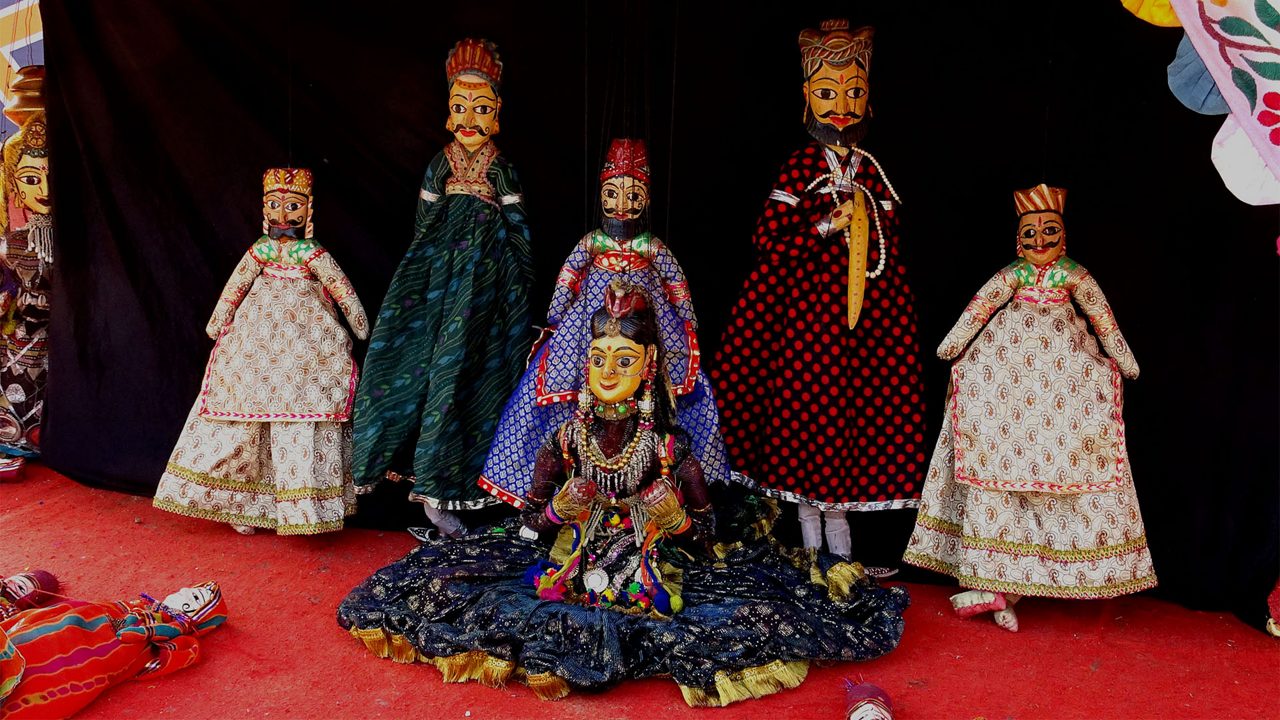
Families in Kathputli Nagar of Jaipur preserve Kathputli, described as one of Rajasthan’s oldest folk-art forms.
World Puppetry Day is celebrated on 21 March, and the day is established in 2003 by the Union Internationale de la Marionnette (UNIMA) as a tribute to puppeteers.
World Puppetry Day and Kathputli Puppetry (Rajasthan):
| Dimension | Key Details |
|---|---|
| Puppet | Puppet comprises an inanimate or representational figure animated or manipulated by a puppeteer. |
| Origins of puppetry | Origin evidence : Indus Valley Civilisation around 2500 B.C. (terracotta doll with detachable head); Egypt around 2000 B.C. (earliest evidence of puppets). |
| World Puppetry Day | Celebrated every year on 21 March. |
| Established under | 2003 by the Union Internationale de la Marionnette (UNIMA). |
| Kathputli nomenclature | Kath (wood) and Putli (doll). |
| Kathputli Type | String puppetry (marionettes). |
| Kathputli Material and Attire | String puppet carved from wood and dressed in bright, colourful costumes. |
| Manufactured in | Kathputli Nagar in Jaipur’s ‘Pink City’. |
| Themes | Folk tales, epics (Ramayana, Mahabharata), heroic ballads, and social messages. |
| Performance accompaniment | Dholak, harmonium, folk music, and narration. |
| Show elements | Humour, music, satire, and social reflection. |
| Cultural significance | Carrying Rajasthan’s cultural identity across generations. |