|
WHO Reports Review Health Taxes on Sugar-Sweetened Beverages and Alcohol Globally
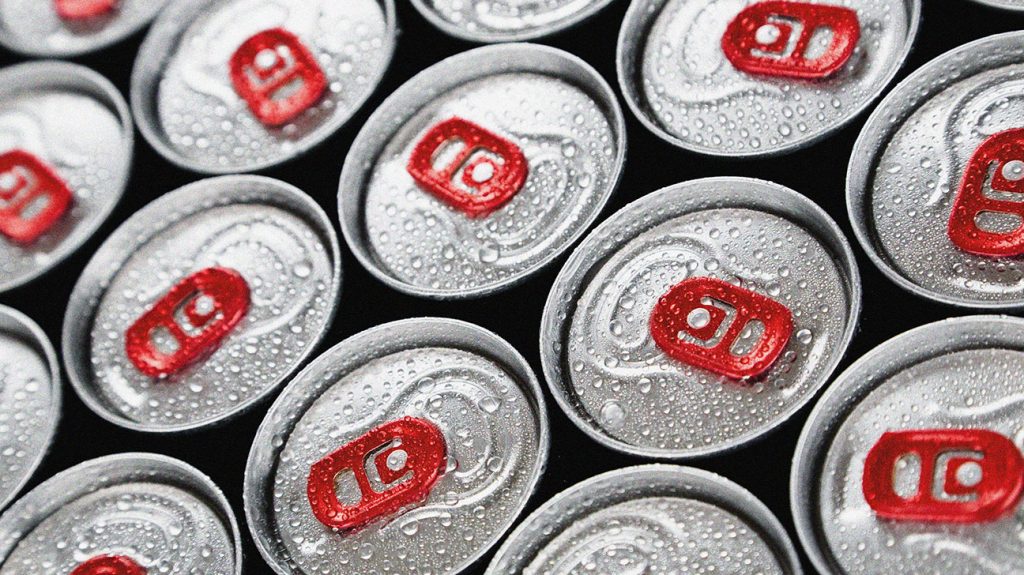
WHO releases two reports reviewing health taxes on sugar-sweetened beverages and alcohol globally. The reports highlight impacts of such taxes on consumption, non-communicable diseases, government revenue, and gaps in current tax coverage.
WHO Reports on Health Taxes for Sugar-Sweetened Beverages and Alcohol:
| Dimension | Key Details |
|---|---|
| Issuing authority | Both reports are released by WHO. |
| Products covered | Health taxes discussed apply to sugary drinks and alcohol. |
| Impact on consumption and health | Taxes can reduce consumption of harmful products (sugary drinks and alcohol), providing for prevention of non-communicable diseases. |
| Non-communicable diseases listed | Obesity, diabetes, cancer, cardiovascular diseases, mental disorders. |
| Fiscal aspect | Taxes can help raise resources for governments to invest in health. |
| Case study | UK tax on sugary drinks (2018) is associated with reduced sugar consumption, reduced obesity, and increased revenue. |
| Alcohol taxation issue | Alcohol has become more affordable in most countries even though most countries tax it, as taxes do not get adjusted for inflation and income growth. |
| Tax gaps for sugary drinks | While sugary drinks (example: carbonated drinks) are taxed, some products escape taxation: 100% fruit juices, sweetened milk, ready-to-drink coffees and teas. |