|
Visakhapatnam Emerges as India’s Third Subsea Cable Gateway
Andhra Pradesh, particularly Visakhapatnam, is emerging as a new international subsea cable gateway due to rapid data-centre and AI infrastructure development. Visakhapatnam is expected to become India’s third major subsea connectivity hub, after Mumbai and Chennai.
Visakhapatnam as Subsea Cable Gateway:
| Dimension | Key Details |
|---|---|
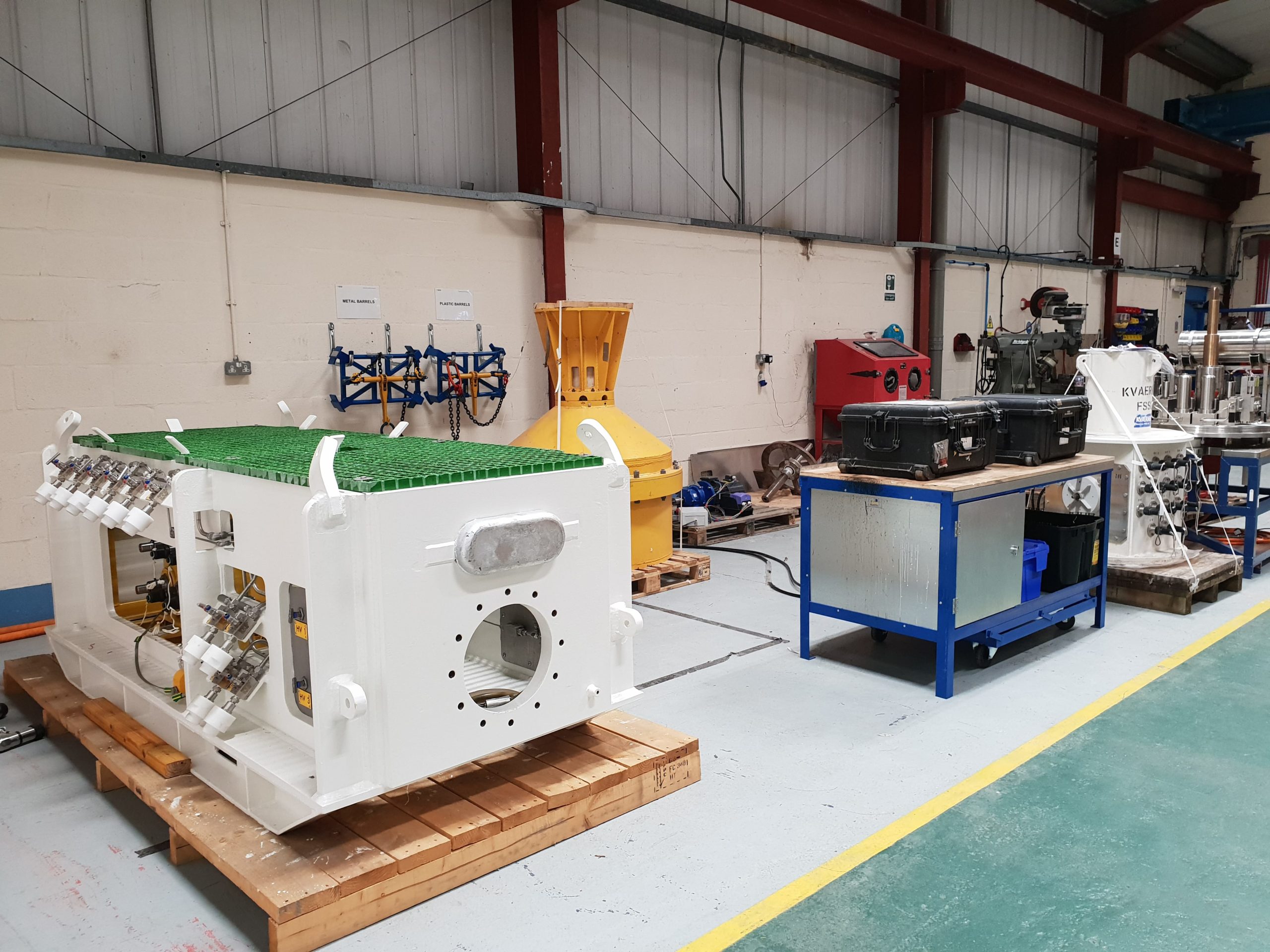
| Subsea hub | A subsea hub is a seabed facility used in offshore energy or telecommunications to distribute power, collect data, or manage fiber-optic network routing. |
| Operational feature | Subsea hub systems reduce reliance on surface platforms by placing heavy equipment directly on the ocean floor. |
| I-2SEA Submarine Cable System | The I-2SEA Submarine Cable System comprises a 3,600-km cable connecting Southeast Asia with India’s east coast. |
| I-2SEA companies involved | Companies involved comprise Microsoft, Lightstorm, Singtel, and other consortium partners. |
| I-2SEA landing locations | Landing locations comprise Visakhapatnam and Chennai. |
| I-2SEA expected service timeline | The I-2SEA system is expected to enter service in Q4, 2029. |
| America-India Connect | America-India Connect comprises Google’s global subsea cable system at Visakhapatnam. |
| Strategic diversification | Visakhapatnam’s gateway role provides for reduced dependence on existing Mumbai and Chennai cable gateways. |
| Geopolitical resilience | Visakhapatnam’s gateway role provides for an alternative route in case of disruptions in West Asia or other vulnerable routes. |
| Ageing east-coast cable infrastructure | Several existing east-coast cables are 8–15 years old, with capacity and end-of-life concerns. |
| Data-centre ecosystem | Andhra Pradesh and Telangana are attracting large investments in data centres and AI infrastructure. |
| International connectivity | International connectivity comprises direct links with Singapore, Malaysia, Australia, the Middle East, and Europe. |
| Terrestrial connectivity requirement | Subsea cables need extensive terrestrial fibre networks after reaching the shore. |
| Proposed terrestrial fibre corridors | Proposed corridors comprise Machilipatnam–Mumbai–Hyderabad and Chennai–Hyderabad–Mumbai. |
| Global optical fibre supply constraint | Rapid global AI expansion is creating shortages of optical fibre, raw materials, and fibre components. |
| Google’s Visakhapatnam Data Centre (workload focus) | Google’s Visakhapatnam Data Centre is primarily intended for AI inference, rather than energy-intensive AI training initially. |
| Google’s Visakhapatnam Data Centre (energy) | Google plans greater use of renewable energy. |
| Google’s Visakhapatnam Data Centre (target users) | The data centre’s focus comprises serving Indian enterprises and government agencies. |
| Google’s Visakhapatnam Data Centre (cooling) | Air-cooling technologies are being considered to minimise water consumption. |