|
Himachal Pradesh Crossbreeds Australian Merino With Gaddi Sheep
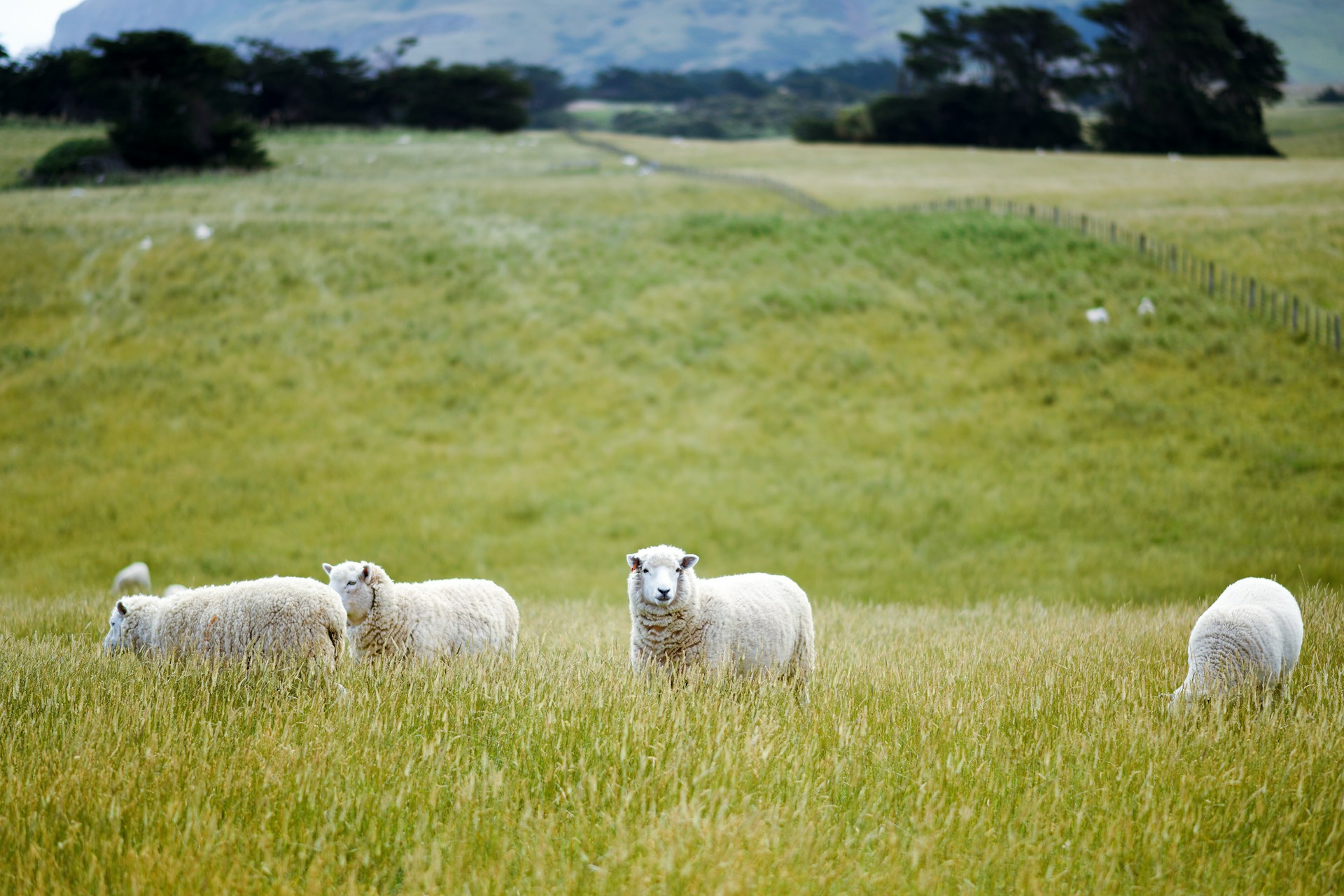
Himachal Pradesh introduces Australian Merino sheep and crossbreeds them with indigenous Gaddi/Pahari sheep to improve wool quality and production. The programme operates at the Government Sheep Breeding Farm, Nagwain, Mandi, and provides for raising the State’s wool production target to 3,000 tonnes by 2027.
Australian Merino-Gaddi Sheep Crossbreeding Programme:
| Dimension | Key Details |
|---|---|
| Initiation and scheme linkage | The programme is established under the National Livelihood Mission in 2021. |
| Imported Merino sheep | The programme comprises 240 imported Australian Merino sheep: 40 males and 200 females. |
| Method used | The programme provides for artificial insemination and crossbreeding of Merino with Gaddi/Pahari sheep. |
| Artificial insemination | Artificial insemination is a fertility treatment where sperm is placed directly into a woman's cervix or uterus to help achieve pregnancy without sexual intercourse. |
| Quantitative target | The programme provides for increasing Himachal Pradesh’s wool production from around 1,500 tonnes to 3,000 tonnes by 2027. |
| Stated objective | The programme provides for production of fine, soft, apparel-grade wool and improvement of pastoralists’ incomes. |
| Breed features | Australian Merino comprises traits of fine and soft wool and higher wool yield up to 4.5 kg, and requires relatively intensive management; Gaddi/Pahari comprises coarser wool around 27 microns, lower wool yield, and high adaptation to Himalayan terrain. |
| Gaddi sheep: pastoral and ecological linkage | Gaddi sheep comprises linkage to Gaddi pastoralism and transhumance, including seasonal movement between low and high altitudes and capacity to cover 10-15 km daily across rugged terrain. |
| Gaddi sheep: traditional use and knowledge | Indigenous Gaddi wool comprises use in traditional products such as pattu and unali coats, and represents mobile ecological and cultural knowledge. |
| Concerns | Concerns comprise possible loss of the indigenous Gaddi gene pool and traditional pastoral knowledge due to excessive crossbreeding; poor local adaptation of Merino under heavy rainfall, rugged terrain, and long-distance movement; health risks as dense wool retains moisture and increases infection risk; and livelihood concerns where higher crossbred wool prices displace indigenous breeds while poor markets and weak institutions limit incomes. |
| Measures | Measures comprise balancing crossbreeding with conservation to prevent excessive crossbreeding, monitoring crossbreds under actual pastoral and climatic conditions, improving Gaddi breeding and markets through better rams, cooperatives, and fair wool prices, and protecting Gaddi sheep as a genetic, ecological, and cultural resource. |