|
Union Cabinet Approves Bharat Maritime Insurance Pool for Indian-flagged vessels
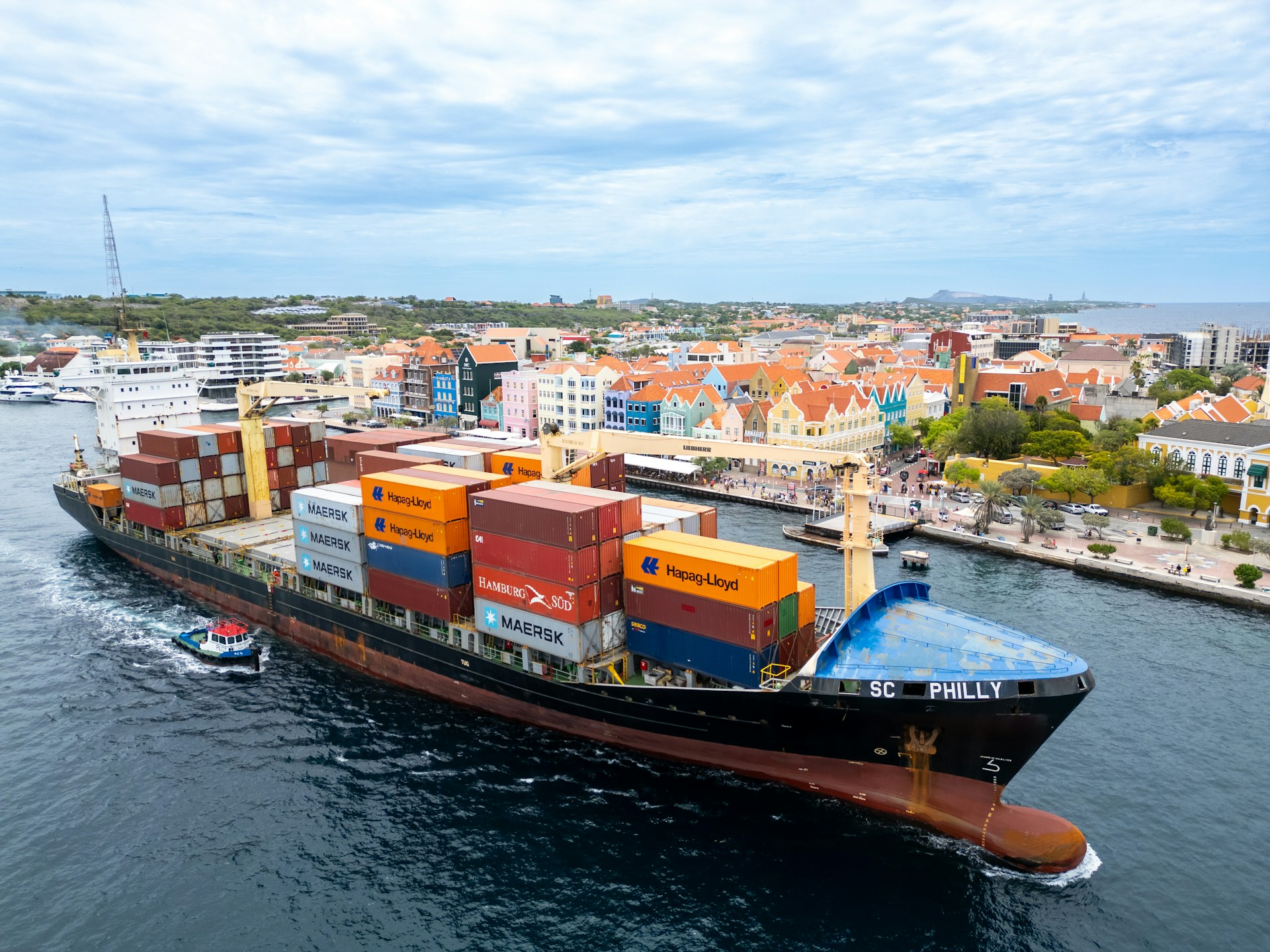
The Union Cabinet approves the creation of the Bharat Maritime Insurance Pool to provide continuous insurance coverage for Indian maritime vessels. It is currently relevant for strengthening domestic maritime risk coverage amid global geopolitical instability.
Bharat Maritime Insurance Pool:
| Dimension | Key Details |
|---|---|
| Approval | The Union Cabinet has approved the creation of the Bharat Maritime Insurance Pool. |
| Nature | The Bharat Maritime Insurance Pool is a government-backed insurance system for Indian-flagged and Indian-controlled maritime vessels operating domestically and internationally. |
| Policy Linkage | The Bharat Maritime Insurance Pool is part of India’s push for strategic self-reliance in maritime trade under Maritime India Vision 2030. |
| Objectives | The pool provides for operational continuity, strategic risk autonomy, reduced external vulnerability, maritime sovereignty, sanctions resilience, and Atmanirbharta in maritime financial services. |
| Coverage | The pool provides for hull and machinery insurance, cargo insurance, Protection and Indemnity cover, war risk insurance, and third-party liability coverage. |
| Third-Party Liabilities | Third-party liabilities comprise oil pollution, wreck removal, cargo damage, crew injury, and collision liabilities. |
| External Dependence | The pool reduces dependence on the International Group of Protection and Indemnity Clubs and foreign insurers for critical coverage. |
| Strategic Timing | The launch follows higher premiums or withdrawal of coverage by global insurers and disruptions in the Red Sea, Strait of Hormuz, and Gulf of Oman. |
| Trade Significance | India’s maritime sector handles 70% of trade by volume and 95% by value. |
| Insurance Buffer | The Bharat Maritime Insurance Pool provides affordable insurance during geopolitical crises. |
| UNCLOS | UNCLOS establishes the legal framework for maritime zones, navigation rights, resource management, and peaceful dispute resolution. |
| Supply Chain Impact | Conflicts increase risks of cargo loss, vessel damage, crew safety issues, higher insurance costs, logistics disruption, export cost escalation, and halted shipping operations. |