|
SKUAST-Kashmir Develops Shalimar Wheat-3 and Wheat-4 for Rice–Wheat Rotation
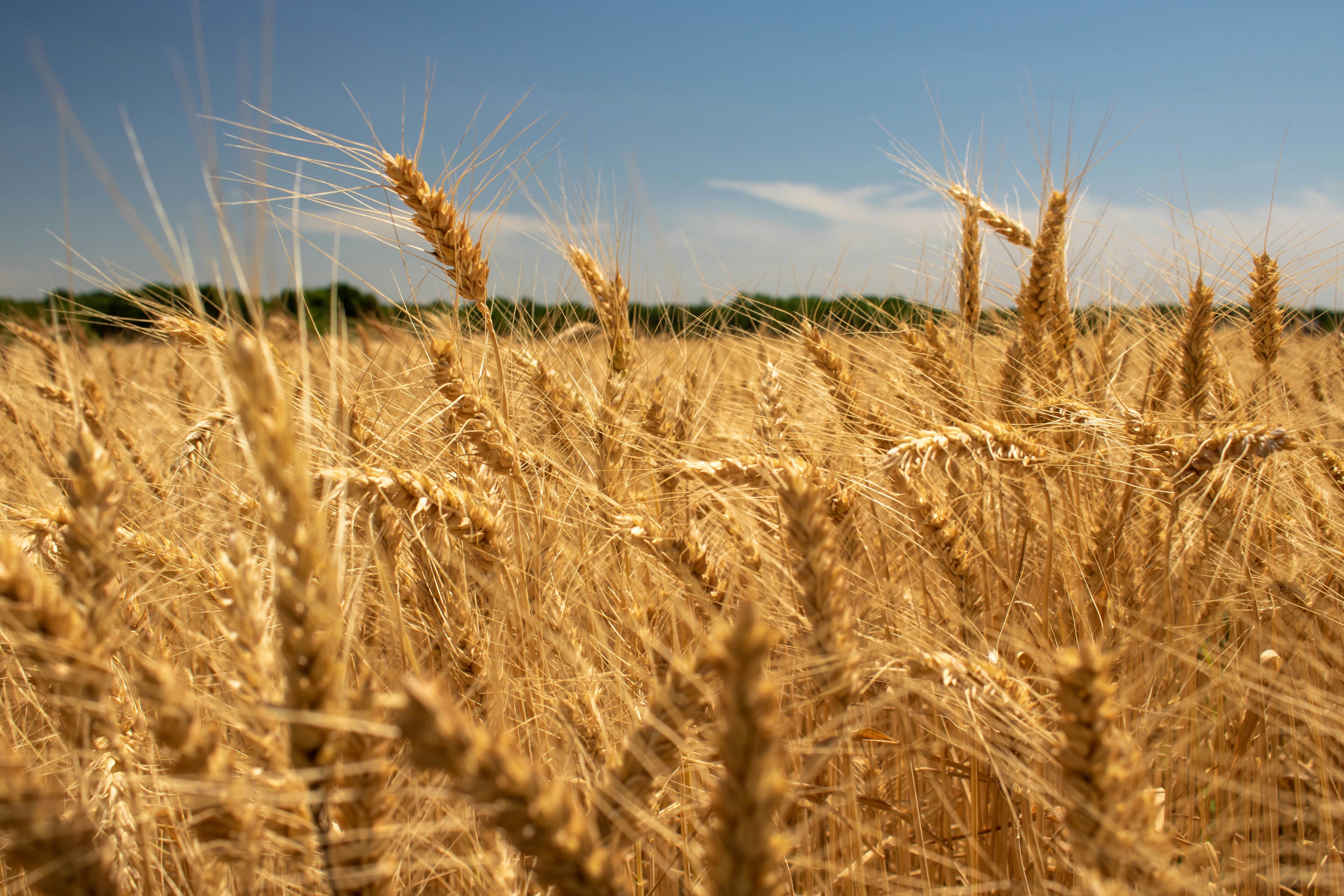
Scientists at SKUAST-Kashmir develop two new wheat varieties, Shalimar Wheat-3 (SW-3) and Shalimar Wheat-4 (SW-4), to stabilise the rice–wheat cropping cycle in Kashmir. The new varieties provide early maturity to fit rice–wheat rotation, where rice (dominant kharif crop in Kashmir) requires fields to be vacated by May–June.
Shalimar Wheat-3 (SW-3) and Shalimar Wheat-4 (SW-4):
| Dimension | Key Details |
|---|---|
| Current trigger | Scientists at SKUAST-Kashmir develop new wheat varieties to stabilise the rice–wheat cropping cycle in Kashmir. |
| Wheat crop season | Wheat is a rabi crop sown in October and harvested in early summer. |
| Problem in rice–wheat rotation (Kashmir) | Wheat varieties from sub-tropical regions matured late (June–July), disrupting rice–wheat rotation; rice is the dominant kharif crop in Kashmir and requires fields to be vacated by May–June. |
| New wheat varieties | Shalimar Wheat-4 (SW-4) and Shalimar Wheat-3 (SW-3). |
| Early maturity window | SW-4 matures by the last week of May; SW-3 matures by the first week of June. |
| Yield (SW-3) | SW-3 provides potential productivity of up to 38 quintals per hectare. |
| Cold tolerance | Agronomic traits and cold tolerance are similar to earlier wheat varieties. |
| Disease resistance | Resistant to yellow rust; yellow rust is a fungal disease-causing stunting and yield loss in Kashmir. |
| Biofortification (SW-3) | Iron and zinc content more than 40 ppm; protein content 12%. |
| Altitude suitability | Suitable for mid-altitude regions up to about 1,850 m above sea level. |
| Dual use | Wheat grown for grain and fodder; fodder use is important for winter livestock feed. |
| Development process | Developed through conventional breeding via cross-breeding and selection. |
| Testing process | Pedigree selection, multi-location testing, and farmer field trials. |
| Timeline | Development and validation took 9–10 years. |
| Significance | Enables timely rice transplantation; strengthens food security and farmer livelihoods; reduces rust-related crop losses; benefits remote farmers through seed distribution. |