|
HIV Capsid Confirmed as Drug Target Despite Resistance
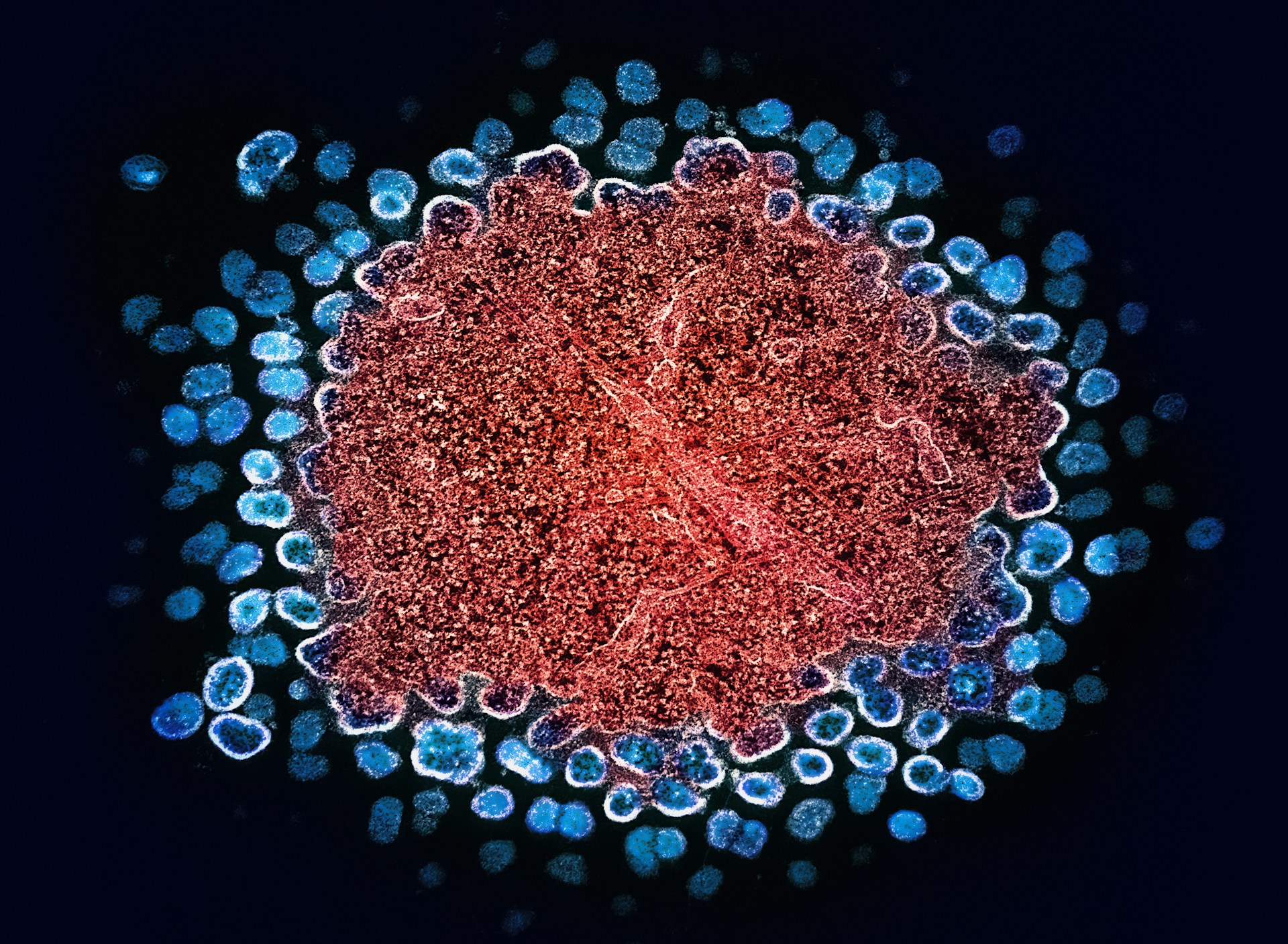
A recent study confirmed that the HIV capsid remains an effective drug target even when resistance develops. The finding reinforces the potential of the drug lenacapavir and supports development of new HIV treatments.
HIV Capsid and Lenacapavir:
| Dimension | Key Details |
|---|---|
| HIV | Human Immunodeficiency Virus is an RNA virus that attacks the human immune system and can lead to acquired immunodeficiency syndrome if untreated |
| Genetic Nature of RNA Viruses | RNA viruses mutate rapidly and evolve quickly during replication |
| Mutation Process | HIV mutates rapidly during conversion of viral RNA into DNA creating multiple variants |
| Mutation Concept | Mutation is a permanent change in the genetic material of a cell or microorganism |
| HIV Capsid | Capsid is a protective protein shell surrounding the viral RNA |
| Capsid Importance | Capsid forms a unique three dimensional structure necessary for survival of the virus |
| First HIV Drug | Zidovudine developed in 1987 targeted the reverse transcriptase enzyme |
| Drug Resistance | Virus developed resistance to early drugs by mutating targeted regions |
| Combination Therapy | Antiretroviral therapy targets multiple viral proteins including reverse transcriptase protease and integrase |
| Capsid Mutation Effect | Many mutations in capsid protein damage the virus and prevent infection of cells |
| Lenacapavir | Capsid based HIV inhibitor approved by the United States Food and Drug Administration in 2025 |
| Drug Mechanism | Low water solubility allows formation of a slow release reservoir under the skin enabling six month action from a single injection |
| Resistance Pattern | Resistance mainly develops when lenacapavir is used alone |
| Combination Use | When used with other active HIV drugs the virus remains well controlled |
| Efficacy | Lenacapavir showed 100 percent effectiveness in preventing HIV infection in high risk individuals |
| Impact on Virus | Drug resistant viruses multiply at only 20 to 30 percent of their normal rate when treated with lenacapavir in combination therapy |