|
Russula griseopurpurata: New mushroom species identified
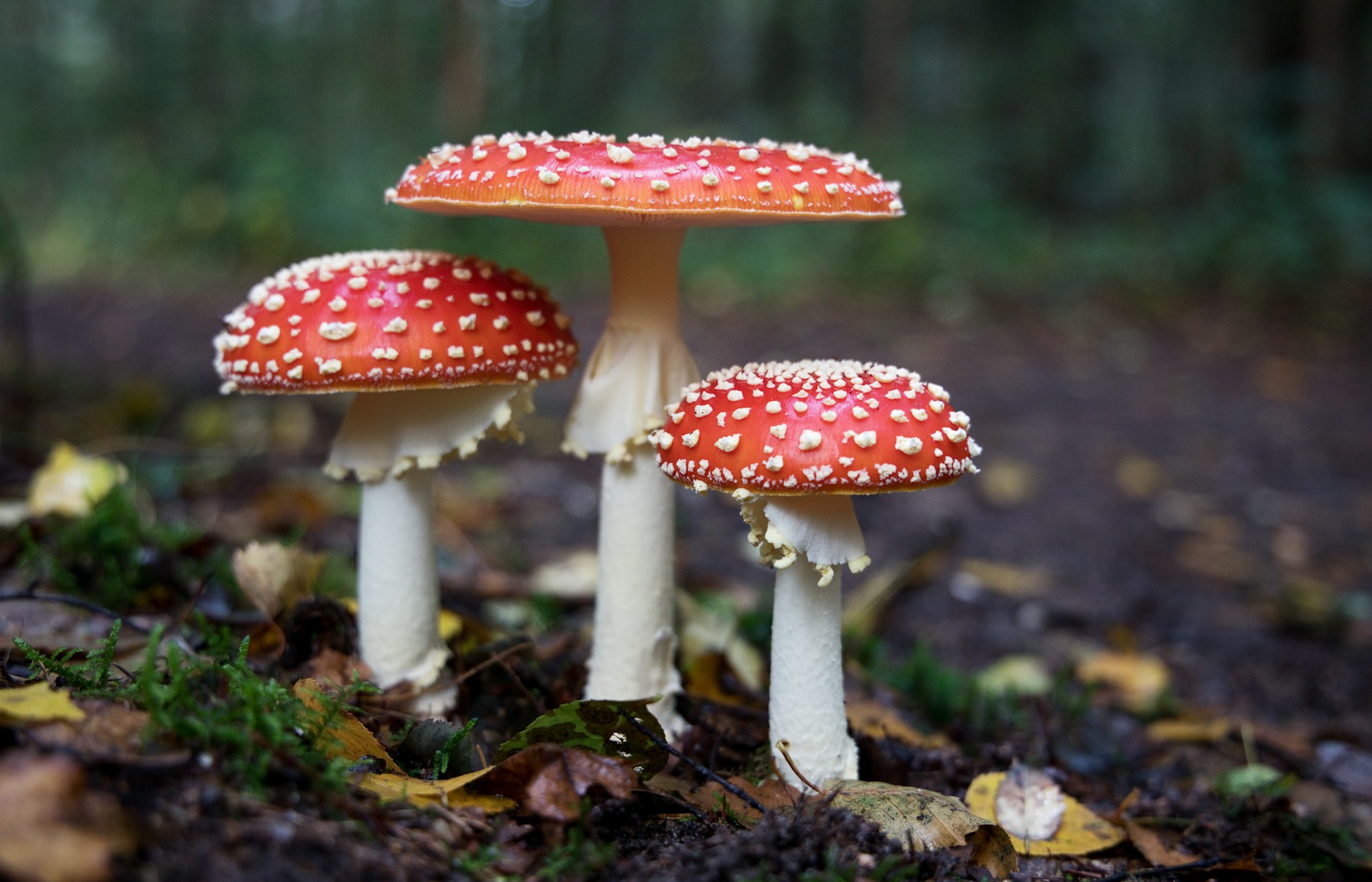
A mushroom collected beneath a sal tree in Meghalaya’s Ri Bhoi district in 2022 is identified as a species new to science. The species is named Russula griseopurpurata, and its identity is established using microscopic examination, DNA sequencing, and phylogenetic analysis.
Russula griseopurpurata:
| Dimension | Key Details |
|---|---|
| Species name reference | The species name refers to its greyish-purple colour. |
| Genus | The mushroom belongs to the Russula genus. |
| Russula genus diversity | The Russula genus comprises about 2,000 species worldwide, with more than 180 species documented in different parts of India. |
| Recorded locations | The species has so far been recorded from Meghalaya and West Bengal. |
| Elevation | It is found at an elevation of 320 metres. |
| Supporting tree | It is found growing beneath Shorea robusta, commonly known as sal. |
| Field occurrence pattern | The mushrooms are found singly or in scattered groups beneath sal trees. |
| Macroscopic appearance | The mushroom has a greyish-purple cap that develops cracks as it matures, and its gills show characteristic forkings near the stalk. |
| Specimens examined | The study examines 3 specimens: 2 from West Bengal and 1 from Meghalaya. |
| Deposited specimen and sequence | The Meghalaya specimen, deposited under number GUBH 20331, generates an ITS sequence recorded as PQ432811 and is included in the phylogenetic analysis. |
| Phylogenetic result | The 3 specimens group together with strong statistical support, supporting their identification as the same species. |
| Edibility status | Researchers have not established R. griseopurpurata as edible, and its reported mild taste and odour do not constitute a food-safety assessment. |