|
Assam Releases Captive-Bred Slender-Billed Vultures at Kaziranga
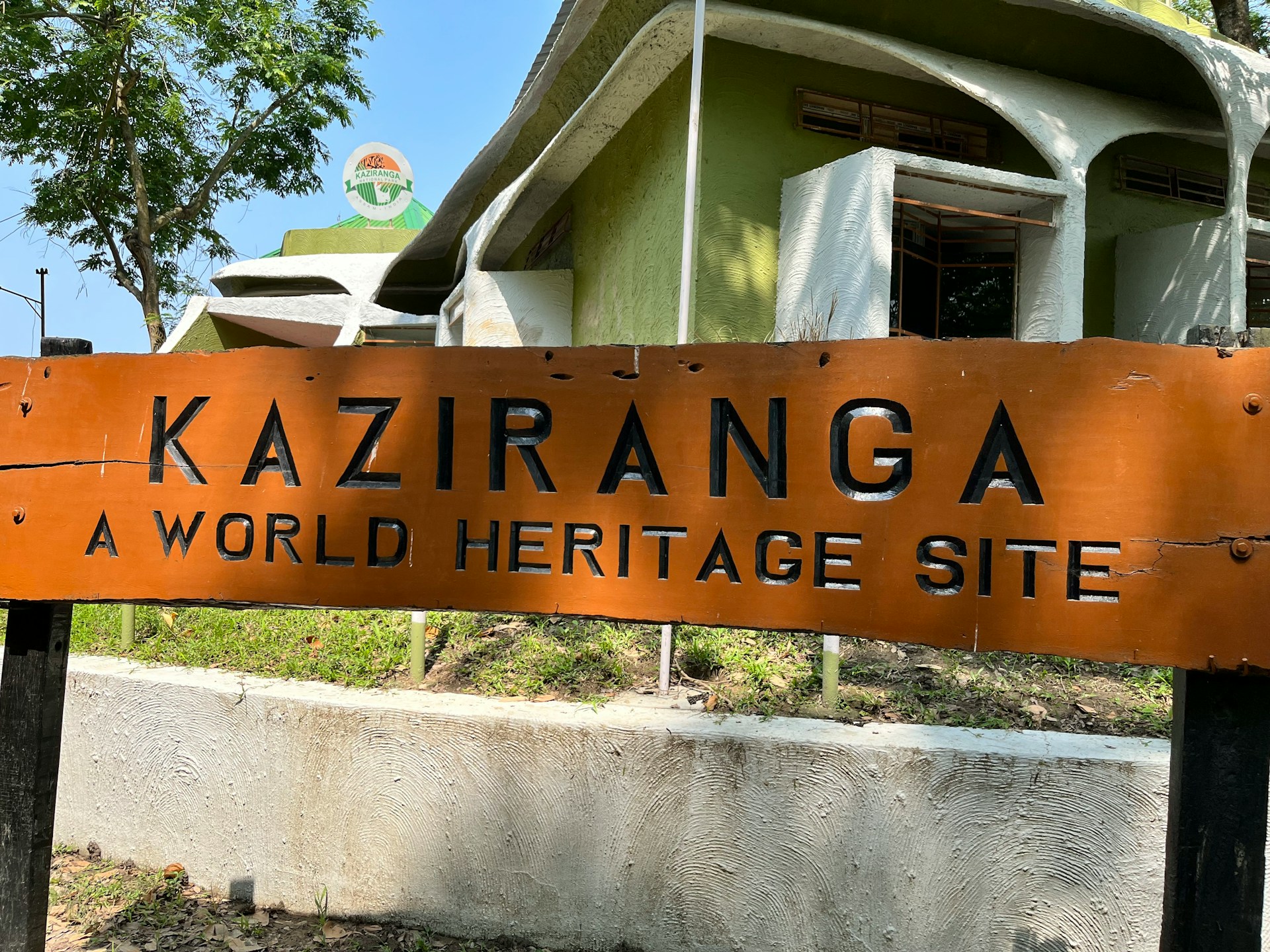
Assam records the world’s first-ever release of captive-bred slender-billed vultures (Gyps tenuirostris). Five captive-bred vultures from the Bombay Natural History Society (BNHS) conservation facility in Assam are released at the Jatayu Soft Release Centre in Kaziranga National Park and Tiger Reserve.
Captive-Bred Slender-Billed Vultures Release:
| Dimension | Key Details |
|---|---|
| Population decline (India) | The population of Gyps vultures in India has declined by 99% over the last 20 years due to the use of veterinary painkillers. |
| Drug ban | The Centre bans four veterinary painkiller drugs: diclofenac, aceclofenac, ketoprofen, and nimesulide. |
| Threat in Assam | Pesticide poisoning remains a threat to vultures in Assam. |
| Distribution | The slender-billed vulture is an Old-World vulture species native to sub-Himalayan regions and Southeast Asia. |
| IUCN status | The slender-billed vulture is Critically Endangered since 2002. |
| Taxonomic naming note | The slender-billed vulture is used to be the Indian vulture under the name “long-billed vulture”. |
| Distinction from Indian vulture | The Indian vulture is found only to the south of the Ganges and breeds on cliffs, while the slender-billed vulture is found along and nests in trees. |
| Distribution (India) | The slender-billed vulture is found in India from the Gangetic plain north, west to Himachal Pradesh, south potentially as far as northern Odisha, and east through Assam. |
| Movement | Slender-billed vultures typically are sedentary birds, and do not tend to travel large distances nor migrate for any reason. |
| BNHS profile | Bombay Natural History Society (BNHS), founded in 1883, is one of the largest non-governmental organisations in India engaged in conservation and biodiversity research. |
| Asian Waterbird Census | The Asian waterbird census is an annual exercise undertaken in India by BNHS in association with Wetlands International, and it is a part of the International waterbird census. |
| BNHS and BirdLife International | BNHS is the partner of BirdLife International in India. |
| BirdLife International | It is a global partnership of non-governmental organizations that strives to conserve birds and their habitats, and it is the official International Union for Conservation of Nature's Red List authority for birds. |
| BirdLife International programmes | BirdLife International has 9 conservation programmes implemented across Africa, the Americas, Asia, Europe and Central Asia, the Middle East and the Pacific; these include the Important Bird and Biodiversity Areas Programme, Marine Programme, Preventing Extinctions Programme, and Flyways Programme. |
| Wetlands International | It is a global organisation that works to sustain and restore wetlands and their resources for people and biodiversity, and it is supported by government and NGO membership from around the world. |