|
Rotterdam Convention CRC-22 Adopts DGD on Methyl Parathion
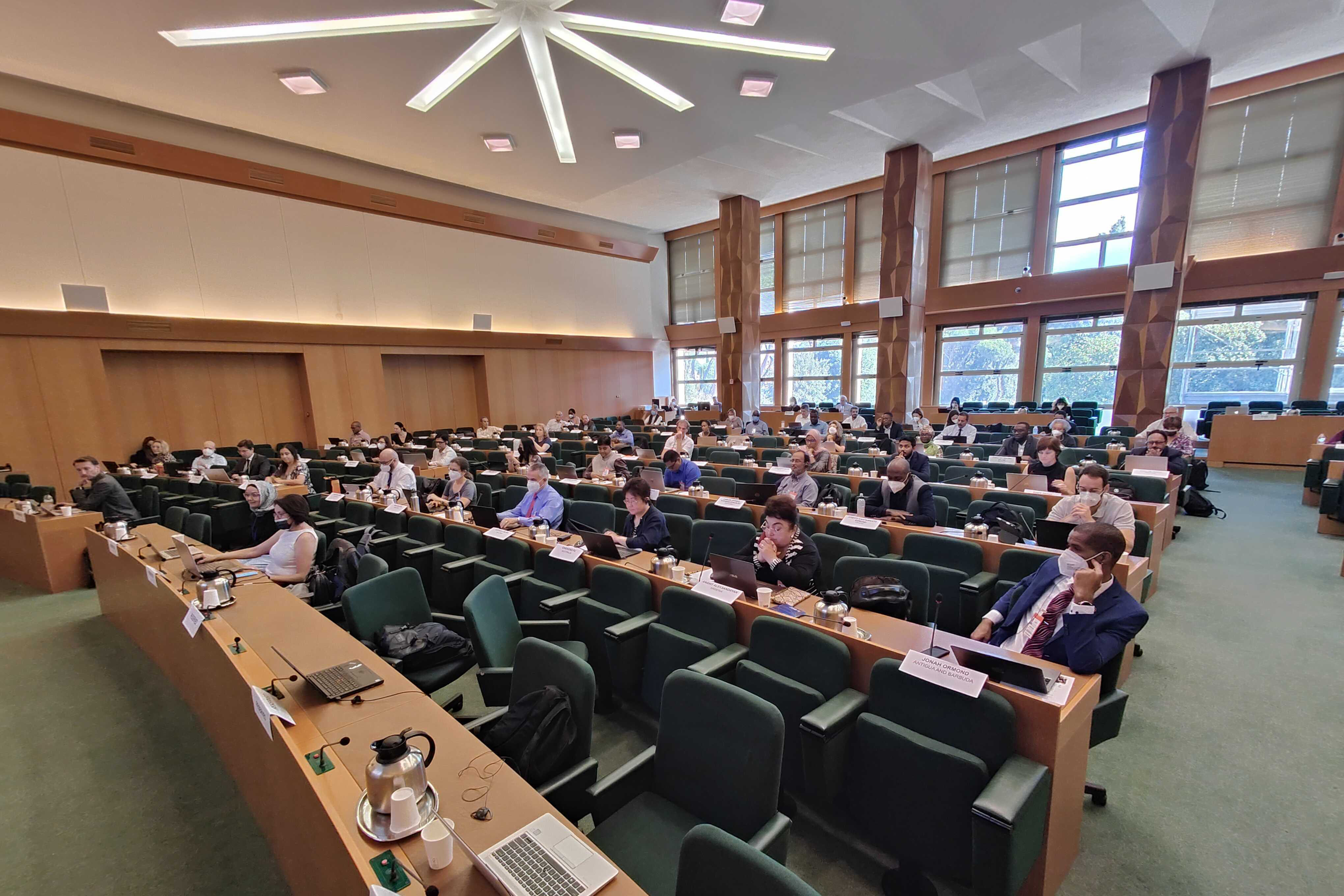
The Chemical Review Committee (CRC) under the Rotterdam Convention adopts a Decision Guidance Document (DGD) concerning methyl parathion at its 22nd meeting in Rome, Italy. The DGD is forwarded to the Conference of the Parties (COP) for final consideration, and if approved, methyl parathion becomes subject to the Prior Informed Consent (PIC) procedure.
Rotterdam Convention and Decision Guidance Document:
| Dimension | Key Details |
|---|---|
| Implication if approved by COP | If approved, methyl parathion becomes formally subject to the Prior Informed Consent procedure. |
| Health concerns | Exposure to methyl parathion may result in adverse health effects: behavioural changes, respiratory depression, respiratory paralysis, coma, death, intermediate syndrome, delayed polyneuropathy, reproductive-system damage, and mutagenic effects. |
| Action by Brazil | Brazil provides for a complete ban on production, use, sale, import, and export of products containing methyl parathion. |
| Action by the European Union | The European Union mandates that sale and use of plant protection products containing methyl parathion are not permitted. |
| Convention name | The Rotterdam Convention comprises the Prior Informed Consent Procedure for Certain Hazardous Chemicals and Pesticides in International Trade. |
| Adoption and entry into force | The Rotterdam Convention is adopted on 10 September 1998 and enters into force on 24 February 2004. |
| Objective | The Convention provides for promoting shared responsibility and cooperative efforts in the international trade of certain hazardous chemicals and pesticides. |
| Legal status | The PIC procedure is a legally binding obligation for member nations. |
| PIC procedure functions | The PIC procedure aims to: facilitate information exchange; promote information sharing about hazardous chemicals; enable countries to make informed decisions about imports; communicate those decisions to exporting Parties; and contribute to environmentally sound use of chemicals. |
| What the Convention does not mandate | The Rotterdam Convention does not mandate a universal ban on every listed chemical. |
| Mechanism established by the Convention | The Convention establishes a mechanism to facilitate information exchange, notification procedures, informed decision-making, and international cooperation. |