|
Rare solitary bee recorded first time in India at Tawang, Arunachal Pradesh
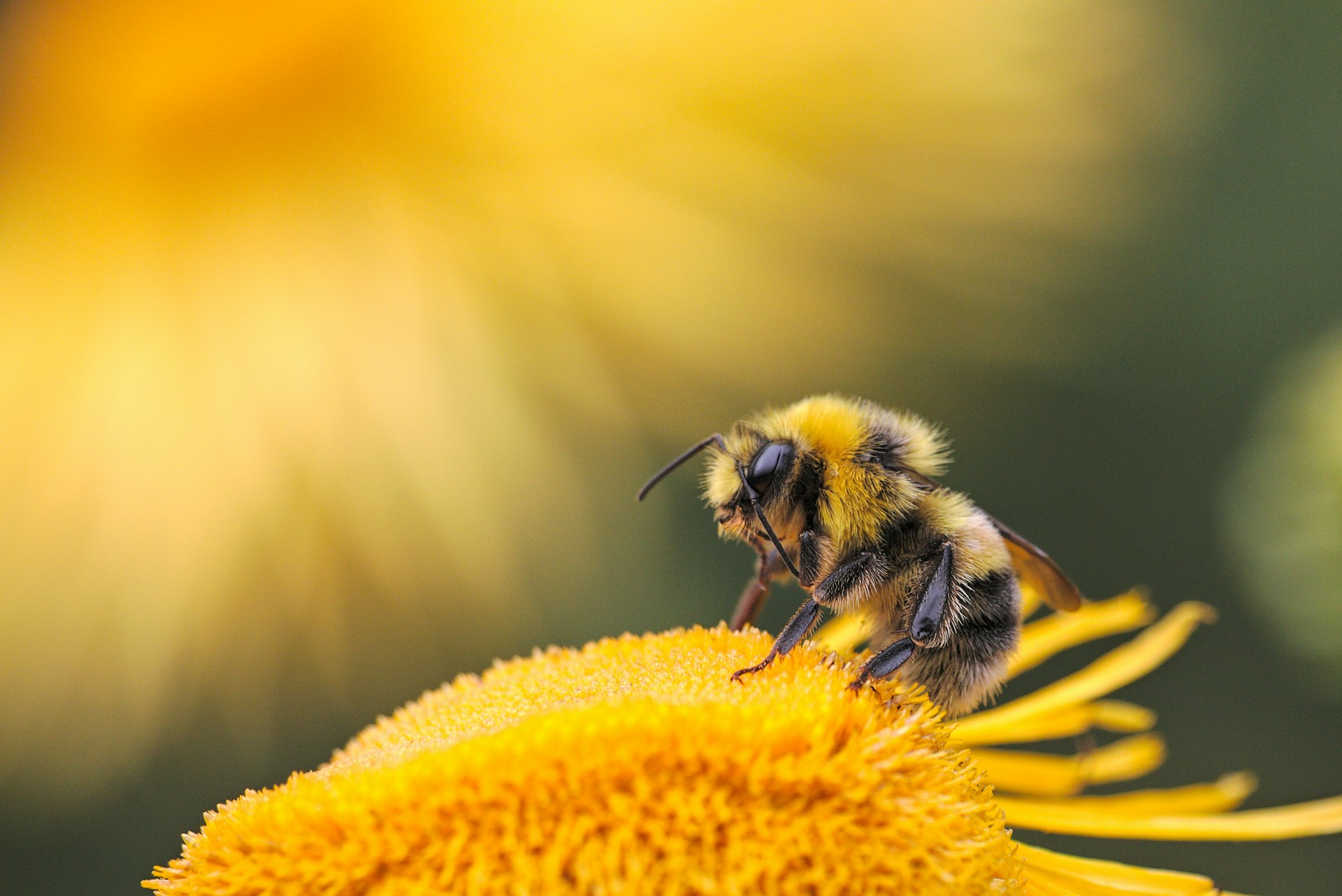
Scientists record the rare, solitary Himalayan bee Colletes bhutanicus in India for the first time. The species is recorded in Tawang district, Arunachal Pradesh, at elevations between 1,500 and 3,800 m.
Colletes bhutanicus (Solitary Himalayan bee):
| Dimension | Key Details |
|---|---|
| Genus | The species belongs to the genus Colletes. |
| Colony and nesting behaviour | Unlike honeybees, Colletes bees generally do not live in large colonies or hives, and individual females construct and occupy their own nests. |
| Earlier known distribution | Before its Indian record, the species is known from Bhutan and China, including the Xizang (Tibet) region. |
| Ecological role | The species serves as an important pollinator. |
| Plants visited (observations) | Researchers observe the bee visiting 25 species of flowering plants, including mustard, buckwheat, coriander, beans, chilli, and eggplant. |
| Interaction with vegetation types | The observed plant visits indicate interaction with both wild vegetation and cultivated crops. |
| Importance of solitary bees (pollination mechanism) | While collecting pollen and nectar, solitary bees transfer pollen between flowers, which facilitates plant reproduction. |
| Importance of solitary bees (agriculture) | Solitary bees can contribute to the productivity of flowering crops. |
| Native pollinators | Native pollinators are particularly important for maintaining ecosystem functioning and agricultural productivity. |