|
Rani Lakshmibai Death Anniversary
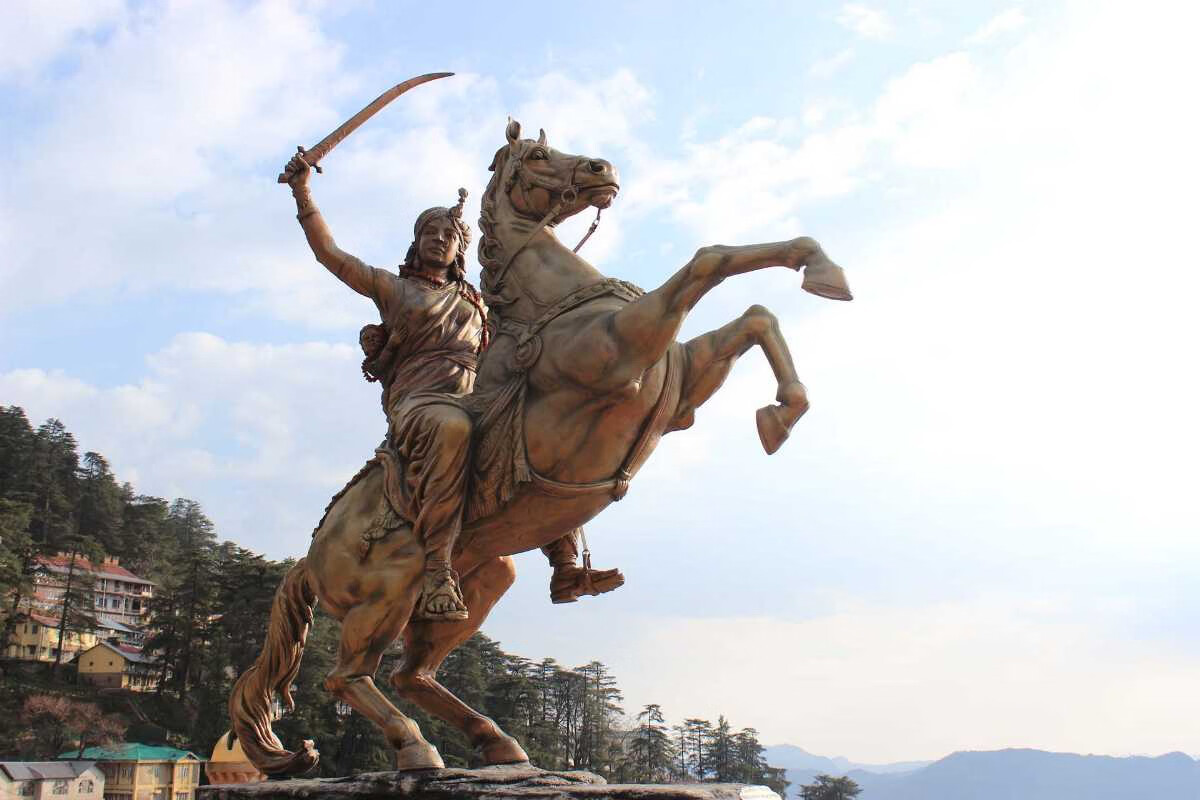
Rani Lakshmibai is remembered on her death anniversary (June 18) for her historical legacy. The news highlight lists key biographical details, her role in the Revolt of 1857, and later nationalist and literary recognition.
Rani Lakshmibai (Jhansi):
| Dimension | Key Details |
|---|---|
| Birth name and birth details | Her birth name is Manikarnika Tambe, and she is born on 19 November 1828 in Varanasi. |
| Training | She is trained in martial arts, swordsmanship, horsemanship, and fencing. |
| Marriage | She marries Maharaja Gangadhar Rao Newalkar of Jhansi in 1842 at the age of 14. |
| Adopted son | Her adopted son is Damodar Rao. |
| Death and burial | She dies on 18 June 1858 in Gwalior at age 29, and her burial is at Phoolbagh Maidan, Gwalior. |
| Doctrine of Lapse | The Doctrine of Lapse holds that if a ruler of a princely state under British suzerainty dies without a natural male heir, the state lapses and is annexed, and adopted heirs are not recognized. |
| Doctrine of Lapse: introduction | The Doctrine of Lapse is introduced by Lord Dalhousie. |
| Annexation of Jhansi (as described) | Jhansi is annexed after Gangadhar Rao’s death when Damodar Rao’s claim is rejected. |
| Role in Revolt of 1857 | She reorganises her forces and fights the colonialists, and she loses the battle and her life in the Revolt of 1857. |
| Revolt of 1857: timeline (as stated) | The Revolt of 1857 starts on May 10, 1857, and officially ends on July 08, 1859. |
| Nationalists’ recognition | Oral traditions and folklore transform her into India’s greatest heroine. |
| Literary works mentioned | Works referenced include: Rabindranath Tagore’s Jhansir Rani (1877); Subhadra Kumari Chauhan’s poem Jhansi ki Rani (1930); Vrindavan Lal Verma’s novel (1946); Mahasweta Devi’s Jhansi Rani (1956). |
| Observation in nationalist writings | Prachi Deshpande observes that she is portrayed as idealised Indian womanhood in nationalist writings. |
| INA connection | Subhas Chandra Bose names the women’s regiment of the Indian National Army as the Rani of Jhansi Regiment. |