|
Prime Minister Narendra Modi Pays Tribute to Lala Lajpat Rai on Birth Anniversary
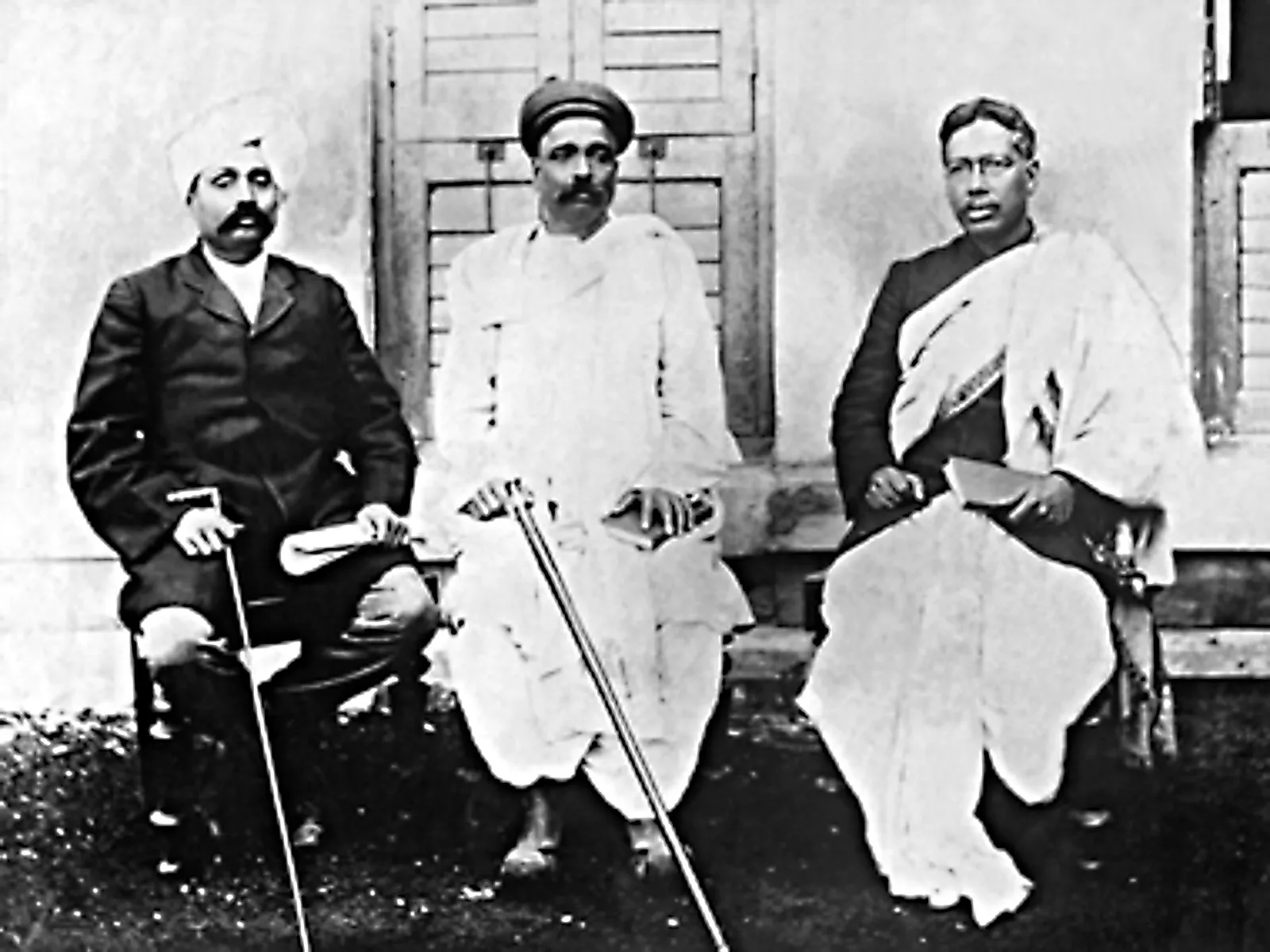
Prime Minister Narendra Modi pays tributes to Lala Lajpat Rai on his birth anniversary. The occasion brings focus on key factual aspects of Lala Lajpat Rai’s life, role in the freedom struggle, and associated organisations and works.
Lala Lajpat Rai:
| Dimension | Key Details |
|---|---|
| Birth details | Born on 28 January 1865; place of birth comprises Ludhiana district, Punjab. |
| Parents | Father: Shri Radha Kishan (teacher of Urdu and Persian); Mother: Smt. Gulab Devi. |
| Early activism | In 1882, joined the Arya Samaj; Arya Samaj comprises being founded by Swami Dayanand Saraswati. |
| Ideology | Advocated militant nationalism; believed in self-reliance, self-help, Swadeshi, and Swaraj as India’s birthright. |
| Freedom struggle association | Being part of the Lal-Bal-Pal trio. |
| Swadeshi Movement | Promoted Swadeshi in Punjab; encouraged local goods and self-reliance. |
| Opposition to British policies | Opposed British economic policies comprising the Punjab Colonisation Act and irrigation rate hikes. |
| Political representation (1905) | Represented Indian grievances before the British public in England (1905) along with Gopal Krishna Gokhale; highlighted the plight of “half-starving and half-dying people of India.” |
| WWI period advocacy | During WWI, in the USA, countered British propaganda and raised awareness about colonial oppression. |
| Organisation founded (1916) | Founded the Indian Home Rule League of America (1916) to support Home Rule and promote Indo-American relations. |
| INC role | Elected as President of the Indian National Congress in 1920 (Calcutta session). |
| Non-Cooperation Movement | Advocated the Non-Cooperation Movement after the Jallianwala Bagh massacre. |
| Simon Commission (1928) | Led boycott and protest against the all-white Simon Commission (1928); injured during a lathi-charge in Lahore; injuries led to his death. |
| Arya Samaj role | Became a leading member; made it a platform for social service. |
| Famine & disaster relief | Provided relief during famines (1896, 1899–1900, 1907–08) and the Kangra earthquake (1905). |
| Untouchability abolition | Supported Harijan upliftment and abolition of untouchability; funded schools and purchased land to establish homes and schools for the depressed classes. |
| Education | Associated with DAV College; emphasized education as a foundation for national development. |
| Women & child welfare | Worked for women’s upliftment and orphanages for destitute children. |
| Popular titles | Populary known as Punjab Kesari (Lion of Punjab) and Sher-e-Punjab. |
| Literary works | Works comprise Unhappy India, Young India, England's Debt to India, and The Story of My Deportation. |