|
PMKKKY for Mining-Affected Areas
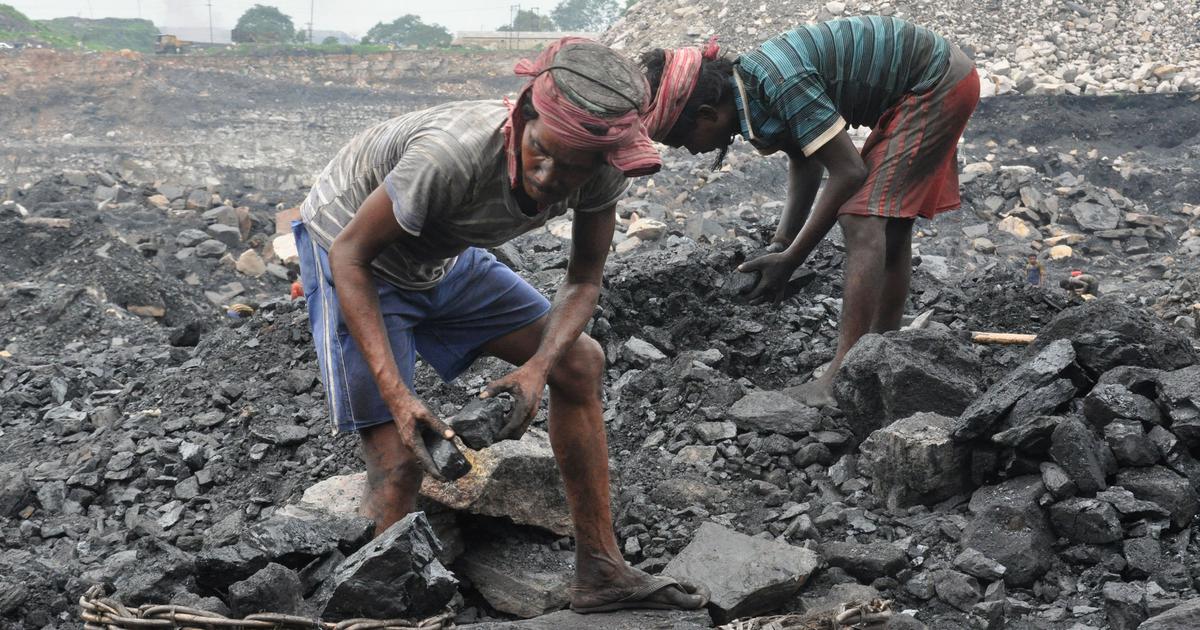
Pradhan Mantri Khanij Kshetra Kalyan Yojana (PMKKKY) is in the news in relation to welfare measures for mining-affected areas. The scheme provides for minimum standards of social and physical infrastructure for people in mining-affected districts, using District Mineral Foundation (DMF) funds.
Pradhan Mantri Khanij Kshetra Kalyan Yojana:
| Dimension | Key Details |
|---|---|
| Launch | PMKKKY has been launched in 2015. |
| Objectives | PMKKKY provides for three objectives: complementing existing ongoing schemes of State and Central Government through developmental and welfare projects in mining-affected areas; mitigating adverse impacts during and after mining on the environment, health, and socio-economics of people in mining districts; ensuring long-term sustainable livelihoods for affected people in mining areas. |
| Implementation mechanism | PMKKKY is implemented by the District Mineral Foundations (DMFs) of the respective districts using the funds accruing to the DMF. |
| Legal basis | The Mines and Minerals (Development and Regulation) Act, 1957 mandates States to incorporate PMKKKY into their DMF rules. |
| Fund utilisation: High Priority areas | At least 60% of funds applies to High Priority areas: drinking water supply, environment preservation and pollution control measures, health care, education, and welfare of women and children. |
| Fund utilisation: Other Priority areas | Up to 40% of funds applies to Other Priority areas: physical infrastructure, irrigation, energy and watershed development, and any other measures for enhancing environmental quality in mining districts. |