|
Ladakh Administration Plans Tso Kar Lake Revival
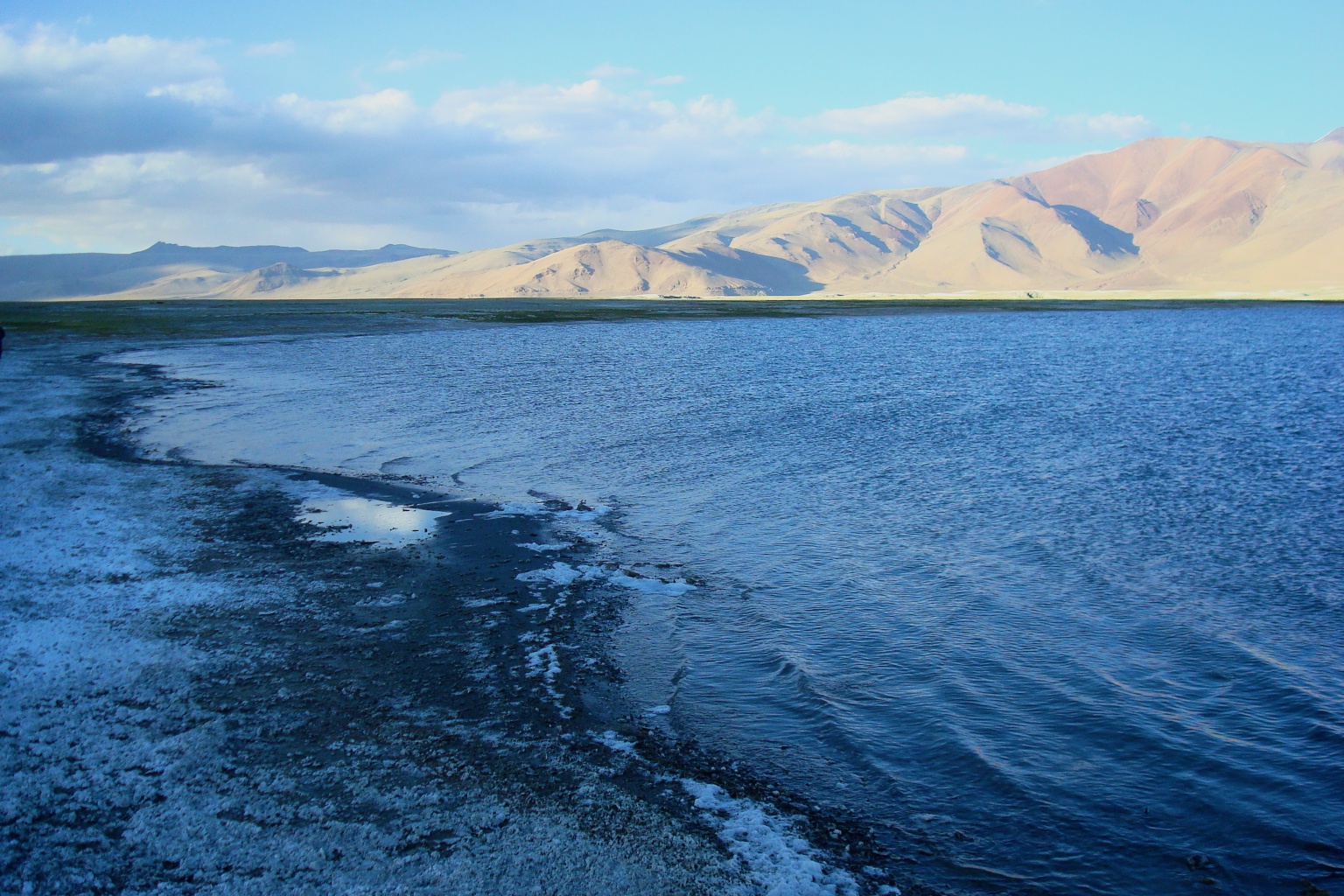
The Ladakh administration launches a project to revive and restore the shrinking Tso Kar Lake by diverting nearly 320 million litres of untapped glacier water daily. The diversion is planned from the glacial stream Rupsho Kharnak, and the project is linked to restoration of the lake’s wetland system.
Tso Kar Lake:
| Dimension | Key Details |
|---|---|
| Name and meaning | Tso Kar means “White Lake” in Ladakhi. |
| Type and location | Tso Kar is a high-altitude salt lake located in the Rupshu Valley of Ladakh. |
| Elevation | Tso Kar is located at an elevation of approximately 15,280 feet (4,660 meters). |
| Regional comparison | Tso Kar is the smallest of the three prominent lakes in the region, alongside Pangong Tso and Tso Moriri. |
| Saline characteristic | The lake’s name derives from the white salt deposits that fringe its shores, remnants of its saline nature. |
| Wetland system | The Tso Kar basin comprises Tso Kar Lake and Startsapuk Tso, creating a wetland system that includes a nearby freshwater lake. |
| Climate | The area experiences extreme winters with temperatures falling below -40°C, while summers see a maximum of 30°C. |
| Inhabitants and livelihood | Nomads commonly known as Khampas inhabit the Tso Kar area and make a living by collecting salt from the banks of Tso Kar Lake and selling it to nearby regions. |
| Avifauna | The marshlands host birds such as Brahmi Ducks, bar-headed geese, and great crested grebe; black-necked cranes are the most commonly spotted and visit the lake to lay eggs. |
| Mammals | Mammals spotted in and around the lake include Kianga (the largest of the wild asses), ibex, snow leopards, and snow foxes. |
| Ramsar status | Tso Kar has been recognized as a Wetland of International Importance under the Ramsar Convention in 2020. |