|
JALDI Initiative Releases Judicial Transparency Index
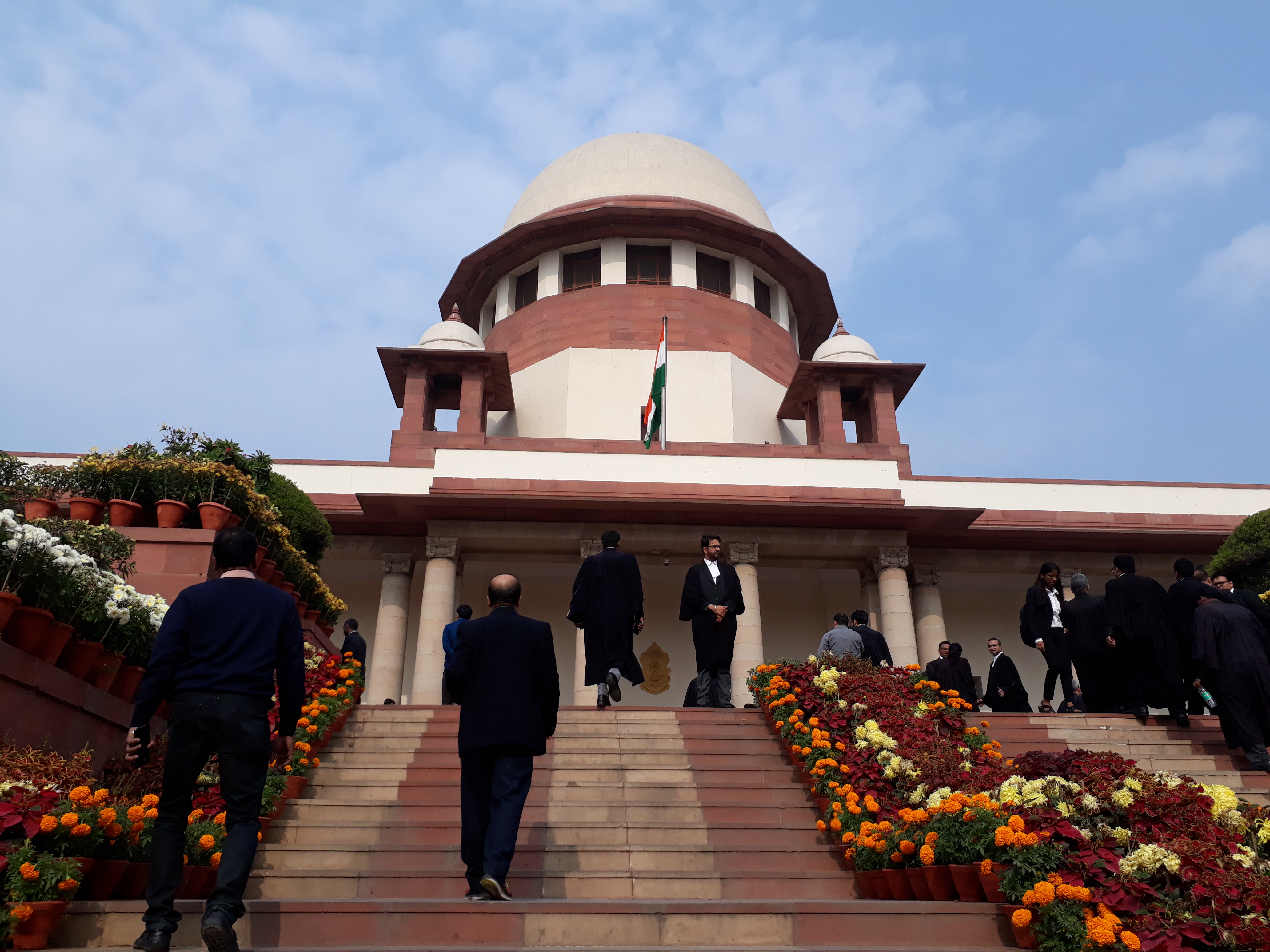
The Justice Access and Lowering Delays in India (JALDI) Initiative releases the Judicial Transparency Index, a first-of-its-kind assessment of the Supreme Court and 25 High Courts. The Index reports court-wise findings on collegium decisions, RTI-related exemptions, financial transparency, live streaming, case allocation, disclosures, and conduct-related information.
Judicial Transparency Index (JALDI Initiative):
| Dimension | Key Details |
|---|---|
| Issuing body | The Judicial Transparency Index is released by the Justice Access and Lowering Delays in India (JALDI) Initiative. |
| Coverage | The Index comprises an assessment of the Supreme Court and 25 High Courts. |
| Collegium decisions | Supreme Court collegium resolutions comprise generic reasons such as merit, integrity, and competence, and the last 5 transfer resolutions comprise no reasons. |
| RTI implementation | RTI-related exemptions in 15 High Courts comprise additional exemptions beyond Section 8 of the RTI Act, and these exemptions are described as vague, overbroad, and sometimes contradictory. |
| Financial transparency | Financial disclosures comprise no budgets in 8 High Courts, and audit-report disclosures comprise none across High Courts. |
| Judicial processes | Live-streaming rules comprise 13 High Courts, and proceedings streamed at more than 75% comprise 4 High Courts: Chhattisgarh, Gujarat, Telangana, and Guwahati. |
| Case allocation | Disclosures on criteria for bench constitution comprise none across courts. |
| Recusals and discipline | Policies for recusals and discipline comprise no clear published policies, and transparency gaps persist. |
| Personnel and asset disclosures | Asset disclosures comprise 90% of Supreme Court judges after a post-2025 resolution, and High Court variation comprises Kerala (90%), Madras (11%), and Delhi (13.6%); the voluntary nature is reported to lead to inconsistency over time. |
| Sanctioned and working strength | Updated sanctioned and working strength disclosures comprise 19 High Courts. |
| Staff strength disclosures | Updated staff-strength disclosures comprise only 5 High Courts, and 16 High Courts lack data; best-practice courts publishing both judges and staff data comprise Allahabad, Calcutta, Manipur, Patna, and Tripura. |
| Registry disclosures | Registry disclosures comprise a published list of officials in all High Courts, published contacts in 23 High Courts, and specified roles in 20 High Courts. |
| Recruitment disclosures | Recruitment disclosures comprise shortlisted names for district judges in 24 High Courts, and disclosed marks in only 14 High Courts. |
| Transfers | Transfer-related disclosures comprise published orders in all 25 High Courts, reasons in 18 High Courts, and a formal transfer policy in only 14 High Courts; the Supreme Court publishes resolutions but comprises no transfer policy. |
| Code of conduct | High Court judge conduct disclosures comprise no published code of conduct in any High Court, and the Supreme Court publishes the Restatement of Values of Judicial Life but comprises no complaint procedure or sanction orders. |
| Sanctions | Disciplinary action information against district judges comprises only Jammu and Kashmir, and Tripura. |
| Rankings reported by the Index | Ranking leaders comprise Himachal Pradesh High Court for institutional governance and Tripura High Court for judicial personnel disclosures, and lagging courts comprise Meghalaya and Bombay High Courts for budgetary disclosures and public access; the Supreme Court is reported as strong in institutional governance and moderate in judicial processes and personnel transparency. |