|
India’s coal power generation flat in H1 2024-H1 2026
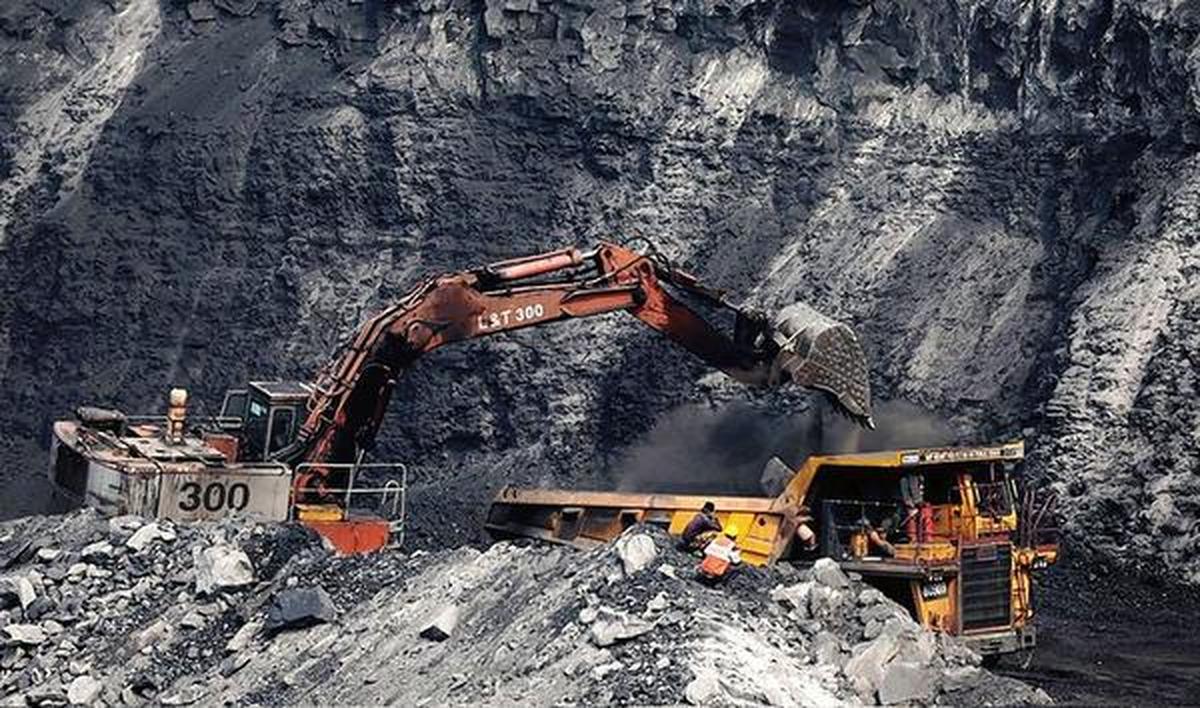
CREA’s analysis for Carbon Brief shows India’s coal power records zero growth between H1 2024 and H1 2026, described as the first such stagnation in over 50 years. The period shows electricity demand being increasingly met by new non-fossil generation, with solar power emerging as a key driver.
India’s Coal Power and Clean-Energy Transition:
| Dimension | Key Details |
|---|---|
| Coal status in electricity system | Coal remains a major source of electricity in India. |
| Coal-fired capacity addition | India adds approximately 8.5 GW of coal-fired capacity during H1 2024 to H1 2026. |
| Coal capacity under construction | Approximately 43 GW of coal capacity is under construction as of the end of June 2026. |
| Operational implication for coal plants | As renewable energy use grows, coal plants may need to operate more flexibly and reduce output when renewable generation is high. |
| Solar role | Solar power is the leading source of new clean electricity generation. |
| Solar generation change | Solar generation rises by 44 TWh from the first half of 2024 to the first half of 2026. |
| Solar capacity growth | Solar capacity grows by approximately 77 GW from the first half of 2024 to the first half of 2026. |
| Installed solar capacity (current figure) | Installed solar capacity reaches 164.59 GW as of 31 July 2026. |
| Installed solar capacity (comparison point) | Installed solar capacity is 2.8 GW in 2014. |
| Energy storage rationale | Energy storage is essential because renewable electricity is not always available during peak demand. |
| National Electricity Plan: storage requirement by 2026-27 | India’s National Electricity Plan projects a storage requirement of 82 GWh by 2026–27. |
| National Electricity Plan: storage requirement by 2031-32 | India’s National Electricity Plan projects a storage requirement of 411 GWh by 2031–32. |
| State-wise transition: Gujarat | Gujarat experiences the largest increase in clean-power generation and records the largest decline in fossil-fuel generation during H1 2024 to H1 2026. |
| State-wise transition: Rajasthan and Tamil Nadu | Rajasthan and Tamil Nadu report major increases in clean energy generation, and they record reductions in fossil-fuel generation. |
| State-wise transition: Maharashtra and Telangana | Maharashtra and Telangana record some of the largest increases in electricity demand, and additional clean generation almost matches this demand growth. |