|
Hubble Tension Explained
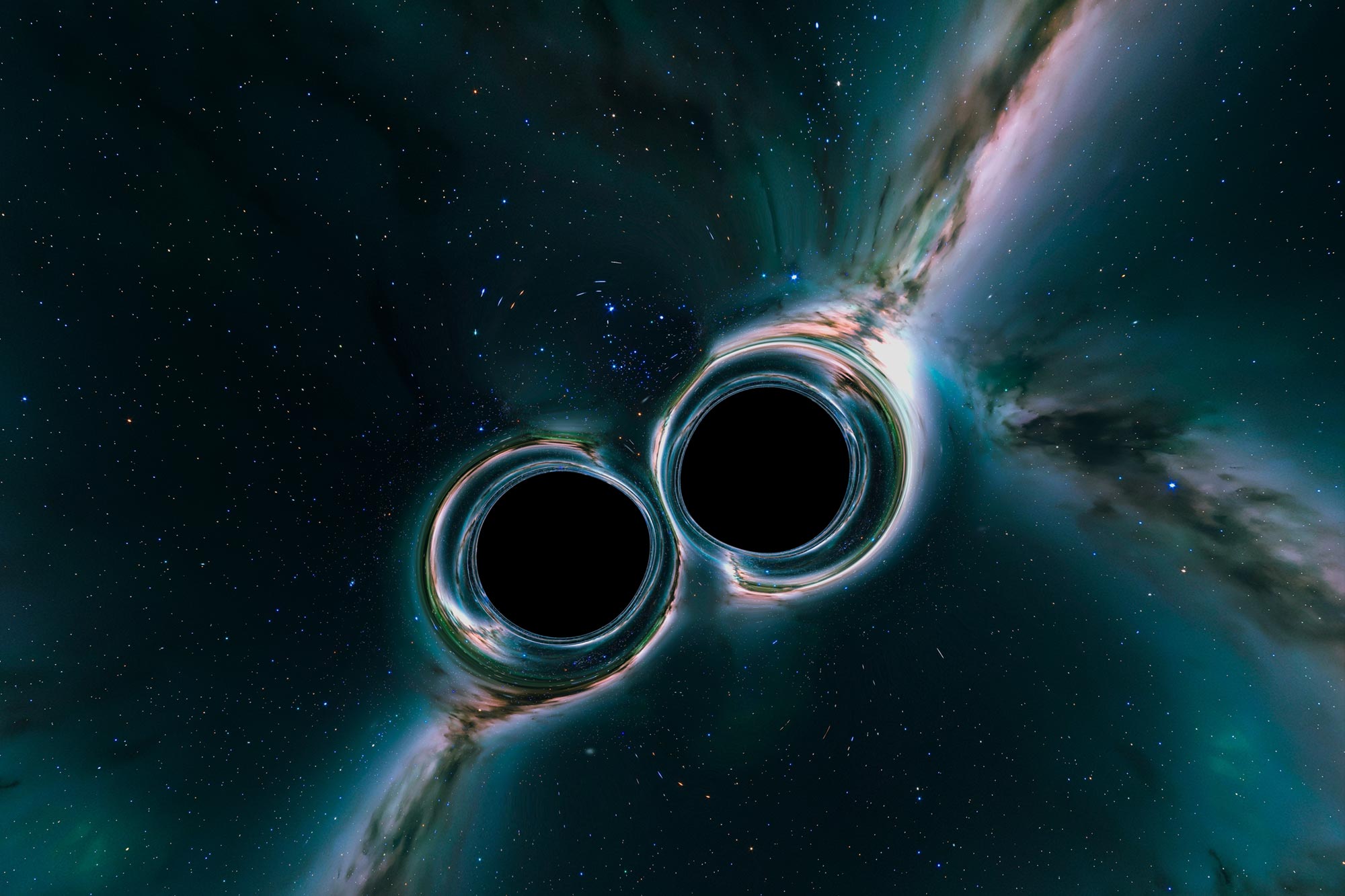
Astronomers have achieved a highly precise direct measurement of the Universe’s expansion rate, intensifying the Hubble tension problem. The findings highlight a persistent discrepancy between early- and late-Universe measurements.
Hubble Tension:
| Dimension | Key Details |
|---|---|
| Definition | Discrepancy between two independent methods of calculating the Hubble constant. |
| Hubble Constant | Rate at which galaxies move apart due to cosmic expansion. |
| Magnitude of Difference | ~ 9 % difference between measurements. |
| Statistical Significance | Provides for 5-sigma level indicating extremely low probability of measurement error. |
| Local Measurement Value | Expansion rate of 73.5 km per second per megaparsec using cosmic distance ladder. |
| CMB Measurement Value | Expansion rate of 67.4 km per second per megaparsec using early universe data. |
| Cosmic Epoch | Comprises late universe measurements versus early universe snapshot at 380000 years after Big Bang. |
| Measurement Methods | Direct observation using Cepheids and supernovae and model-dependent projection using CMB. |
| Key Instruments | Hubble Space Telescope and James Webb Space Telescope for local method and Planck satellite for CMB. |
| Standard Candles | Objects with known intrinsic brightness used to measure cosmic distances. |
| Cepheid Variables | Stars with luminosity linked to pulsation period. |
| Type Ia Supernovae | Exploding stars with nearly uniform peak brightness. |
| Redshift | Stretching of light to longer wavelengths from receding objects. |
| CMB | Oldest light in the universe representing early universe conditions. |
| ΛCDM Model | Comprises cosmological constant dark energy cold dark matter and ordinary matter. |
| Measurement Units | Comprises light year parsec and megaparsec used for cosmic distances. |
| Significance | Challenge to standard cosmological model requiring new physics or refined understanding. |