|
Global Multidimensional Poverty Index 2024
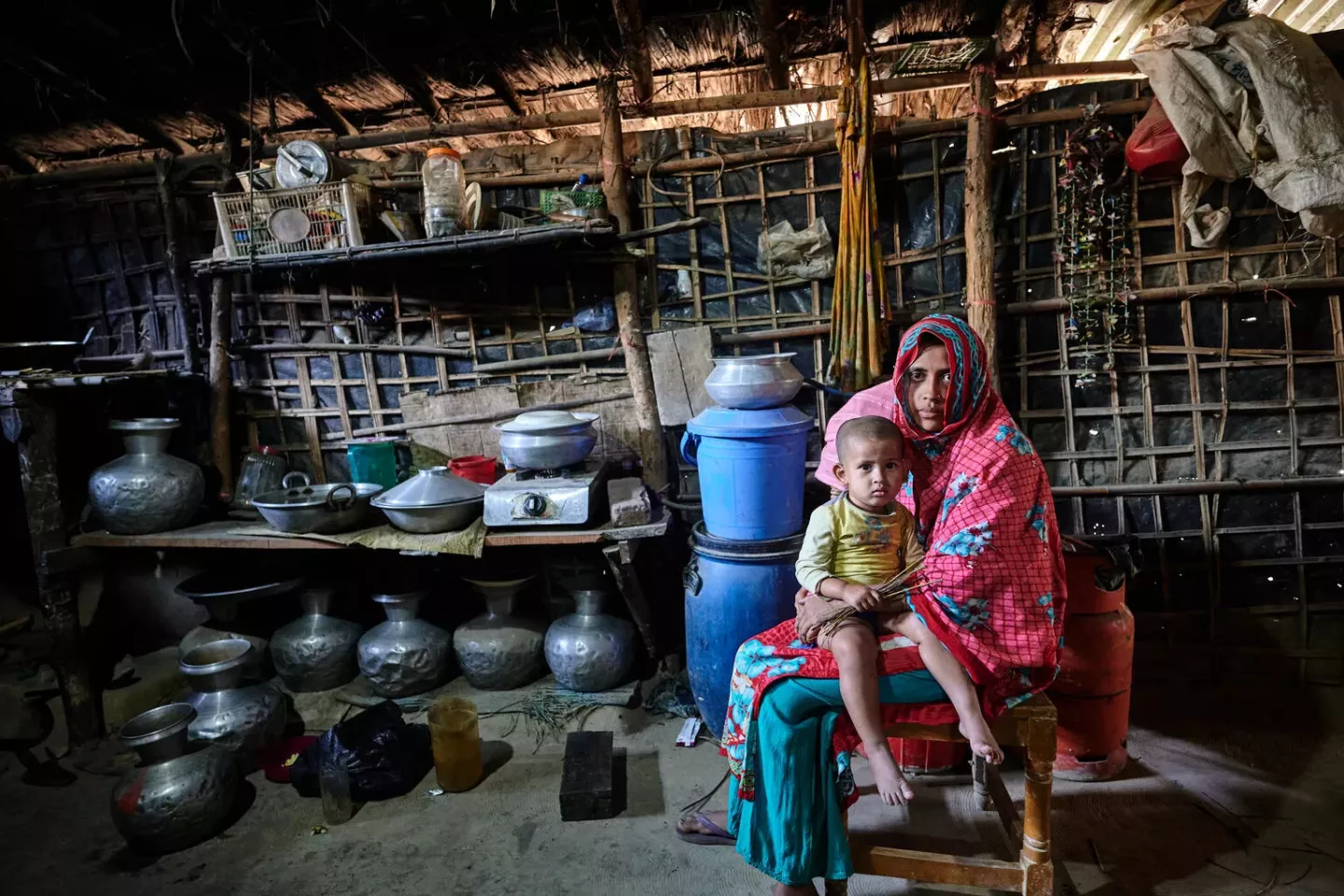
The most recent Global Multidimensional Poverty Index (MPI) reports that 238 million individuals in India are multidimensionally poor in 2024. The index presents updated cross-country estimates of poverty measured beyond income, using deprivations in health, education, and standard of living.
Global Multidimensional Poverty Index (MPI) 2024:
| Dimension | Key Details |
|---|---|
| Introduced | The Global Multidimensional Poverty Index (MPI) has been introduced in 2010. |
| Published by | The MPI is published by the United Nations Development Programme (UNDP) and the Oxford Poverty and Human Development Initiative (OPHI), University of Oxford. |
| Purpose | The MPI provides for measurement of poverty beyond income by identifying overlapping deprivations experienced by individuals and households. |
| Coverage | The MPI applies to 108 countries, representing 78% of the global population. |
| Approach | The MPI comprises multiple deprivations in health, education, and standard of living. |
| Poverty identification rule | The MPI mandates that a person is considered multidimensionally poor if they are deprived in at least one-third of the weighted MPI indicators. |
| Current India finding (2024) | The MPI provides for an estimate of 238 million individuals in India as multidimensionally poor in 2024. |
| Global finding cited in the report (2025) | The MPI provides for a finding that in 2025, 1.2 billion people worldwide have experienced multidimensional poverty, and an additional 51.5 million people have entered this category. |
| Key drivers of global multidimensional poverty | The report comprises the following drivers: population growth not keeping pace with poverty reduction in some regions; interconnected deprivations affecting nutrition, schooling, learning outcomes, and employment; inadequate basic services including limited access to clean water, sanitation, electricity, and healthcare; rural disadvantage with a significant proportion of multidimensionally poor people residing in rural areas. |
| Absolute numbers vs poverty rate | The report provides for the statement that an increase in the number of people living in poverty does not always indicate a higher poverty rate, and population growth can raise the absolute number even if the incidence of poverty declines. |
| India vulnerability estimate | The report comprises approximately 19% of India’s population as classified as vulnerable to multidimensional poverty. |
| India: contribution of standard of living | The report comprises the standard of living as accounting for approximately 40% of India’s multidimensional poverty. |
| India: standard of living deprivations listed | The report comprises lack of access to cooking fuel, sanitation, drinking water, housing, and assets as continuing development challenges. |
| India trend statements in the report | The report provides for the statements that India has made progress in reducing poverty and improving basic amenities, India has significantly reduced multidimensional poverty during the reporting period, and the total number of people living in poverty remains high due to India’s large population. |