|
EU Implements Carbon Border Adjustment Mechanism From January 1 on Carbon-Intensive Imports
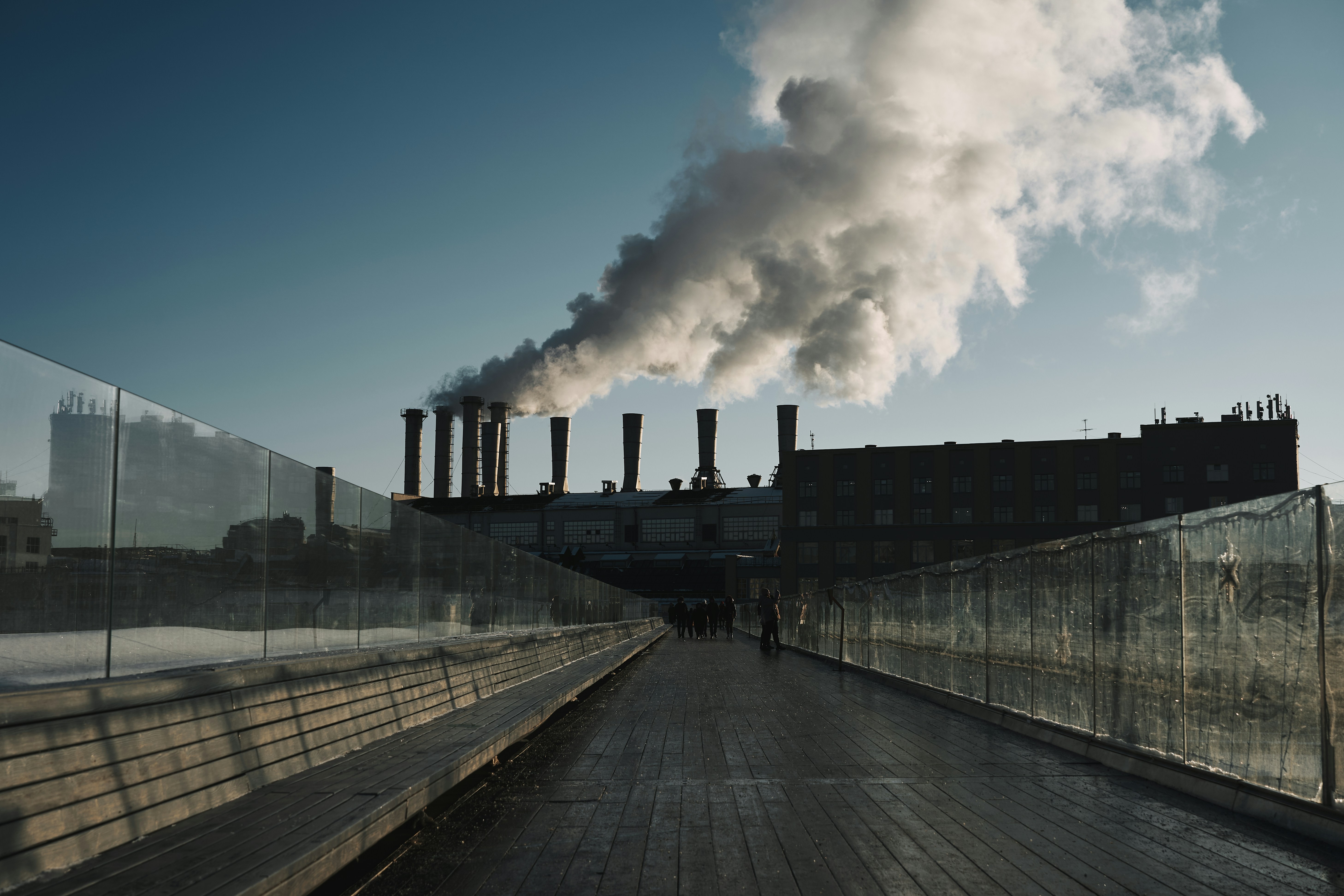
The European Union implements the Carbon Border Adjustment Mechanism (CBAM) from January 1, imposing a carbon-related levy on selected carbon-intensive imports entering the EU. The move is expected to impact India’s steel, iron and aluminium exports, and has drawn criticism and dispute actions from developing countries.
Carbon Border Adjustment Mechanism (CBAM) :
| Dimension | Key Details |
|---|---|
| Authority | Implemented by the European Union (EU) |
| Current trigger | EU begins implementing CBAM “carbon tax” from January 1 on selected carbon-intensive imports |
| Nature of measure | Provides for a carbon-related charge/levy on carbon-intensive imports entering the EU |
| Coverage | Applies to imports from: power sector; energy-intensive industries such as cement, steel, aluminium, oil refining, paper, glass, chemicals, and fertilisers |
| Targeting criterion | Applies to goods whose manufacturing processes generate significant carbon emissions |
| Country targeting criterion | Targets goods originating from countries with lower environmental standards than the EU |
| Provision on future expansion | EU lawmakers retain the power to expand the product list in future |
| EU’s stated rationale | Regulates to prevent “carbon leakage” and ensure fair competition by extending domestic environmental standards to imports |
| Developing countries’ concern (CBDR) | Criticism states CBAM violates the principle of Common But Differentiated Responsibilities (CBDR), recognised by the World Trade Organization (WTO) |
| CBDR - factors listed | Obligations must differ based on: level of development; historical contribution to environmental damage; capacity to respond |
| Impact on India | India’s exports to the EU are dominated by steel, iron and aluminium, making them vulnerable to CBAM-related costs |
| Global pushback / dispute | Russia formally launches a dispute against CBAM in May last year, joined by other developing nations |
| UNCTAD warning | UNCTAD warns CBAM could: hurt export-led development; reduce market access for poorer countries; worsen global trade inequalities, especially if countries with carbon taxes and greener production are exempted |
| Steelmaking routes for compliance | Indian steel exporters seek support to transition from blast furnace–basic oxygen furnace (BF–BOF) routes to electric arc furnaces (EAFs), which use steel scrap and are described as significantly cleaner |
| Emissions profile of steel routes | Highest emissions: BF–BOF; Moderate: gas-based direct reduced iron (DRI); Lowest: scrap-based EAF |
| Indian production profile | Indian steel production is largely dependent on the blast furnace route |
| CBAM cost applicability timeline | From January 1, 2026, every shipment of Indian steel and aluminium entering the EU will attract a carbon cost under CBAM |
| Estimated exporter response | Global Trade Research Initiative (GTRI) estimates exporters may need to cut prices by 15–22% to absorb the tax burden |
| MSME-related issues | GTRI warns MSMEs face high compliance, data, and verification costs and risk being priced out of the EU market |
| Data-related rule | In absence of verified emissions data, EU authorities may apply default (highest) emission values, increasing CBAM costs |
| Compliance cost reduction measure | Mutual Recognition Agreements (MRAs) could provide that an Indian certifying body’s emissions data is recognised by the EU |
| UK parallel measure | A similar carbon border regulation is expected to be implemented by the United Kingdom this year |
| EU position in trade talks | EU clarifies CBAM is not negotiable as it is framed as a climate, not trade, measure |
| India’s official position | Finance Minister Nirmala Sitharaman terms CBAM unilateral, arbitrary and a trade barrier; India formally conveys concerns to the EU |
| UNCTAD 2021 figure | UNCTAD study (2021) estimates CBAM would reduce global CO₂ emissions by 0.1% |