|
Cancer Cachexia Recast as Neuro-Metabolic Disorder
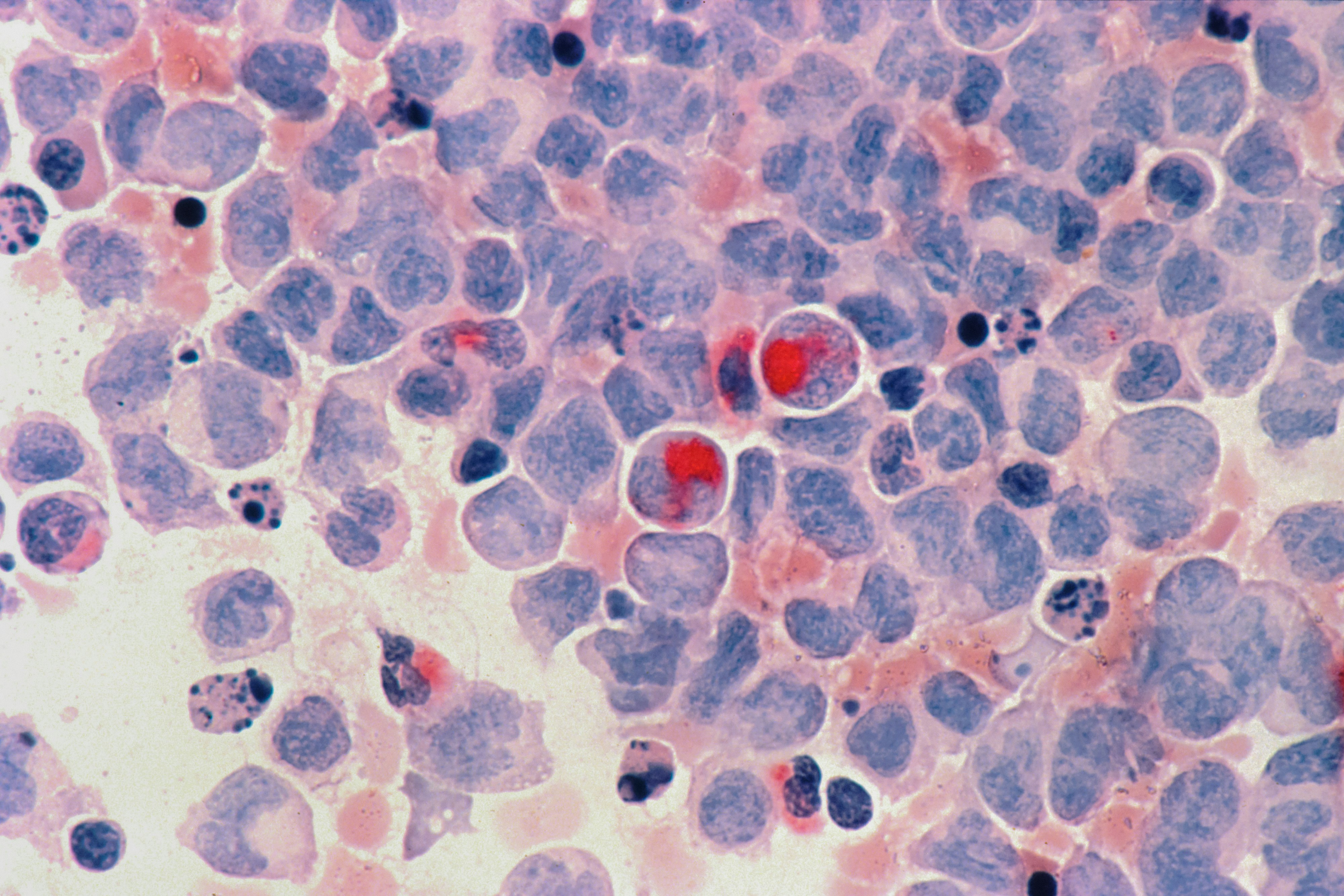
New research links cancer cachexia to disrupted brain–liver signalling through the vagus nerve, recasting cachexia as a neuro-metabolic disorder. The update is relevant due to the proposed mechanism involving tumour-driven inflammation, liver metabolic reprogramming, and experimental neuro-modulation/liver-directed therapy possibilities.
Cancer Cachexia :
| Dimension | Key Details |
|---|---|
| Definition | Complex, chronic metabolic syndrome associated with cancer. |
| Prevalence | 80% of patients with advanced cancers; accounts for a sizeable fraction of cancer deaths. |
| Distinction from starvation | Increased energy expenditure and metabolic breakdown of muscle and fat driven by tumour–host biology. |
| Symptoms | Comprises persistent loss of body weight; loss of appetite (anorexia); progressive muscle wasting and weakness; reduced response to chemotherapy and radiotherapy. |
| Tumour-driven inflammation | Regulates disruption of normal brain–liver nerve signalling through the vagus nerve. |
| Liver metabolic reprogramming | Altered neural signals that suppress HNF4α (a key regulator of liver metabolism), leading to appetite loss, systemic inflammation, and muscle wasting. |
| Progression stages | Early metabolic imbalance with appetite loss; progresses into liver metabolic dysfunction; systemic inflammation and muscle breakdown; advanced wasting with severe loss of weight and strength. |
| Diagnosis | Regular monitoring of body weight with assessment of muscle mass and strength; evaluation of appetite and nutritional status; metabolic and biochemical assessment. |
| Treatment approach | Emphasises early recognition and integrated, whole-patient care using combined strategies, including anti-inflammatory support, targeted nutrition, and feasible physical activity to preserve muscle and function. |
| New treatment possibilities | Explores neuromodulation to correct abnormal vagus nerve signalling and liver-targeted therapies restoring metabolic pathways, both shown in preclinical studies to reduce weight and muscle loss. |