|
Union Health Ministry Flags Hexavalent Vaccine for Universal Immunisation Programme
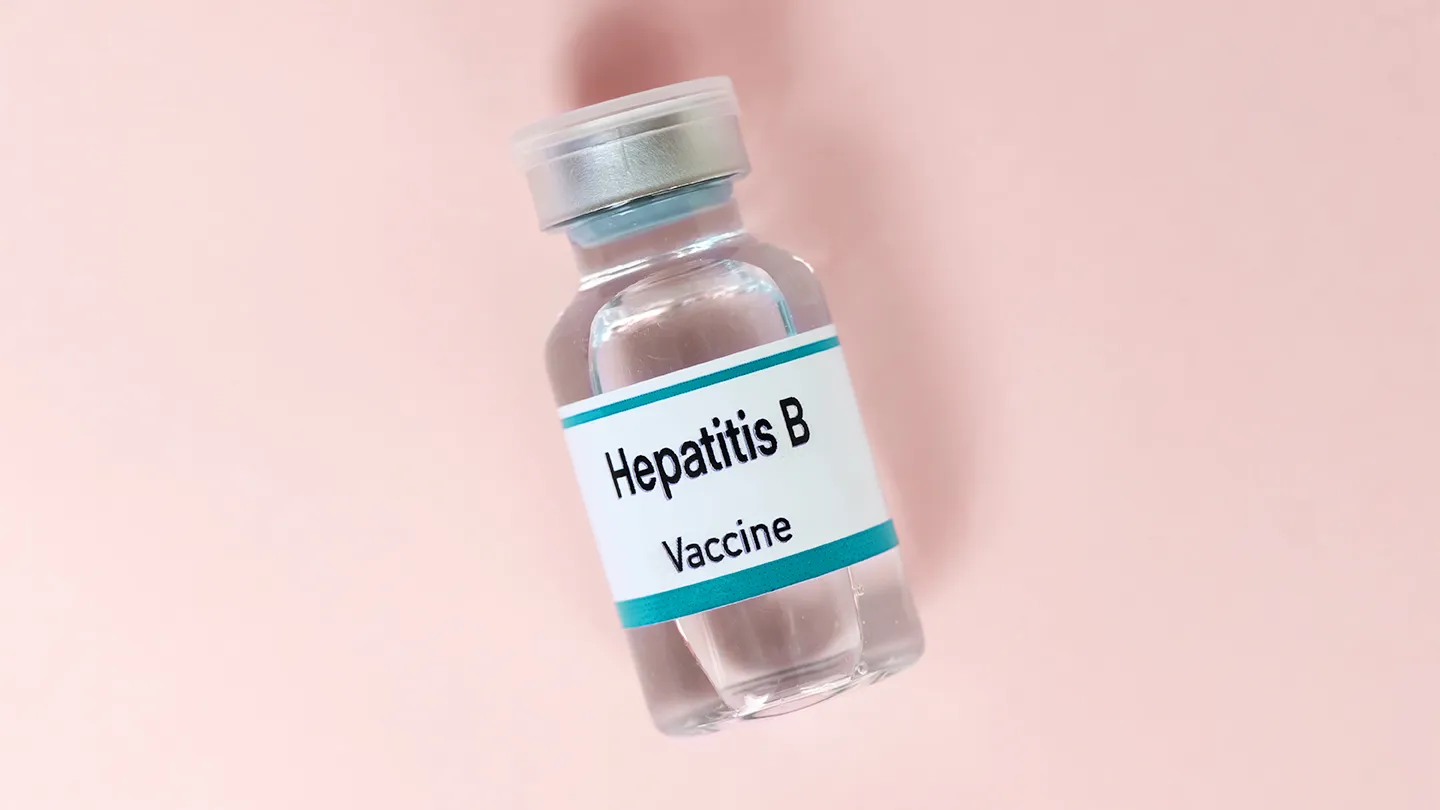
A study by the Union Health Ministry and partner organisations flags introducing a hexavalent vaccine under the Universal Immunisation Programme as a measure that reduces the number of injections for infants. The study presents efficiency, cost, and implementation scenario findings related to replacing existing vaccine schedules with a single six-in-one injection.
Hexavalent Vaccine under Universal Immunisation Programme:
| Dimension | Key Details |
|---|---|
| Vaccine type | A hexavalent (six-in-one) vaccine comprises a combination vaccine administered as a single injection for infants. |
| Disease coverage | The hexavalent vaccine comprises protection against: diphtheria, tetanus, pertussis (whooping cough), Hepatitis B, Haemophilus influenzae type b (Hib), and polio. |
| Efficiency finding | It is for an assessment of operational efficiency, including reduction in injections, time savings, and easing of frontline worker pressure. |
| Cost finding | The study provides for a finding that a 50% price reduction makes system-level savings outweigh higher procurement costs. |
| Operational impact finding | The study provides for impacts including fewer injections for infants, reduced caregiver burden, lower cold-chain requirements, and easier delivery for health workers. |
| Implementation scenarios | Scenarios: Primary schedule replaces pentavalent plus fractional IPV with hexavalent; Booster replaces the primary schedule plus DTP booster with a hexavalent booster. |