|
Union Cabinet Approves BHAVYA Scheme
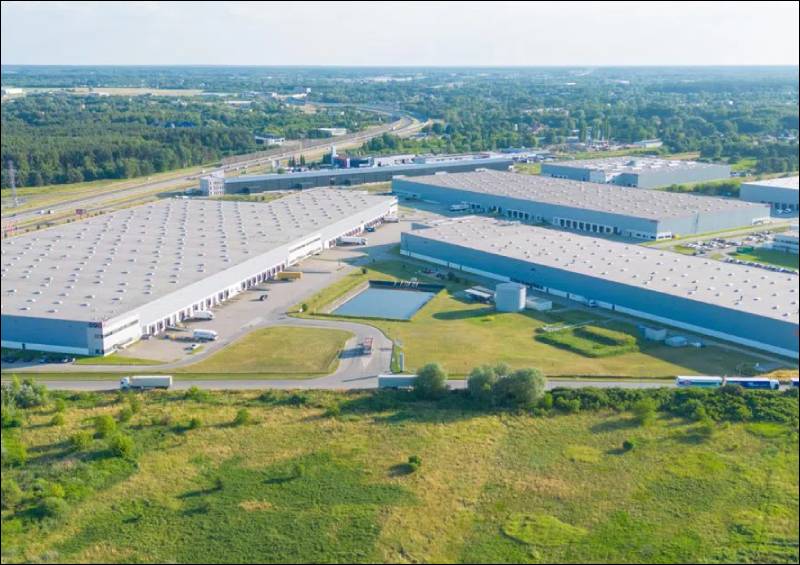
The Union Cabinet approved the BHAVYA Scheme to develop 100 plug and play industrial parks across India by 2032. The scheme focuses on boosting manufacturing infrastructure and attracting investments.
BHAVYA Scheme:
| Dimension | Key Details |
|---|---|
| Scheme Type | Central Sector Scheme implemented with state participation and public private partnership model |
| Launch | Launched in March 2026 |
| Nodal Ministry | Ministry of Commerce and Industry |
| Implementing Agency | National Industrial Corridor Development Corporation under Department for Promotion of Industry and Internal Trade |
| Duration | Operates for six years from financial year 2026 27 to 2031 32 |
| Purpose | Provides development of future ready plug and play industrial parks to support manufacturing and investment |
| Coverage | Applies across India with priority to eight industrial corridor projects under National Industrial Corridor Development Programme |
| Eligibility Criteria | Industrial parks selected based on land availability connectivity potential and industrial demand |
| Plug and Play Concept | Provides pre developed land infrastructure utilities and approvals enabling immediate industrial operations |
| Park Size | Ranges from 100 to 1000 acres with minimum 25 acres in hilly and north eastern regions |
| Financial Support | Provides up to one crore rupees per acre for core value added and social infrastructure |
| External Infrastructure | Provides support up to 25 percent of project cost |
| Project Selection | Projects selected through challenge mode based on reform oriented and investment ready proposals |
| Design Principles | Aligned with PM GatiShakti and includes green energy underground utility corridors and no dig environment |
| Ease of Doing Business | Provides single window clearance within sixty days |
| Sustainability Measures | Provides green compliance measures including solar energy and zero liquid discharge |
| Beneficiaries | Applies to manufacturing units MSMEs startups global investors and indirectly to workers logistics providers and local communities |