|
Tamil Nadu Governor R.N. Ravi Appointed West Bengal Governor by President
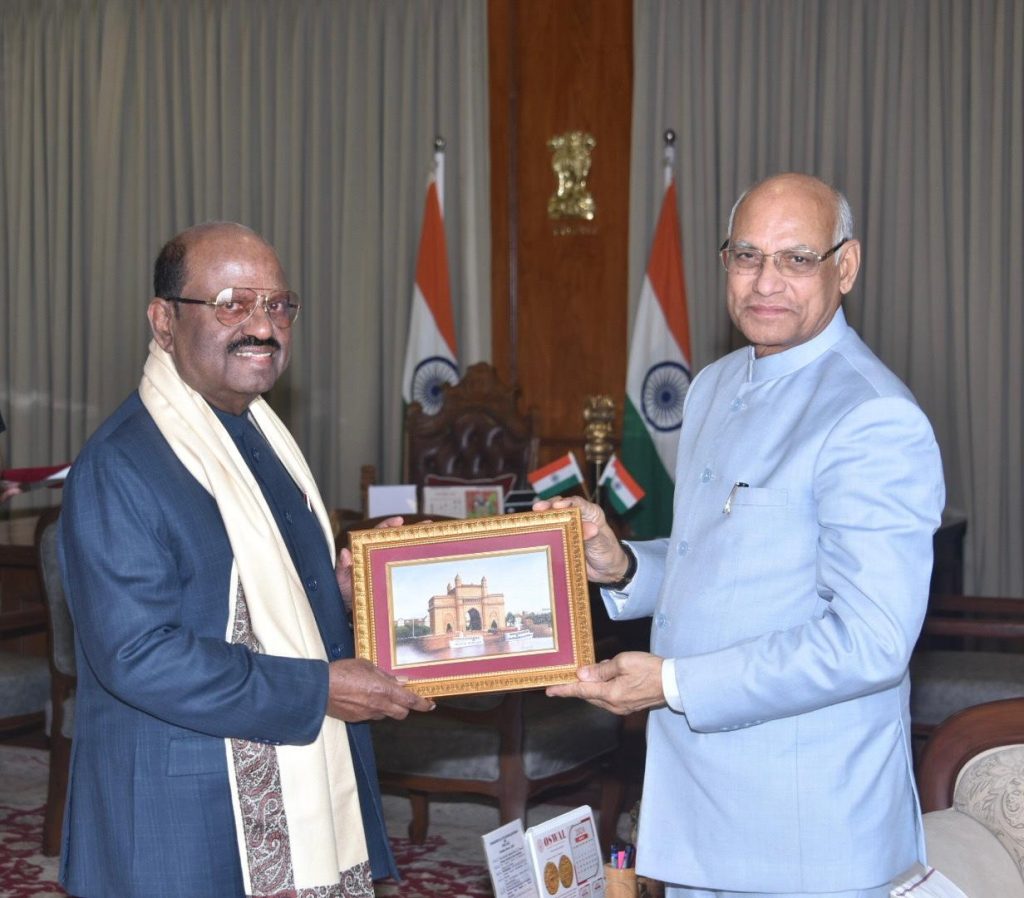
The President of India appointed Tamil Nadu Governor R. N. Ravi as the new Governor of West Bengal. The development highlights the constitutional role and appointment mechanism of Governors in India.
Governor of a State:
| Dimension | Key Details |
|---|---|
| Position | Nominal executive head of a state and an integral part of the state executive. |
| Appointment | Appointed by the President of India by warrant under his hand and seal. |
| Tenure | Normally five years but holds office at the pleasure of the President. |
| Removal | Removed by the President without assigning reasons and without any impeachment procedure. |
| Qualifications | Citizen of India at least 35 years of age and not holding any office of profit. |
| Legislative Membership Condition | Cannot be a member of Parliament or of a State Legislature. |
| Dual Role | Acts as constitutional head of the state and representative of the Union Government. |
| Article 153 | Provides that there shall be a Governor for each state. |
| Article 154 | Provides that the executive power of the state is vested in the Governor. |
| Article 155 | Provides for appointment of the Governor by the President. |
| Article 156 | Provides the tenure of the Governor. |
| Articles 157–158 | Provide qualifications and conditions of office of the Governor. |
| Article 159 | Provides oath or affirmation of office for the Governor. |
| Articles 160–162 | Provide contingencies powers and extent of executive authority of the Governor. |
| Articles 200–201 | Provide powers related to assent to bills and reservation of bills for the President’s consideration. |
| Article 213 | Provides power of the Governor to promulgate ordinances when the legislature is not in session. |
| Executive Functions | Appoints the Chief Minister and Council of Ministers and ensures administration in accordance with the Constitution. |
| Legislative Functions | Summons prorogues and dissolves the Legislative Assembly and provides assent to bills or reserves them for the President. |
| Judicial Power | Provides power to grant pardons reprieves respites or commutations under Article 161. |
| Discretionary Role | Applies in situations such as hung assemblies constitutional breakdown or reservation of bills for the President. |
| Sarkaria Commission | Recommended appointment of eminent persons and consultation with the Chief Minister before appointment. |
| Punchhi Commission | Recommended fixed tenure and limitation of discretionary powers of the Governor. |
| Rajamannar Committee | Recommended reduction of Union interference through the office of Governor. |
| Key Supreme Court Judgments | Includes SR Bommai case on limits of recommending President’s Rule and Nabam Rebia case restricting interference in legislative matters. |