|
Rajya Sabha Elections
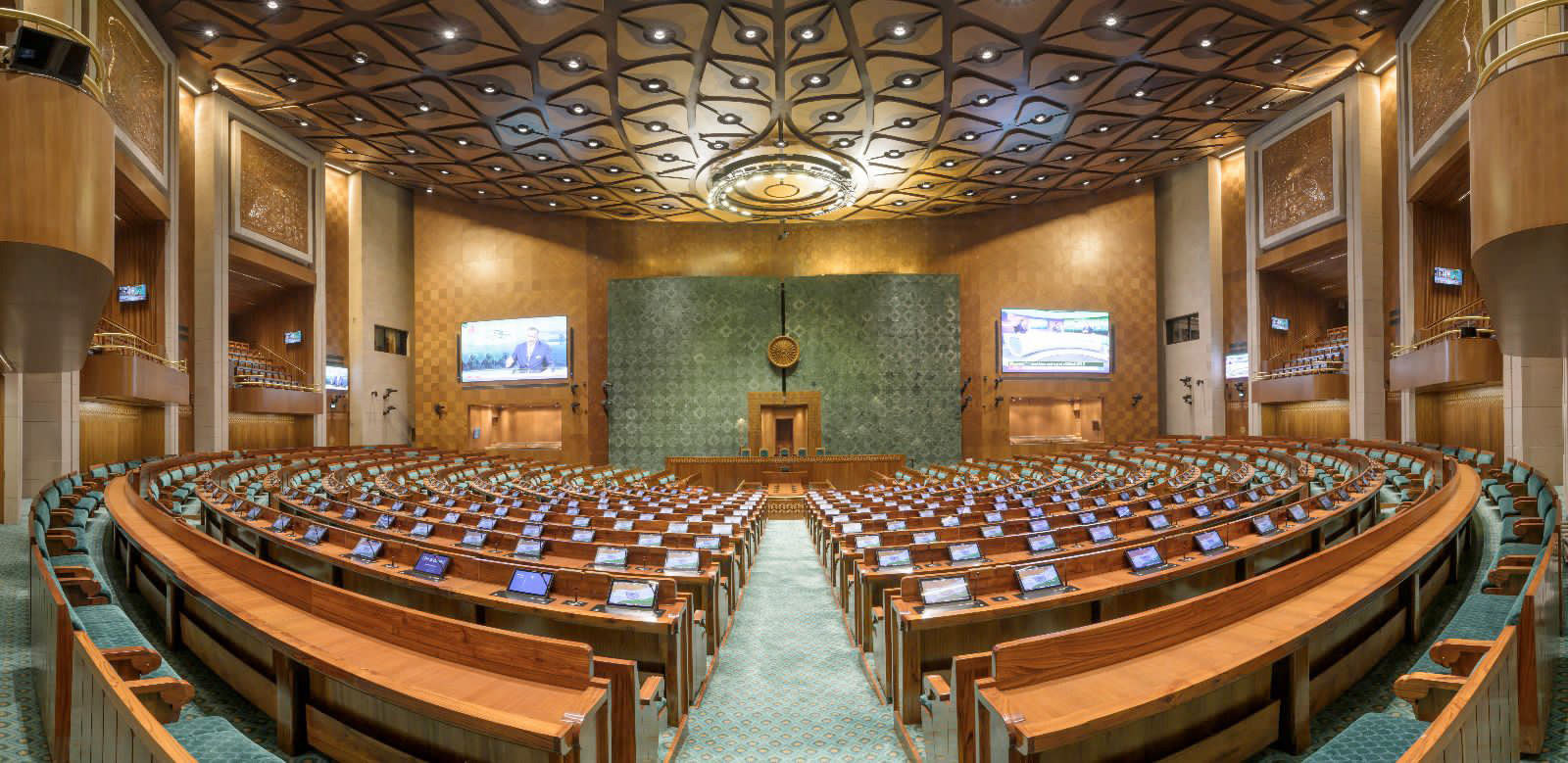
The Chairman of the Rajya Sabha administers oath or affirmation to 19 newly elected or re-elected members. The process highlights constitutional provisions governing membership and functioning of the Upper House.
Rajya Sabha:
| Dimension | Key Details |
|---|---|
| Election Method | Is conducted indirectly by elected members of State Legislative Assemblies under Article 80. |
| System of Election | Provides for proportional representation through Single Transferable Vote. |
| Eligibility | Provides for citizenship of India, minimum age of 30 years, and being an elector for a parliamentary constituency. |
| Chairman | Is the Vice-President of India serving as ex-officio Chairman under Article 89. |
| Maximum Strength | Provides for 250 members including 238 elected and 12 nominated. |
| Present Strength | Provides for 245 members including 233 representing states and union territories and 12 nominated by the President. |
| Union Territory Representation | Comprises Delhi with 3 seats, Puducherry with 1 seat, and Jammu and Kashmir with 4 seats. |
| Term | Provides for a permanent body with one-third members retiring every 2 years and each member serving a 6-year term. |
| Casual Vacancies | Provides for filling through bye-elections with the new member serving the remainder of the term. |
| Seat Allocation | Provides for allocation based on population as per the Fourth Schedule of the Constitution. |
| Oath Authority | Provides for administration of oath by the President or a person appointed by them, usually delegated to the Chairman. |
| Oath Provision | Is governed by Article 99 and the Third Schedule requiring allegiance to the Constitution and faithful discharge of duties. |
| Language of Oath | Provides for oath in English or any of the 22 languages listed in the Eighth Schedule. |
| Restriction Before Oath | Provides for prohibition on sitting, participating, or voting and penalty of ₹500 per day under Article 104. |