|
PRASHAD Scheme Funding Model
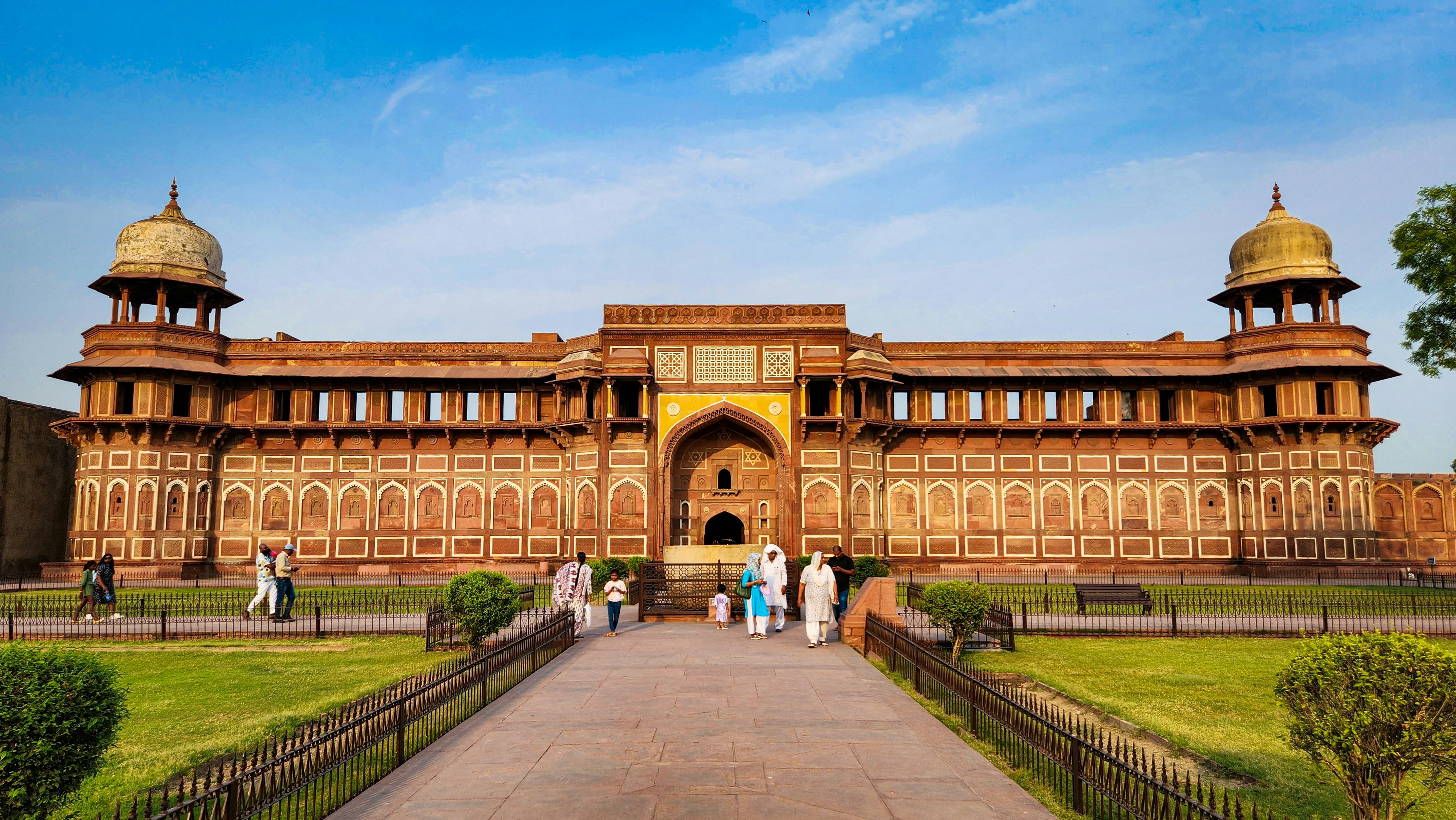
Centre plans temple tourism development in Andhra Pradesh under the PRASHAD Scheme. The PRASHAD Scheme is a central flagship initiative launched by the Ministry of Tourism to transform pilgrimage and heritage sites into world-class destinations.
PRASHAD Scheme (Pilgrimage Rejuvenation and Spiritual, Heritage Augmentation Drive):
| Dimension | Key Details |
|---|---|
| Full form | Provides for “Pilgrimage Rejuvenation and Spiritual, Heritage Augmentation Drive” (PRASHAD). |
| Nature | Comprises a central flagship initiative to transform India’s pilgrimage and heritage sites into world-class destinations. |
| Launched by | Governed by the Ministry of Tourism. |
| Focus | Provides for a holistic tourist experience beyond simple beautification. |
| Infrastructure | Developing high-quality roads, public transport, and last-mile connectivity. |
| Amenities | Building tourist facilitation centers, hygienic restrooms, waiting halls, and illumination. |
| Economic growth | Provides for boosting local employment by promoting traditional arts, crafts, and cuisines. |
| Sustainability | Mandates eco-friendly construction, waste management, and preservation of the site’s religious and historical essence. |
| Funding pattern | Provides for 100% central funding for eligible project components, covering the entire cost by the Government of India. |
| CSR and PPP | Encourages contributions through Corporate Social Responsibility (CSR) and Public-Private Partnerships (PPP) for long-term maintenance. |
| Implementation agency | Authorises implementation by respective State Governments or Union Territory administrations through designated agencies. |