|
NSO Releases First National Household Travel Survey Indicators
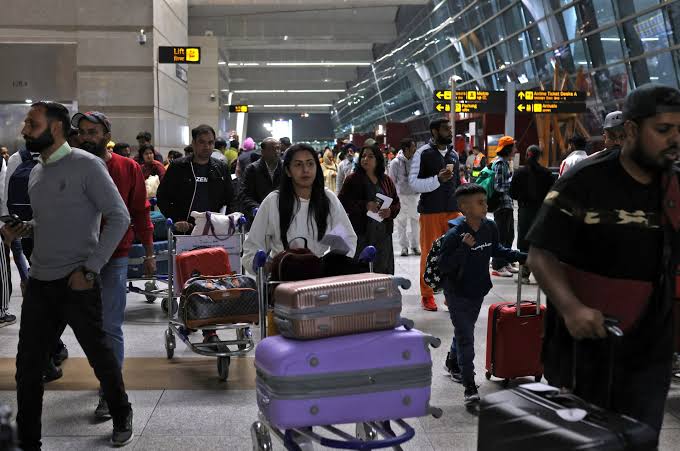
The National Statistics Office (NSO) releases key indicators and findings from the first-ever National Household Travel Survey (NHTS). The release provides official data on domestic travel patterns, modes of transport, and travel duration and distance for policy and planning use.
National Household Travel Survey:
| Dimension | Key Details |
|---|---|
| Primary objectives | It generates robust, data-driven insights into domestic travel patterns and dynamics to support regional transport planning, infrastructure development, and evidence-based policy formulation. |
| Purpose of travel | Purpose of travel comprises employment, education, social engagements, cultural and leisure activities, tourism, domestic work, caregiving, and other purposes. |
| Mode of transport | Mode of transport covers modes of transportation used by different demographic groups for undertaking trips. |
| Travel duration and distance | Travel duration and distance cover average time taken and distances travelled during trips. |
| Major finding: student mobility | Students in the 15-29 age group record the highest regular trip participation for daily travel to educational institutions, at 79.1% in rural India and 73.3% in urban India. |
| Major finding: workforce mobility | Male workers record a higher share of daily work trips of more than 1 km at 61.9%, compared with 41.9% among female workers nationwide. |
| Major finding: commuting costs | The average monthly expenditure on commuting to a fixed workplace stands at ₹785 per worker; urban workers incur ₹1,044 compared with ₹612 for rural workers. |